
Shopping cart,
0 products
There are no products in your shopping cart.
Location: Dong Van Karst Plateau UNESCO Global Geopark
Nearby landmark: Ma Pi Leng Pass
River: Nho Que River
Depth: Approximately 700–800 meters
Landscape: Limestone cliffs and river gorge
Popular experience: Nho Que River boat trip
Recommended Loop duration: Three to four days
Travel options: Easy Rider, self-riding, Jeep, or private tour
Best-known seasons: Spring and autumn
UNESCO status: Part of a UNESCO Global Geopark
UNESCO identifies the gorge as one of the most important geological features within the wider geopark.
The attraction is especially memorable because travelers can experience it two completely different elevations.
First, they look down the mountains.
Later, they can look upward the river.
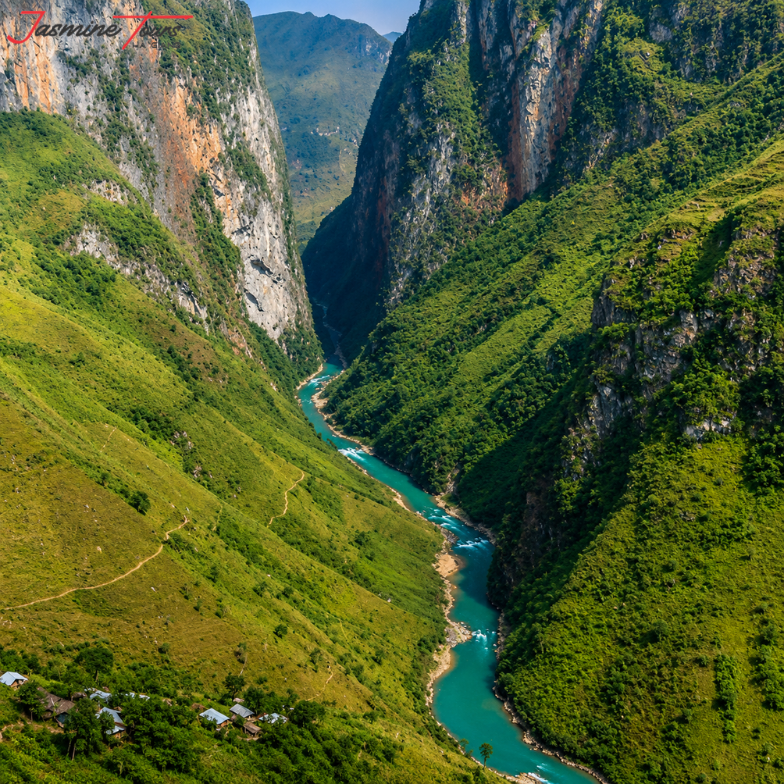
The first thing visitors notice is scale.
The cliffs do not simply rise beside the river.
They seem to close around it.
the water, limestone walls tower overhead like enormous gates built by geological time.
UNESCO records the gorge at approximately 700–800 meters deep. It describes it as one of Southeast Asia's deepest canyons.
This careful wording is important.
Some travel websites describe it as the absolute deepest gorge in Southeast Asia.
For accurate travel information, the UNESCO description is more reliable.
The surrounding geology is equally extraordinary.
Dong Van Karst Plateau contains formations representing more than 550 million years of Earth history.
Long before motorbikes crossed these mountains, water was already reshaping them.
Rain entered cracks.
Rivers carved valleys.
Limestone slowly dissolved.
Time became the invisible sculptor.
What travelers see today is one frame a geological story still continuing.
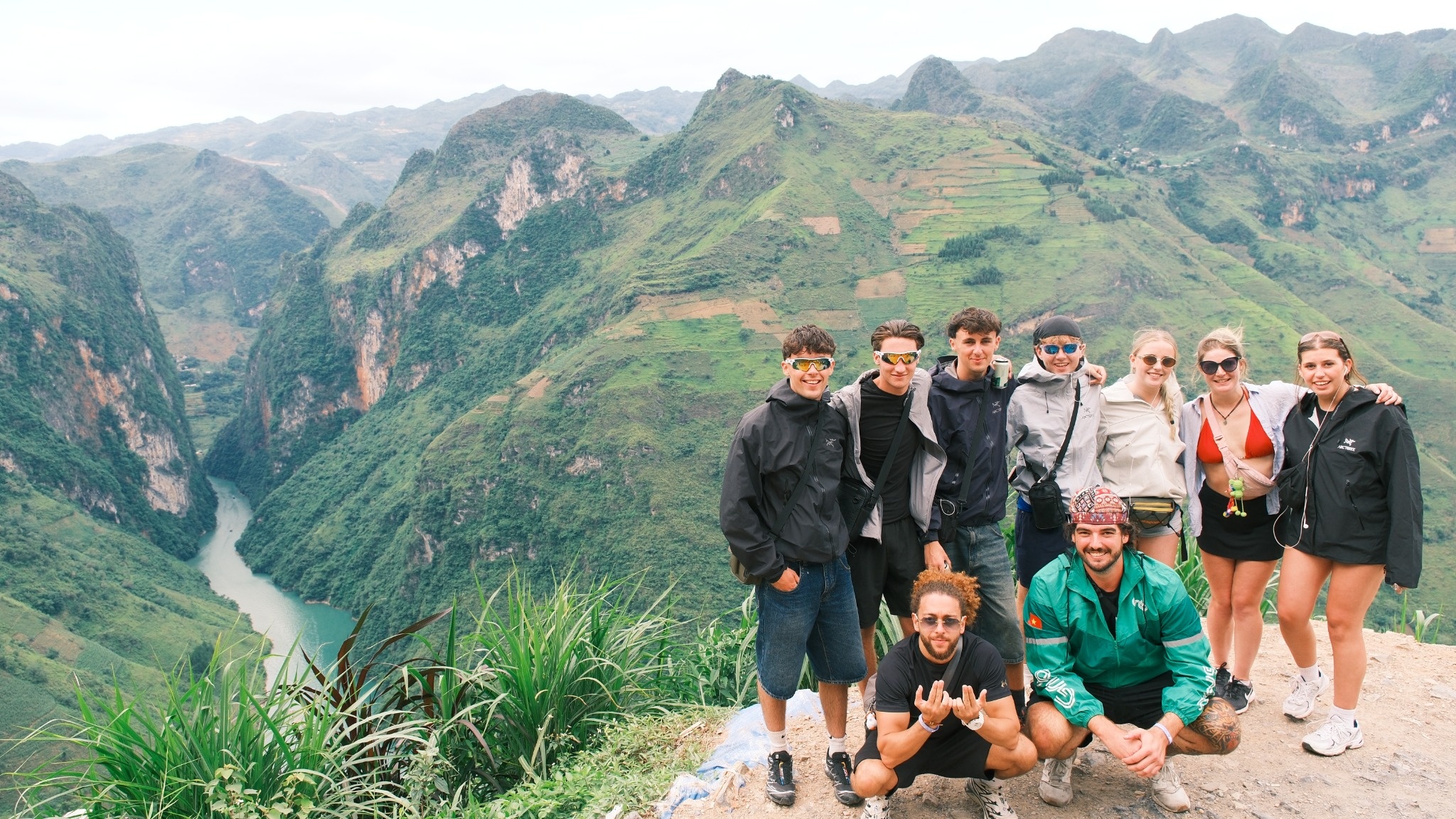
Ma Pi Leng Pass provides the classic panoramic perspective.
The road climbs through dramatic limestone mountains between Dong Van and Meo Vac.
UNESCO notes that the pass reaches around 1,200 meters and overlooks deep canyons and the Nho Que River.
On clear days, layers of mountains stretch far across the horizon.
The river curves far below.
Cloud shadows move across the cliffs like waves.
Photography here can be spectacular.
However, travelers should use established stopping areas.
Mountain roads contain blind bends and changing traffic conditions.
Never stop directly in a traffic lane for a photograph.
Fog can also arrive quickly.
A clear viewpoint can disappear behind cloud within minutes.
That unpredictability is part of the mountain atmosphere.
Some days offer endless views.
Others reveal the landscape slowly.
The landscape changes throughout the year.
Spring often brings softer temperatures and fresh vegetation.
Mountains begin shifting winter grey toward deeper green.
Summer produces some of the richest colors.
Rain feeds streams and vegetation across the highlands.
Vietnam Tourism notes that early monsoon conditions can increase water volume around June.
However, summer rain can also affect visibility and road conditions.
Autumn is especially popular.
Cooler temperatures can make longer days on the road more comfortable.
October and November also bring buckwheat flowers across parts of the Dong Van region.
Winter creates another atmosphere.
Mist can settle between peaks.
Temperatures become colder.
The landscape often feels quieter.
There is no guaranteed perfect season.
Weather in mountainous northern Vietnam can change quickly.
Always check current forecasts before traveling.
This landscape usually appears during the Dong Van and Meo Vac section.
A typical extended route can follow:
Ha Giang → Quan Ba → Yen Minh → Tham Ma Pass → Dong Van → Ma Pi Leng Pass → Nho Que River → Meo Vac → Du Gia
Vietnam Tourism includes the canyon among the major attractions of a northern Vietnam motorbike journey.
Three days can cover many famous highlights.
Four days usually creates a slower experience.
That extra time can matter more than travelers expect.
Mountain weather may delay a viewpoint.
A village may deserve another hour.
A quiet road may become the strongest memory of the trip.
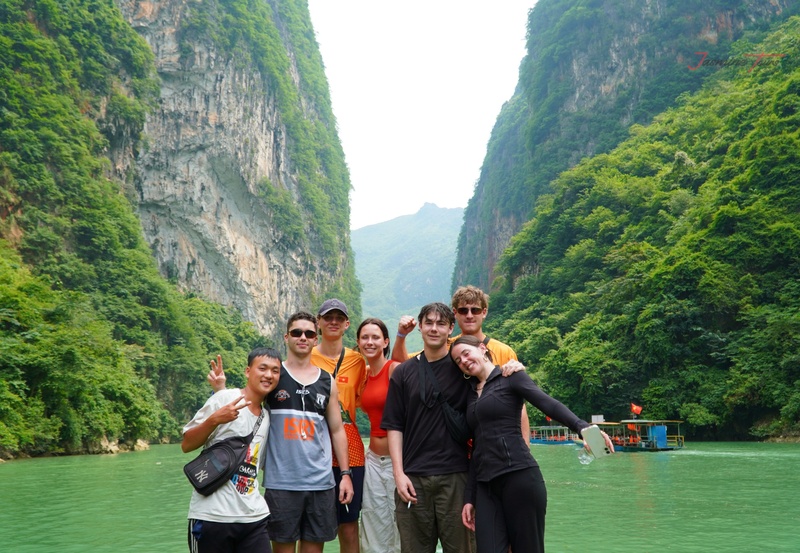
Jasmine Tours includes the Nho Que River experience within several Ha Giang Loop itineraries.
The goal should not be collecting attractions.
The goal should be experiencing the road between them.
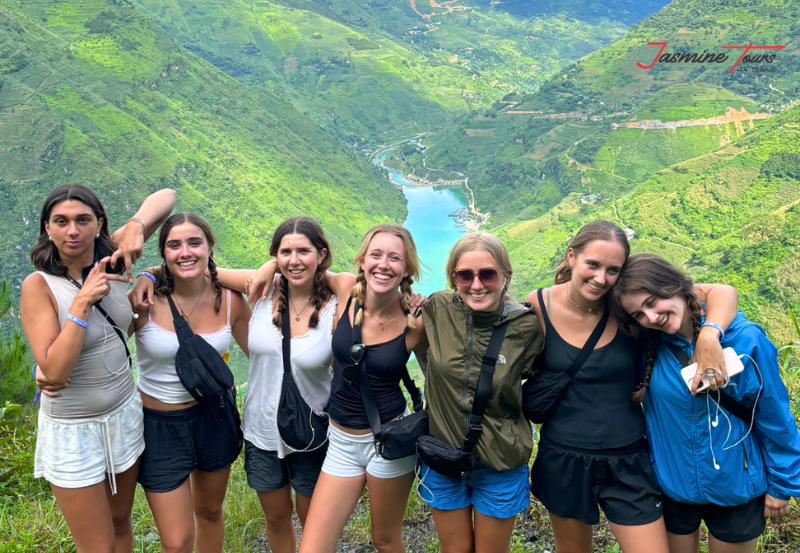
Each option creates a different journey.
An Easy Rider suits travelers who want to focus on scenery rather than controlling a motorcycle.
Local drivers handle the mountain road while passengers experience the surroundings.
Vietnam Tourism advises inexperienced travelers to consider local drivers on the challenging roads of Ha Giang.
Self-riding offers more independence.
However, these roads demand real riding experience.
Sharp bends, steep gradients, livestock, rain, fog, and changing surfaces can increase risk.
Self-riders should confirm current licence, insurance, and legal requirements before departure.
Renting a motorcycle does not automatically mean someone is legally permitted to ride it.
A Jeep provides another option.
It offers greater weather protection and less physical demand than a motorcycle journey.
This can suit families, photographers, couples, and travelers who simply prefer four wheels.
Jasmine Tours currently offers Easy Rider, self-riding, Jeep, and private travel styles.
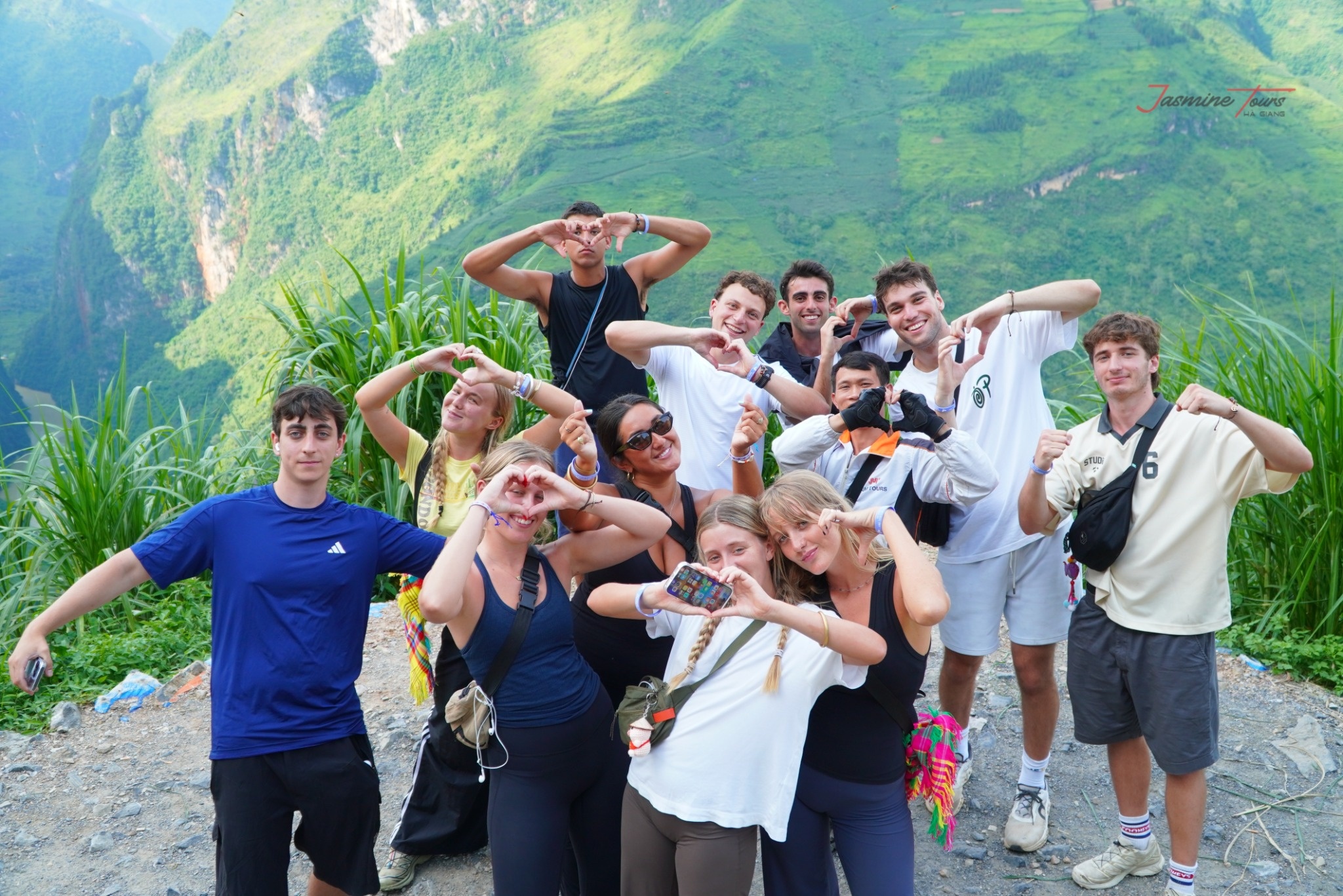
Ancient landscapes can inspire modern responsibility.
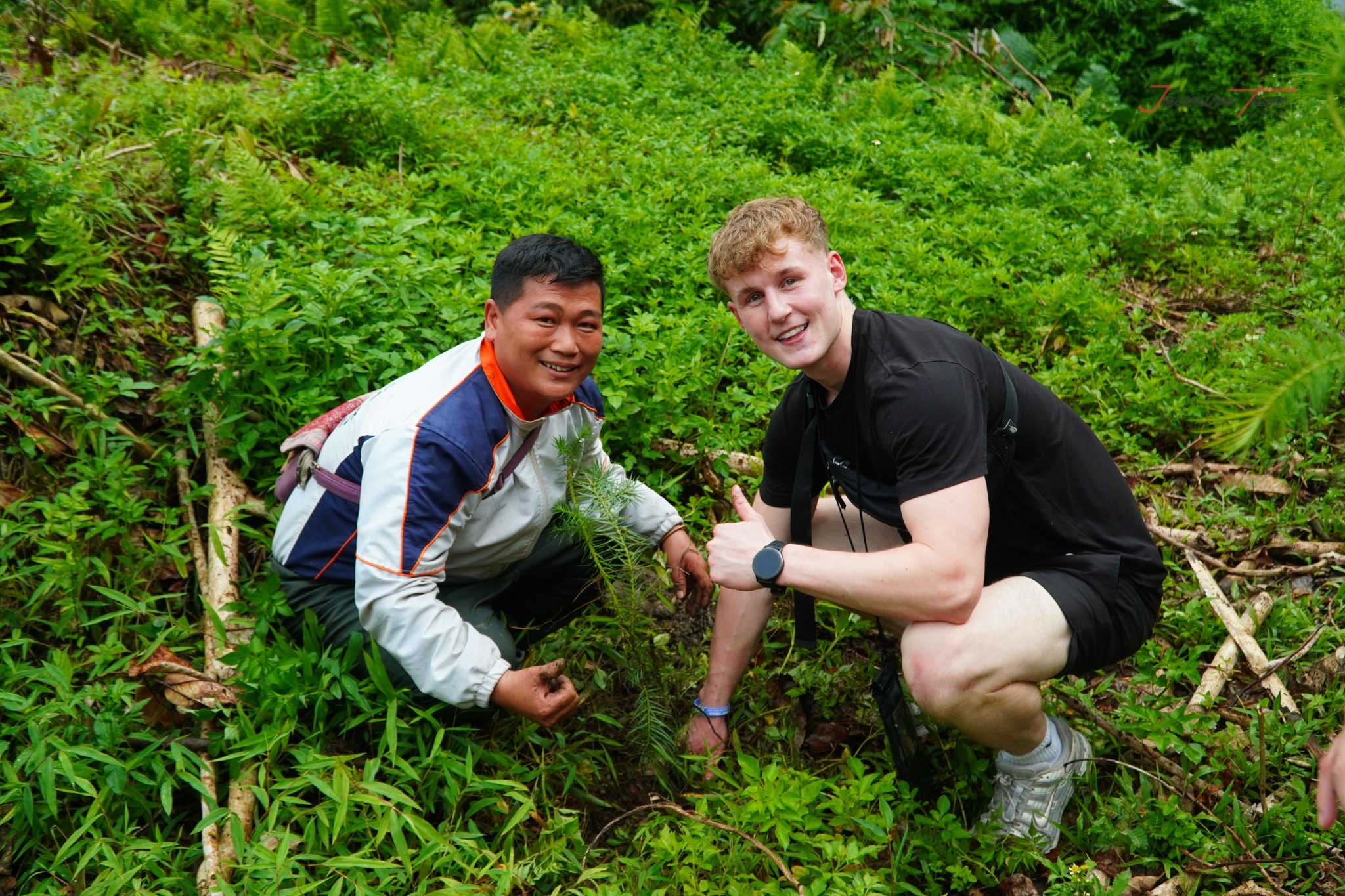
Jasmine Tours created Plant Today – Green Tomorrow to connect travel with environmental action.
During selected experiences, travelers can plant young trees in designated areas with local Easy Riders and communities.
The project encourages visitors to leave something positive behind.
A young tree looks fragile beside these mountains.
The limestone has survived hundreds of millions of years.
The seedling has only just begun.
Yet both belong to the same future landscape.
Jasmine Tours describes the initiative as a community-based tree planting project connected with greener tourism.
Travel memories eventually become photographs and stories.
A planted tree can continue growing after the traveler has gone home.
That makes a simple action feel surprisingly permanent.
Tu San Canyon leaves a very different impression an ordinary viewpoint.
Ma Pi Leng Pass, the gorge appears enormous but distant.
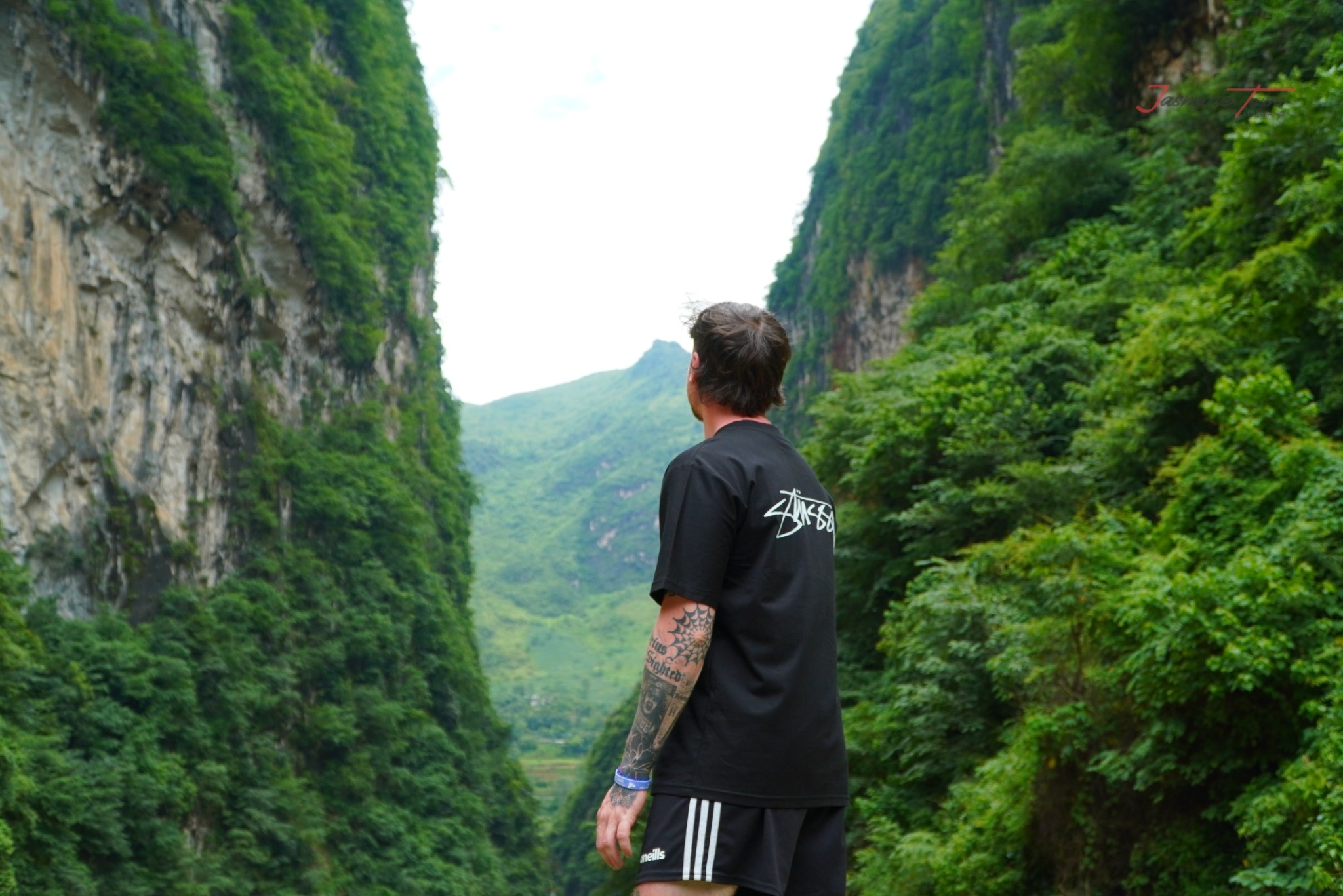
the Nho Que River, its limestone walls seem to rise directly the water.
That change in scale is what makes the experience unforgettable.
The geological story adds another layer.
These cliffs belong to a UNESCO Global Geopark shaped across hundreds of millions of years.
With Jasmine Tours, travelers can combine the river with mountain roads, Easy Riders, cultural stops, and responsible travel experiences.
Do not rush this part of the Loop.
Look down the pass.
Then look upward the river.
Between those two perspectives, the mountains reveal their true scale.
Sometimes the most powerful places do not need to say anything.
They simply make us quiet.
There is 0 comment, review about Tu San Canyon : Complete Nho Que River Travel Guide
TVQuản trị viênQuản trị viên
Xin chào quý khách. Quý khách hãy để lại bình luận, chúng tôi sẽ phản hồi sớm