
Shopping cart,
0 products
There are no products in your shopping cart.
While Ha Noi buzzes with the rhythm of modern life, Cao Bang offers the opposite: peace, purity, and raw natural wonder. Traveling Ha Noi - Cao Bang means leaving behind the chaos of the capital and entering a world of winding passes, terraced fields, and quiet ethnic villages.
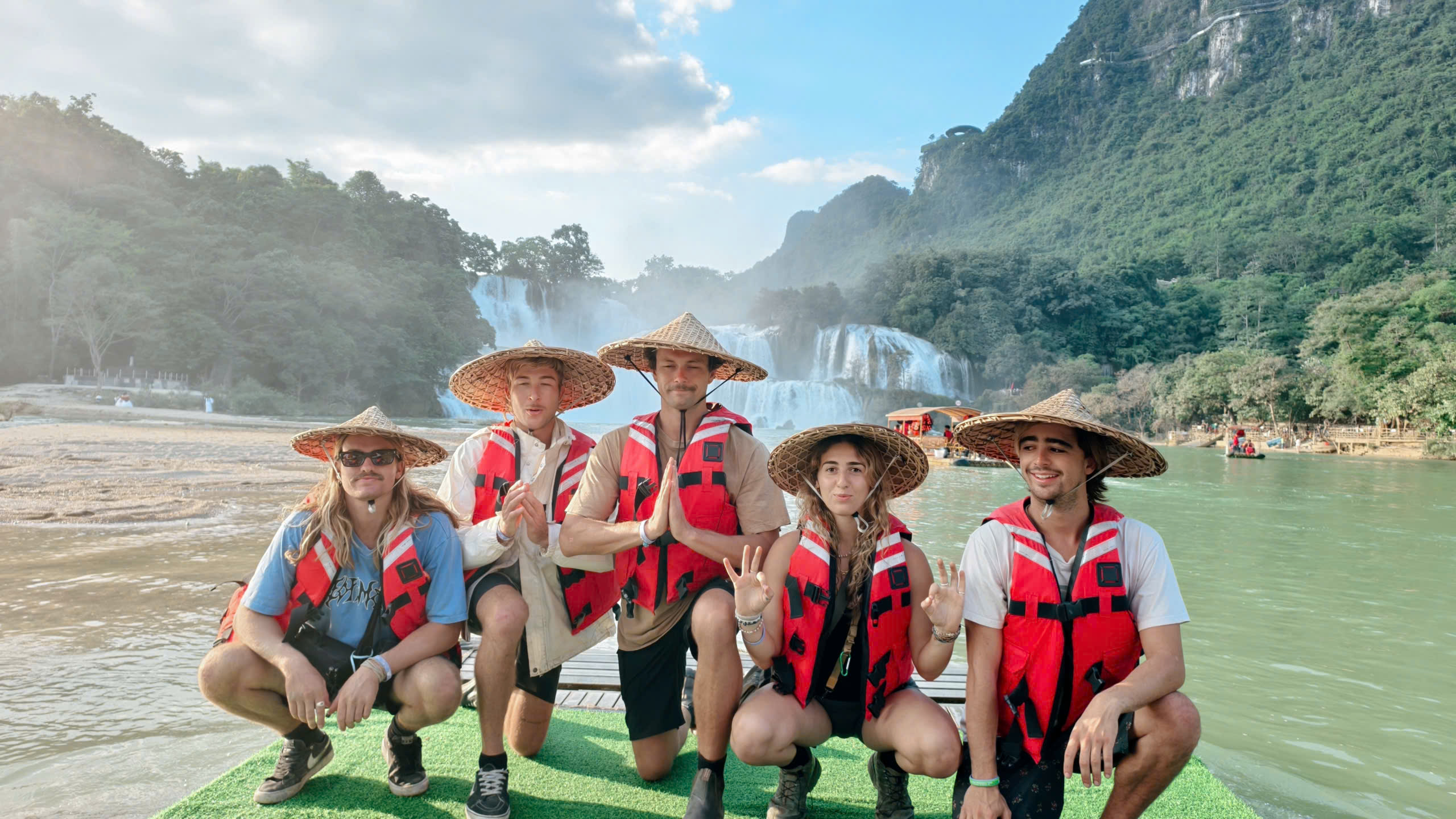
Here, time slows down. You’ll see children herding buffaloes, women weaving hemp by the roadside, and clouds floating low over the green mountains. It’s the perfect escape for adventurers, photographers, and anyone seeking authentic Vietnamese culture.
There are several ways to travel Ha Noi - Cao Bang, depending on your budget and style of travel:
Duration: 6–8 hours
Cost: Around 350,000 – 500,000 VND per person
Departure points: My Dinh, Gia Lam, or Nuoc Ngam bus stations in Ha Noi
Luxury limousines and sleeper buses depart daily, often in the evening, allowing you to rest overnight and arrive in Cao Bang early the next morning. This is the most convenient and affordable option for most travelers.
.jpg)
For those craving freedom, driving Ha Noi - Cao Bang on your own is pure adventure. The journey covers about 280 km, winding through peaceful towns like Thai Nguyen and Bac Kan before reaching the limestone valleys of Cao Bang.
Travel time: 7–9 hours
Recommended route: Ha Noi → Thai Nguyen → Bac Kan → Cao Bang
Along the way, stop for photos at Ba Be Lake, the Ban Gioc scenic route, or a roadside café overlooking misty hills.
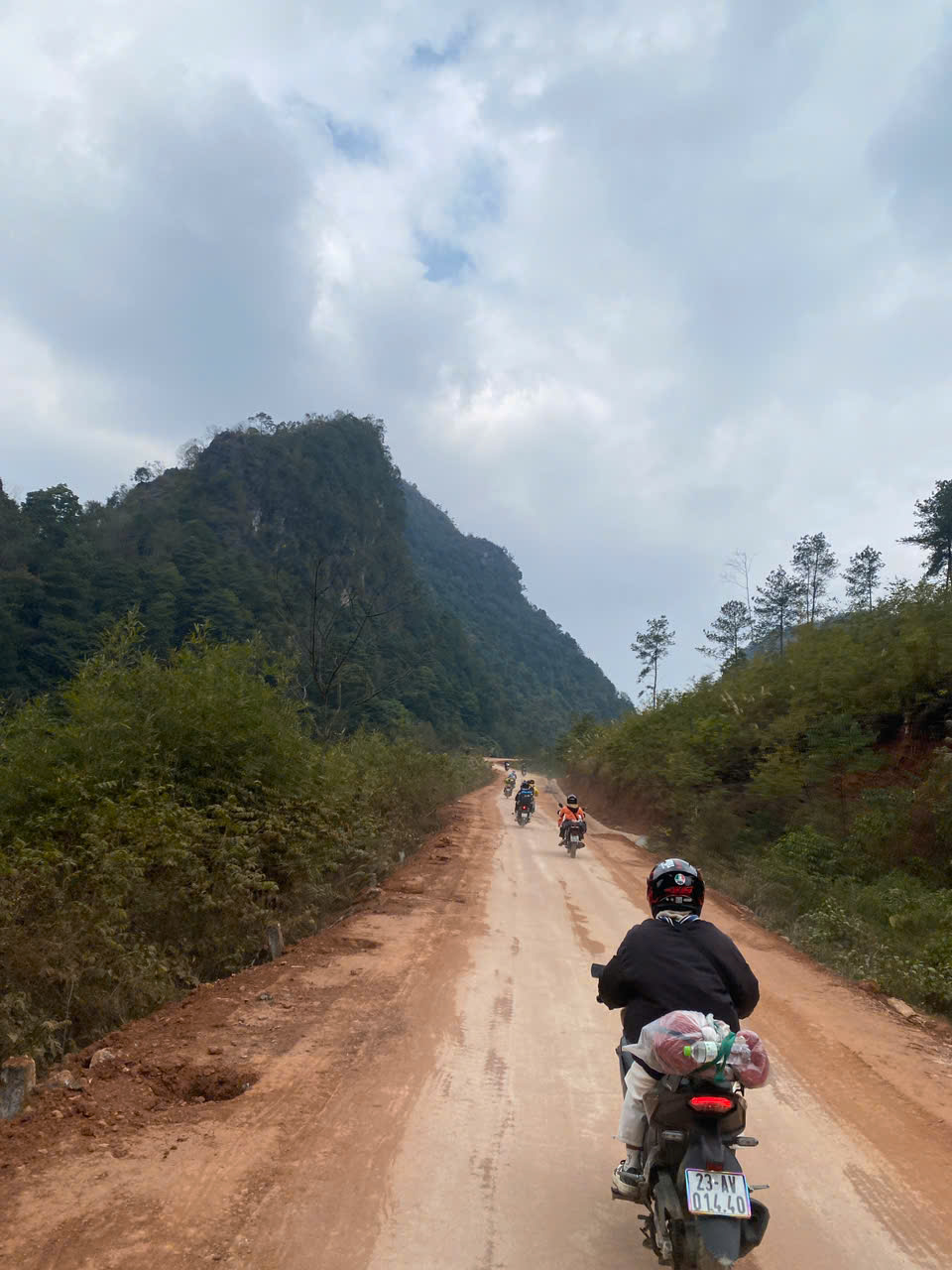
Adventurous travelers often join guided motorbike tours that combine the Ha Giang Loop with Cao Bang. This route connects two of Vietnam’s most iconic northern provinces, offering jaw-dropping mountain roads, homestay experiences, and cultural immersion with local ethnic groups.
The drive Ha Noi - Cao Bang unveils a series of changing landscapes. The journey begins with city traffic and suburban streets, but within an hour, skyscrapers fade green hills and rice terraces.
The road weaves past villages where time seems to stand still — farmers working with hand tools, children playing in rivers, and small markets bursting with fresh mountain produce.
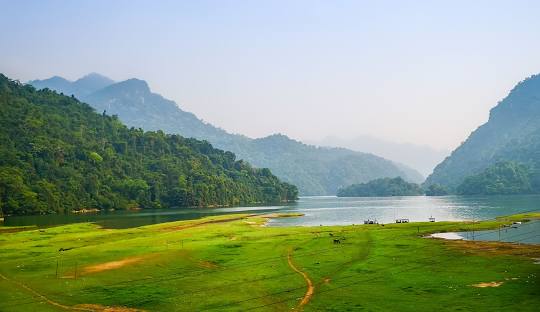
About halfway, you’ll enter Bac Kan Province, home to Ba Be National Park. Here, you can take a detour to visit Ba Be Lake, Vietnam’s largest natural lake, surrounded by limestone cliffs and waterfalls. It’s a great place to rest, kayak, or stay overnight before continuing to Cao Bang.
As you approach Cao Bang, the air cools and the scenery becomes even more dramatic. Towering karst peaks line the horizon, and the roads curve along rivers so clear they look like glass. Every turn feels like a new discovery.
Once you’ve completed the Ha Noi t- Cao Bang journey, a world of natural and historical wonders awaits:
The crown jewel of northern Vietnam — a massive cascade shared by Vietnam and China. The sight of water tumbling over multi-tiered cliffs surrounded by emerald rice fields is simply mesmerizing.
Just three kilometers Bản Giốc, this vast limestone cave stretches for more than two kilometers, filled with stalactites and stalagmites shaped by millions of years of geological artistry.
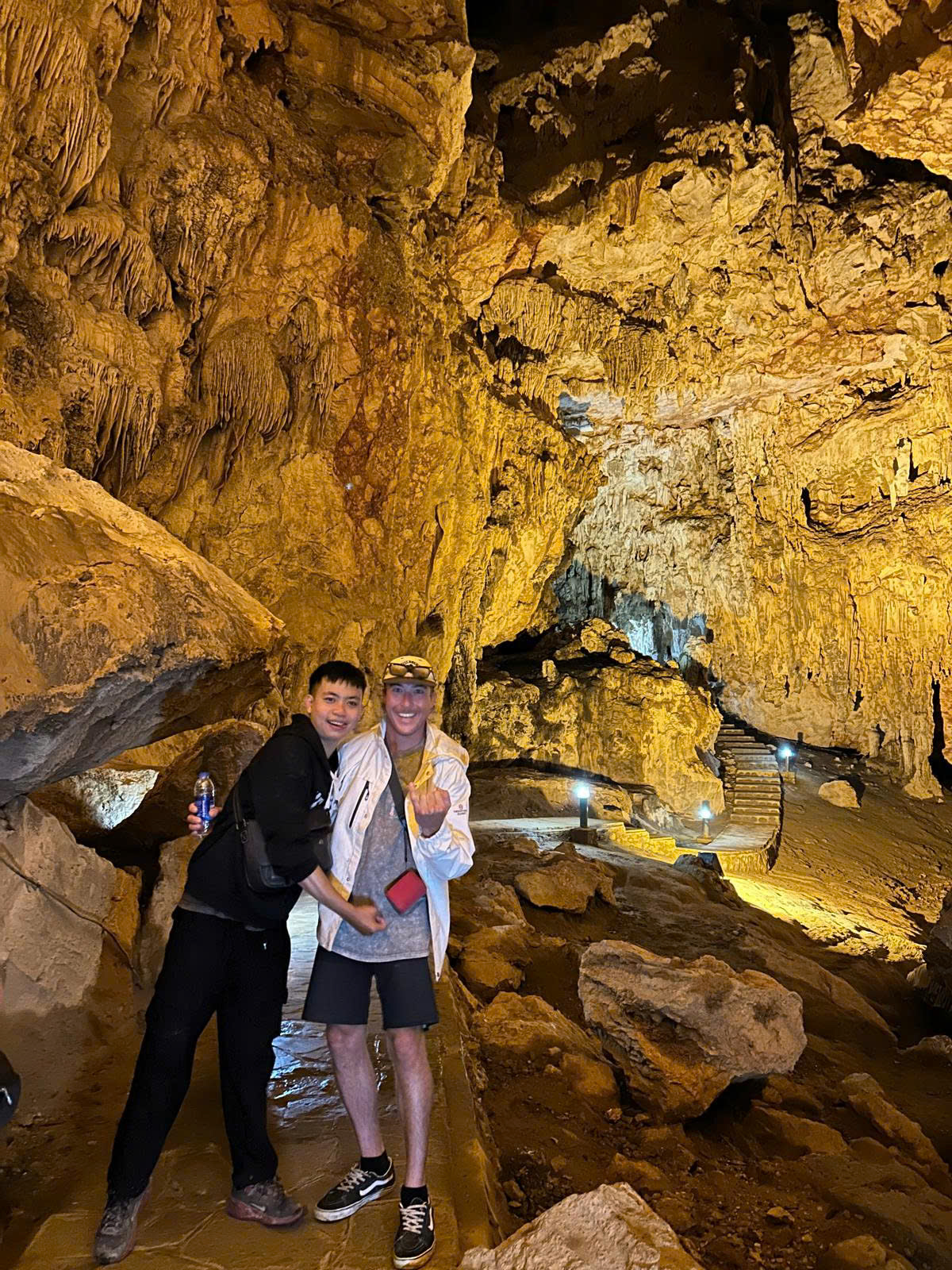
A sacred destination for Vietnamese history lovers. Here, President Ho Chi Minh lived and worked in Coc Bo Cave beside the tranquil Lenin Stream, planning the early steps of Vietnam’s revolution.
Famous for traditional handmade knives and farming tools. Watching local artisans forge red-hot steel with ancient techniques is an unforgettable cultural experience.
One of the most scenic passes in northern Vietnam, offering sweeping views of limestone cliffs and green valleys. Ideal for sunrise or sunset photos.
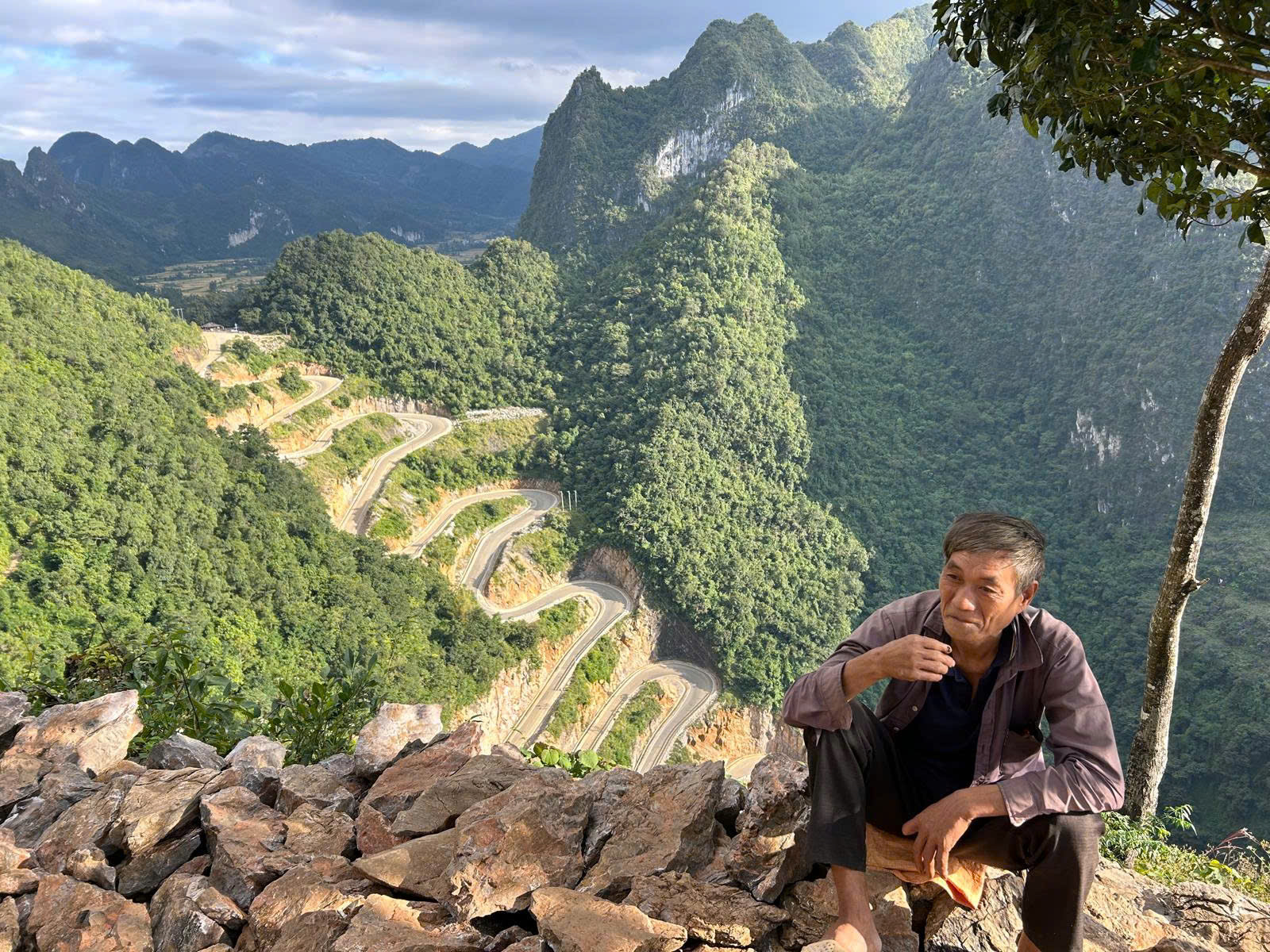
The best time for your Ha Noi - Cao Bang trip is September to November or March to May.
Autumn (Sep–Nov): Golden rice fields, cool weather, and crystal-clear skies — perfect for riding or photography.
Spring (Mar–May): Lush greenery, blooming flowers, and vibrant mountain life.
Avoid heavy rains June to August, when landslides may occur in remote mountain areas.
Cao Bang offers a range of accommodations, cozy homestays to boutique lodges:
Pac Bo Homestay: Rustic comfort surrounded by rice paddies and hills.
Saigon–Ban Gioc Resort: A scenic stay overlooking Ban Gioc Waterfall.
Local Tay & Nung Homestays: Experience authentic culture, home-cooked meals, and warm hospitality.
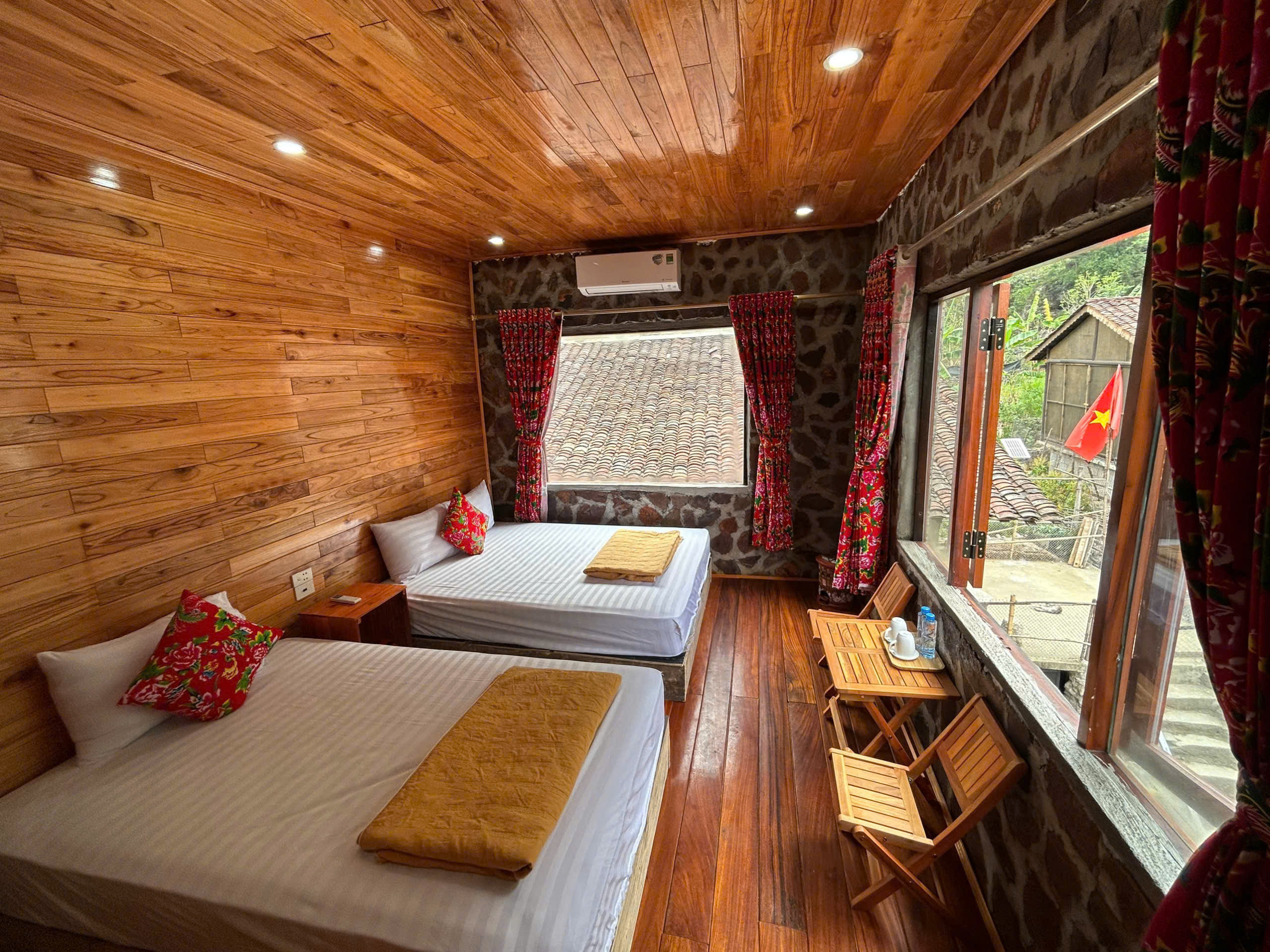
Bring warm clothes — nights in the mountains can be chilly.
Carry cash; ATMs are limited outside the city.
If riding a motorbike, always check fuel levels — gas stations can be sparse in rural areas.
Learn a few Vietnamese phrases — a smile and “cảm ơn” (thank you) go a long way.
Respect local customs and ask before photographing villagers.
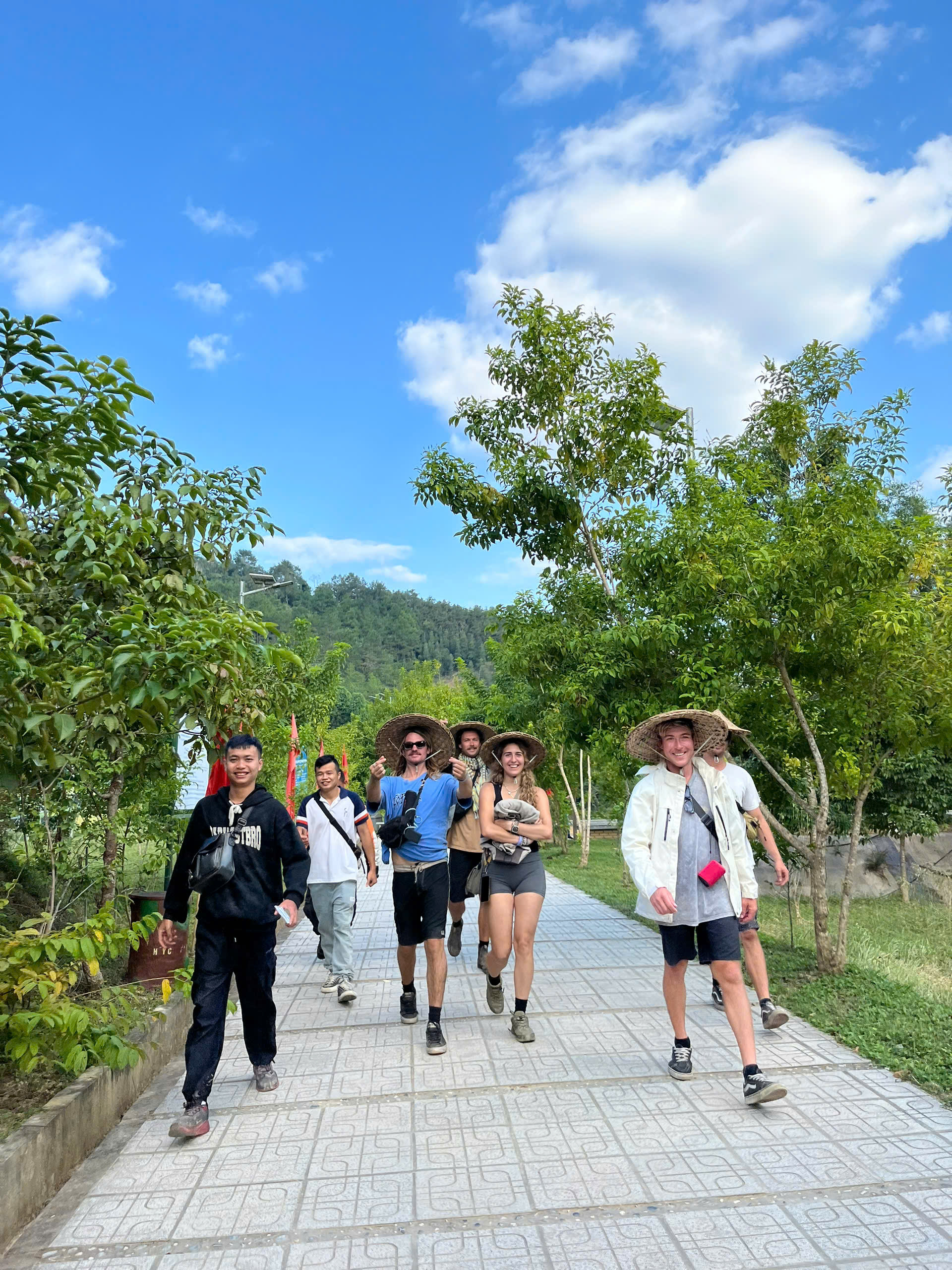
Traveling Ha Noi - Cao Bang is more than just a journey — it’s an exploration of Vietnam’s untamed beauty and indomitable spirit. Each turn of the mountain road reveals a new story: rivers that glisten like jade, people whose kindness transcends language, and landscapes so untouched they feel almost sacred.
Whether you travel by bus, car, or motorbike, the route Ha Noi - Cao Bang will awaken your sense of wonder and leave you with memories that linger long after you return to the city.
There is 0 comment, review about Ha Noi to Cao Bang: A Scenic Journey to Northern Vietnam
TVQuản trị viênQuản trị viên
Xin chào quý khách. Quý khách hãy để lại bình luận, chúng tôi sẽ phản hồi sớm