
Shopping cart,
0 products
There are no products in your shopping cart.
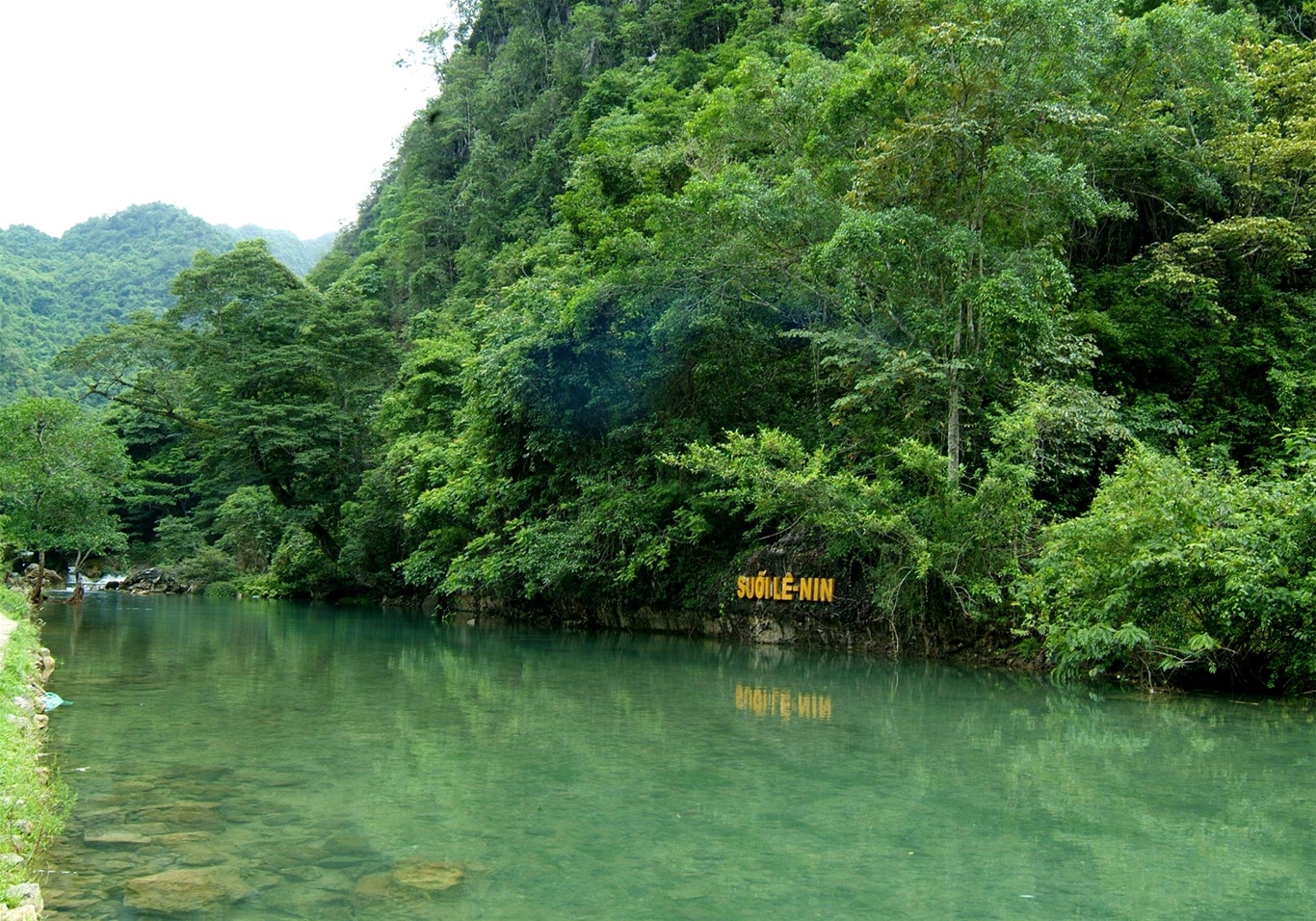
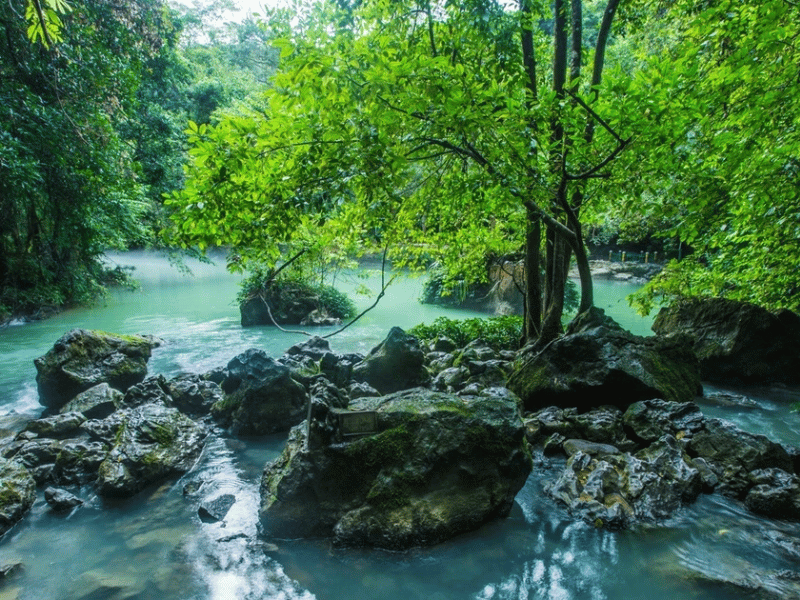
At first glance, Lenin Stream looks like something a dream — a ribbon of turquoise silk flowing through the wild heart of northern Vietnam. Its water glows with an otherworldly blue, so clear that you can see pebbles shimmering on the stream bed like scattered gems. When sunlight filters through the dense forest canopy above, the surface turns a living mirror, reflecting a thousand shades of green the leaves. Mist rises gently the hills, and the air carries the faint scent of moss and earth — pure, untouched, and deeply serene.
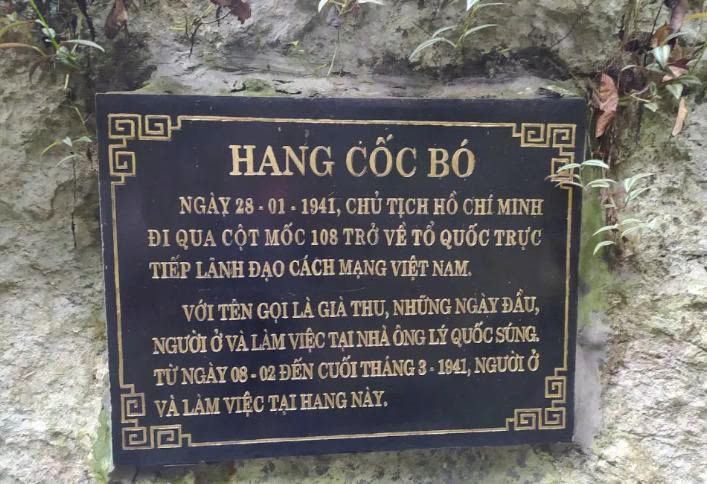
Yet beneath this breathtaking tranquility lies a current of history that forever shaped a nation. In 1941, after more than thirty years abroad, President Ho Chi Minh secretly returned to Vietnam, seeking a place to rekindle the flame of independence. He chose Pac Bo, a remote valley surrounded by protective limestone mountains and lush forest, as his revolutionary base. For months, he lived in Coc Bo Cave, a small, humble shelter carved by nature itself, beside the soft murmur of Lenin. It was here — in solitude and simplicity — that he wrote, studied, and mapped out the early strategies for Vietnam’s liberation movement.
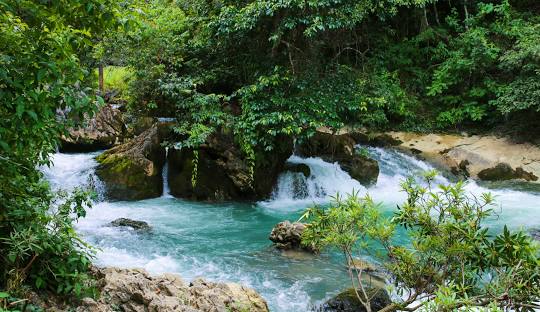
Each dawn, Ho Chi Minh would bathe in the cold, crystal water of Lenin, then boil bamboo shoots for breakfast before beginning his work. The stream became not only his companion but also a source of inspiration — a symbol of clarity, resilience, and endurance. He named it Lenin to honor Vladimir Lenin, whose revolutionary ideals had deeply influenced his vision for a free Vietnam. Nearby, he called the limestone mountain Karl Marx Peak, creating a sacred geography of thought and faith.
Together, these two landmarks — the stream and the mountain — embody the intellectual and ideological foundation of Vietnam’s struggle for independence. Stream represents purity and movement, the steady flow of determination that carved its way through adversity. Karl Marx Peak, standing firm and unshaken, symbolizes strength and conviction. Side by side, they tell the story of how dreams, like rivers, can begin in silence yet move mountains over time.
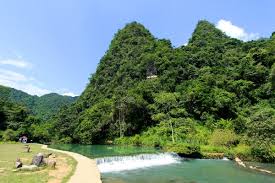
Today, when visitors arrive at Pac Bo, they are greeted by the same serene landscape that once inspired the nation’s leader more than eight decades ago. The atmosphere feels almost sacred — as if time itself has chosen to move slower here. Lenin Stream still flows with quiet grace, winding gently between towering limestone cliffs and fields of ripening rice that shimmer under the northern sun. The water remains astonishingly clear, so pure that even the smallest pebble or fallen leaf at the bottom appears within reach. It is a scene that blends harmony and strength — fragile, yet unchanging.
Delicate wooden bridges span the narrow parts of the stream, inviting travelers to stop, lean on the railing, and simply breathe. Standing there, one can feel the rhythm of nature — the gentle gurgle of flowing water, the rustle of bamboo leaves, the distant crow of a rooster echoing the valley. Every sound weaves together a natural symphony of peace, a melody that seems untouched by modern life. The air is cool and clean, filled with the faint scent of wet earth and wildflowers.
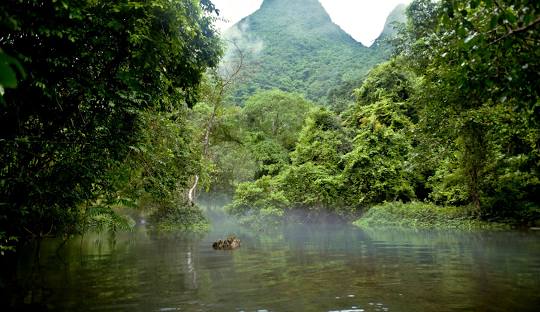
In spring and early summer, the entire area awakens in color and life. Soft mist floats above the stream like thin veils of silk, wrapping the valley in a dreamy haze. The hillsides turn an endless palette of green, while dragonflies dance above the water and butterflies drift among the reeds. Locals often say that Stream is not just beautiful — it is alive. To them, it carries a spirit, a quiet strength that speaks to the soul of those who take the time to listen.
If you sit by the water long enough, you might hear what they mean — the whisper of the stream echoing through the valley, telling stories of courage, sacrifice, and hope. It’s as if the water itself remembers the footsteps of history: the nights of solitude, the flicker of a lamp in Coc Bo Cave, and the dreams of freedom that began here. In every ripple, Stream still flows with the heartbeat of a nation — steady, calm, and eternal.
A visit to This Stream is not merely a sightseeing stop — it is both a historical pilgrimage and a spiritual awakening. Every step around this tranquil landscape leads deeper Vietnam’s past, offering a rare opportunity to walk the same paths once tread by the country’s beloved leader. The entire Pac Bo Historical Site is small and intimate, yet each corner seems to hold a heartbeat of history, echoing with memories of resilience, simplicity, and unwavering hope.
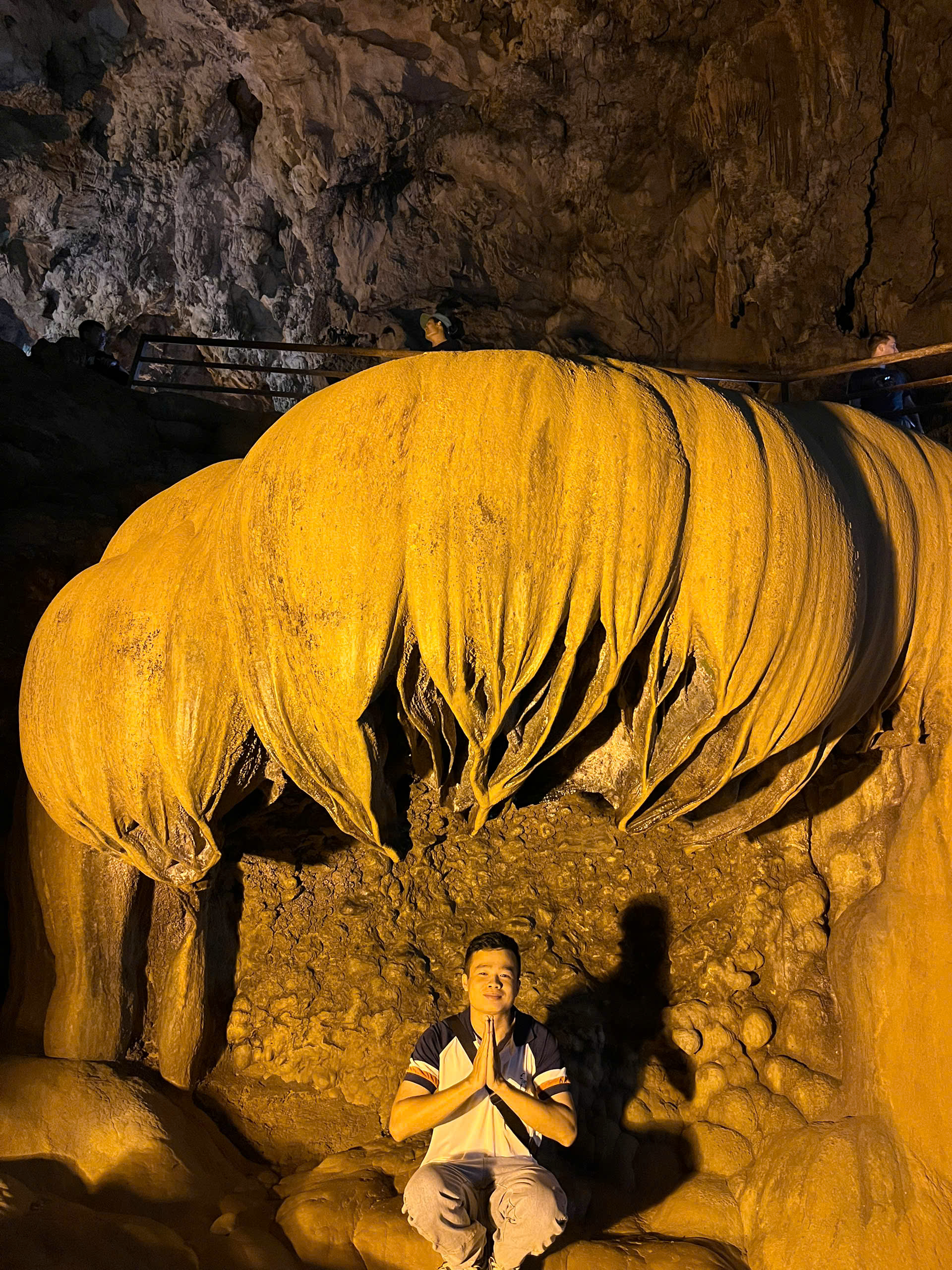
Just a few minutes’ walk Lenin Stream, you’ll find Coc Bo Cave, a humble shelter carved the limestone cliffs. It was here, in this quiet darkness illuminated by a single oil lamp, that President Ho Chi Minh spent months living, studying, and writing during the early days of the revolutionary movement. The cave is small — barely large enough for a bamboo bed, a desk, and a few personal belongings — yet it became the nerve center of Vietnam’s liberation. Visitors can still see the rock where Ho Chi Minh sat and worked, facing the soft murmur of Lenin, his only companion during those long, uncertain months. Standing here, one cannot help but feel the weight of solitude and the immense courage that was born within it.
A short hike uphill brings you to Karl Marx Peak, a viewpoint named by Ho Chi Minh himself. The climb is gentle, winding through shaded paths lined with wildflowers and the occasional flutter of butterflies. When you reach the top, the view opens to a vast panorama — green valleys stretching endlessly, the stream glistening below like a silver thread weaving through the mountains. It’s easy to imagine why he chose this place: the landscape feels protective, almost nurturing, as if nature itself had embraced his mission. The peak stands not just as a tribute to Marx’s ideology, but also as a symbol of intellectual endurance and revolutionary faith.
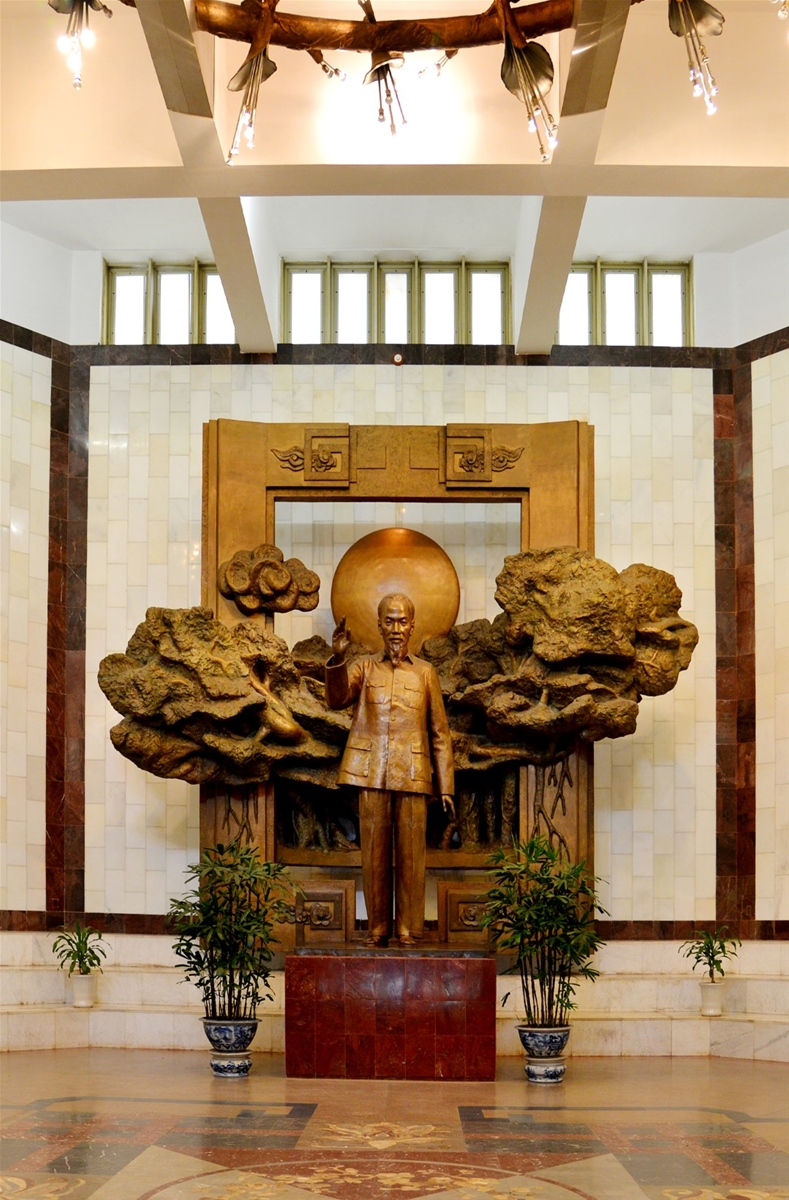
Nearby, the Pac Bo Museum provides a thoughtful window this pivotal chapter of Vietnamese history. Though modest in size, the museum houses an invaluable collection of photographs, writings, and personal relics — Ho Chi Minh’s hand-carved walking stick, his worn sandals, and documents that laid the foundation for an independent Vietnam. Each exhibit tells a story of simplicity and strength, of how great ideas can flourish even in the most humble surroundings.
Surrounding these historic landmarks are the Tay and Nung ethnic villages, where time seems to move at its own unhurried pace. The villagers, known for their warmth and hospitality, often greet visitors with wide smiles and invitations to share a cup of homemade corn wine or freshly brewed tea. Wooden stilt houses perch gracefully along the valley slopes, and the rhythmic sound of looms can sometimes be heard — a reminder of the enduring traditions that define this region. Spend a few moments listening to the elders, and you’ll hear stories of their ancestors who lived through the same struggles and victories that shaped modern Vietnam.
Together, these places — the Coc Bo Cave, Karl Marx Peak, Pac Bo Museum, and the surrounding villages — weave an experience that transcends tourism. They form a journey of remembrance and gratitude, where history, culture, and nature intertwine in quiet harmony. Visiting Lenin Stream is to witness not only the birth of a revolution but also the enduring spirit of a people who found strength in simplicity and peace in purpose.
4. How to Visit Lenin Stream
Lenin lies peacefully in the northernmost reaches of Cao Bang Province, about 55 kilometers north of Cao Bang City and only a few kilometers the Vietnam–China border. The road leading here is an adventure in itself — a ribbon of asphalt winding through valleys, crossing streams, and climbing gentle mountain slopes. Along the way, travelers pass through small Tay, Nung, and H’Mong villages, where stilt houses dot the hillsides and buffalo graze lazily in terraced rice fields. The air grows cooler and fresher the further you go, and the scenery shifts quiet farmlands to dramatic limestone peaks rising like stone guardians above the mist.
The most popular and rewarding way to reach this Stream is by motorbike. The ride offers a sense of freedom that perfectly matches the landscape’s wild spirit — the kind of journey where you can feel the wind brushing your face and the rhythm of the mountains in your chest. For those who prefer comfort, private car or limousine transfers Cao Bang City are also available, with drivers familiar with the curving roads and scenic viewpoints along the way. Whichever option you choose, the journey becomes part of the experience — a gradual immersion nature and history, where every kilometer brings you closer to one of Vietnam’s most meaningful landmarks.
If you’re following a Cao Bang Itinerary, Lenin Stream usually marks the beginning of the adventure. Many travelers visit it on Day 1 of the journey Ha Giang to Cao Bang, stopping to explore this sacred site before continuing toward Nguom Ngao Cave and Ban Gioc Waterfall. Others start their 3-day Cao Bang tour here, tracing the same path once walked by revolutionaries through valleys, passes, and historical villages.
The entrance fee to Lenin and the Pac Bo Historical Site is modest — around 40,000 VND per person (subject to change). This small contribution helps maintain the area and supports local communities that preserve its heritage. The ticket covers access to the main walking path, Coc Bo Cave, Lenin Stream, and Karl Marx Peak, all located within the same scenic valley.
The best time to visit Stream depends on what kind of experience you seek. September to November, the weather is cool, dry, and perfectly clear — ideal for motorbike journeys and photography. The rice fields turn golden, and the sunlight gives the stream an enchanting turquoise glow. March to May, the area awakens after winter: flowers bloom along the roadsides, butterflies fill the air, and the stream shines its brightest blue-green under the gentle spring sun. During these months, the balance of crisp mornings and warm afternoons makes Pac Bo one of the most pleasant destinations in northern Vietnam.
While Stream can be visited year-round, travelers should note that the rainy season (June to August) may cause slippery roads and occasional floods in low areas. However, the rain also enhances the lushness of the forest and makes the stream run stronger — a wilder, more powerful version of its calm self. No matter the season, the journey to Lenin always rewards those who seek not only beauty, but meaning — a connection to Vietnam’s roots, its nature, and its unbreakable spirit.
Unlike other popular tourist destinations in Vietnam, Lenin remains remarkably peaceful. There are no crowds, no noise — just the gentle flow of water and the weight of history in the air.
Standing by the stream, you can almost imagine Ho Chi Minh sitting quietly by the rocks, writing and reflecting under the same canopy of trees. It’s a place that invites reflection — on freedom, perseverance, and the enduring bond between people and nature.
For photographers, it’s a dream come true: turquoise waters, misty peaks, and the golden light of the northern mountains. For history lovers, it’s a journey back in time. And for anyone seeking inner calm, tream offers the kind of serenity that words can barely describe.
Bring comfortable walking shoes — the area is best explored on foot.
Visit early in the morning for the most peaceful atmosphere and best photos.
Stay overnight at a local homestay near Pac Bo to experience authentic Tay culture and home-cooked meals.
Combine Lenin with visits to Ban Gioc Waterfall, Nguom Ngao Cave, and Phuc Sen Village for a full Cao Bang itinerary experience.
Lenin Stream is more than a landmark — it’s a symbol of Vietnam’s journey struggle to peace. Whether you come for its historical legacy or its natural beauty, this place will leave a mark on your soul.
In the quiet murmur of its waters, you’ll find not only the echo of history but also a gentle reminder of resilience, simplicity, and hope.
There is 0 comment, review about Lenin Stream – The Tranquil Heart of Pac Bo, Cao Bang
TVQuản trị viênQuản trị viên
Xin chào quý khách. Quý khách hãy để lại bình luận, chúng tôi sẽ phản hồi sớm