
Shopping cart,
0 products
There are no products in your shopping cart.
Nội dung bài viết
The Ha Giang Loop is a circular travel route through northern Vietnam’s most dramatic mountain landscapes. It usually starts and ends in Ha Giang City, passing through places such as Quan Ba, Yen Minh, Dong Van, Ma Pi Leng Pass, Meo Vac, Mau Due, and Du Gia.
This road is more than a route on a map. It is a ribbon of stone, cloud, and memory. Every curve opens a new scene. Every village carries a quiet story. Every mountain feels like an old guardian watching over the valley below.
For many travelers, this journey becomes the emotional highlight of their Vietnam trip.
What makes the route special is the feeling of entering a world that still feels untouched and deeply sincere. The road does not simply connect destinations. It connects travelers with local families, mountain traditions, and landscapes shaped by time. the first morning ride to the final return, every moment feels like a quiet conversation with northern Vietnam.

This northern mountain route is famous because it combines adventure, culture, and raw natural beauty. Few routes in Southeast Asia offer such powerful scenery within just a few days.
Travelers can ride beside deep canyons, cross high passes, visit mountain markets, and stay in local homestays. The scenery changes constantly, like a painting that redraws itself after every bend.
But the true beauty is not only in the mountains. It is in the people. A warm meal, a local smile, or a simple greeting a child can stay in the heart longer than any photograph.
This is why the journey feels deeply human, not only beautiful.
Its reputation also comes the emotional contrast between wild landscapes and gentle human moments. One minute, travelers may stand before cliffs that feel larger than life. The next, they may sit beside a family kitchen, sharing rice, vegetables, and stories. That balance between greatness and simplicity is what makes the experience unforgettable.
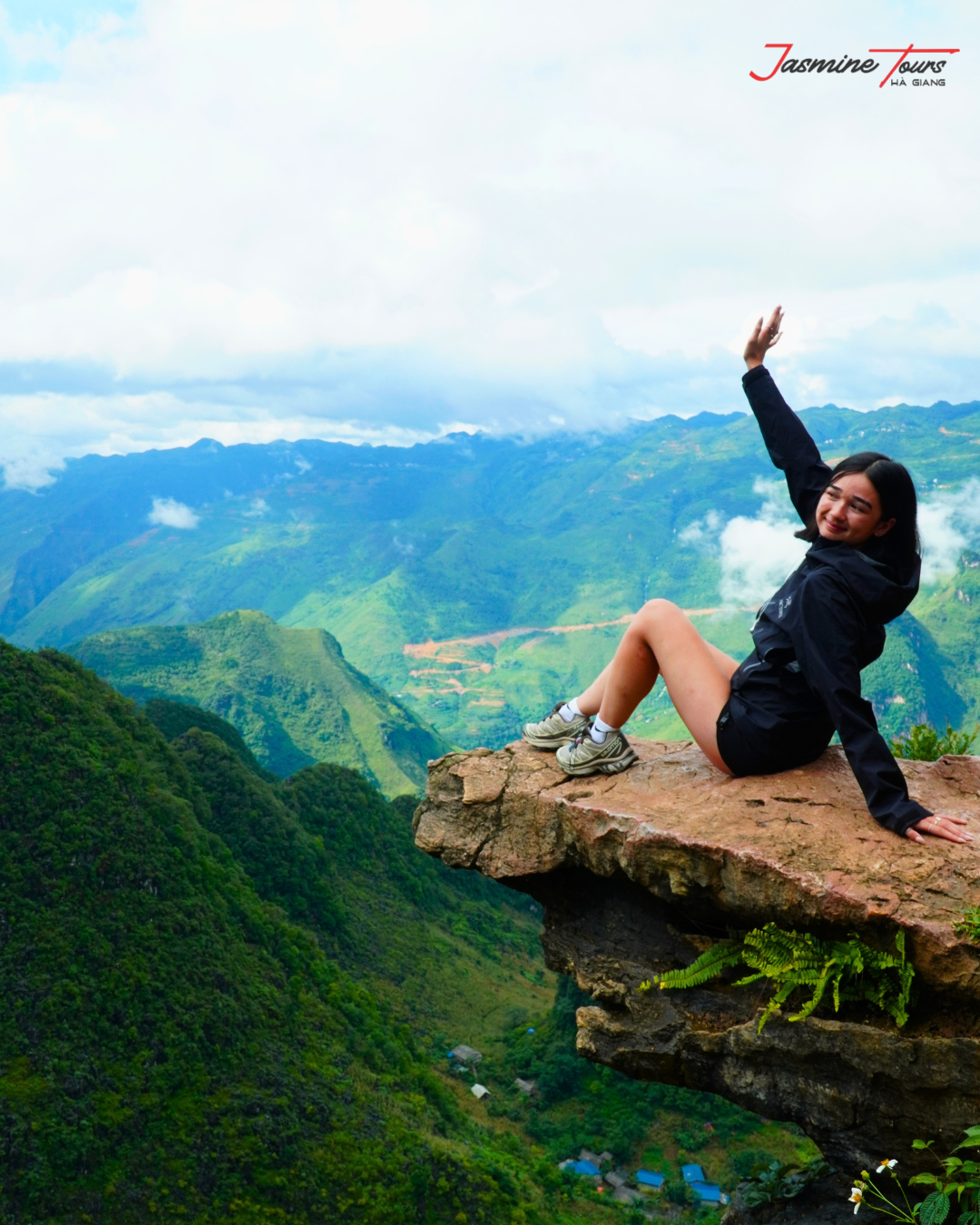
A classic route often includes Quan Ba, Yen Minh, Dong Van, Ma Pi Leng Pass, Meo Vac, Mau Due, and Du Gia. Each place adds a different emotion to the journey.
Quan Ba offers wide mountain views and peaceful valleys. Yen Minh brings pine forests and winding roads. Dong Van gives travelers old stone houses, cultural markets, and access to the famous karst plateau. Ma Pi Leng Pass is often the most breathtaking section, with the Nho Que River shining far below.
Du Gia feels softer and slower. Its waterfalls, rice fields, and homestays help travelers rest after days on the road.
Together, these stops create a journey that feels alive.
The beauty of the route is not only found at famous viewpoints. It also appears in small details along the way: smoke rising village kitchens, corn drying beside stone walls, buffalo walking through misty fields, and children waving mountain paths. These quiet scenes give the journey warmth and make the road feel personal.
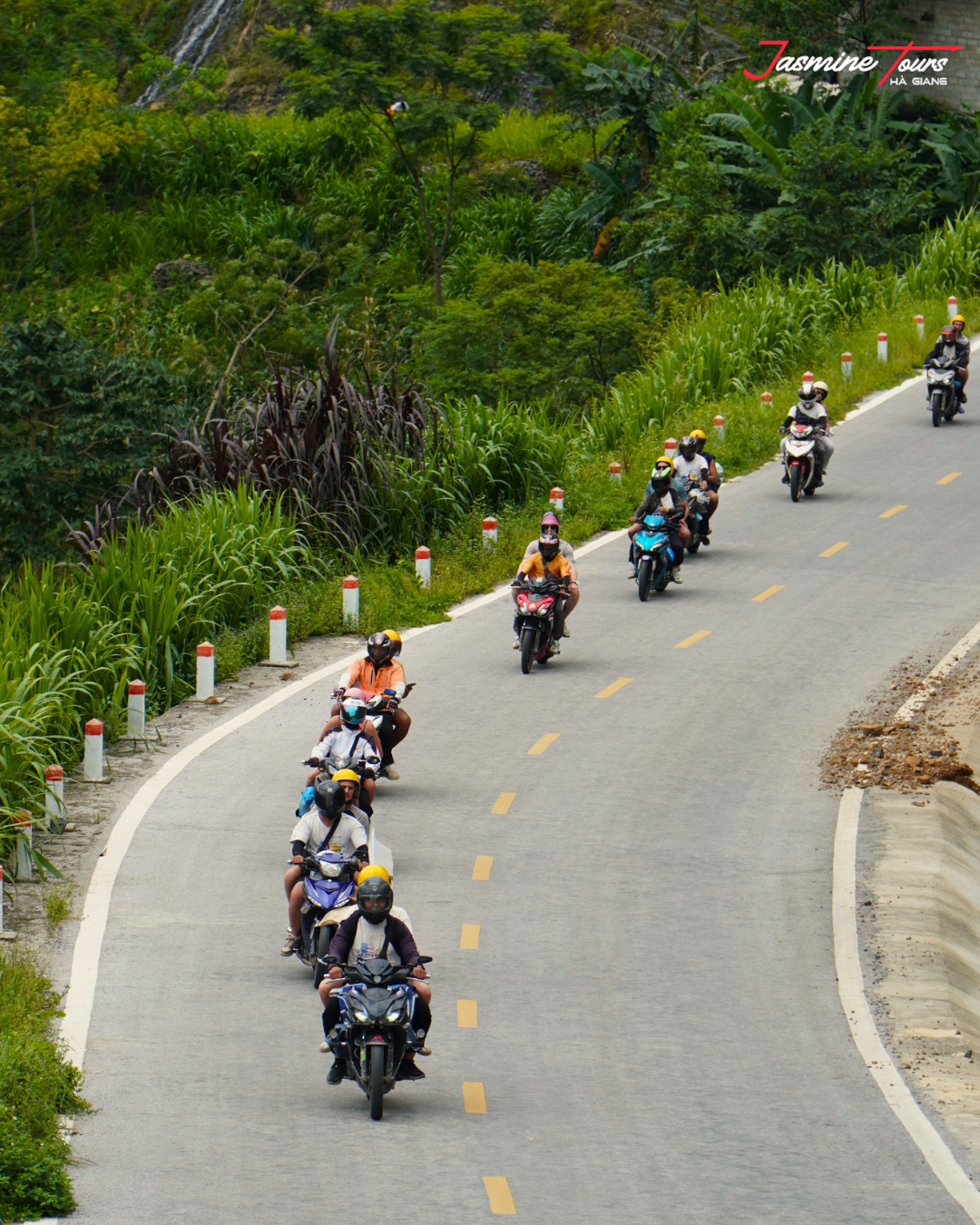
Most travelers choose three or four days for this journey. A three-day trip is suitable for guests with limited time. It covers major highlights, but the pace can feel faster.
A four-day journey gives more space to breathe. Travelers can stop longer, enjoy local meals, take photos, and experience villages without rushing. This option is often better for first-time visitors who want comfort and deeper cultural connection.
A good journey should not feel like a race. Ha Giang is best enjoyed slowly, like tea shared beside a mountain road.
The more time you give the route, the more it gives back.
Choosing the right duration depends on travel style. Some guests want to see the highlights quickly, while others prefer quiet mornings, longer photo stops, and deeper conversations with local guides. If possible, a slower itinerary often creates better memories because it allows travelers to feel the rhythm of the mountains instead of only passing through them.
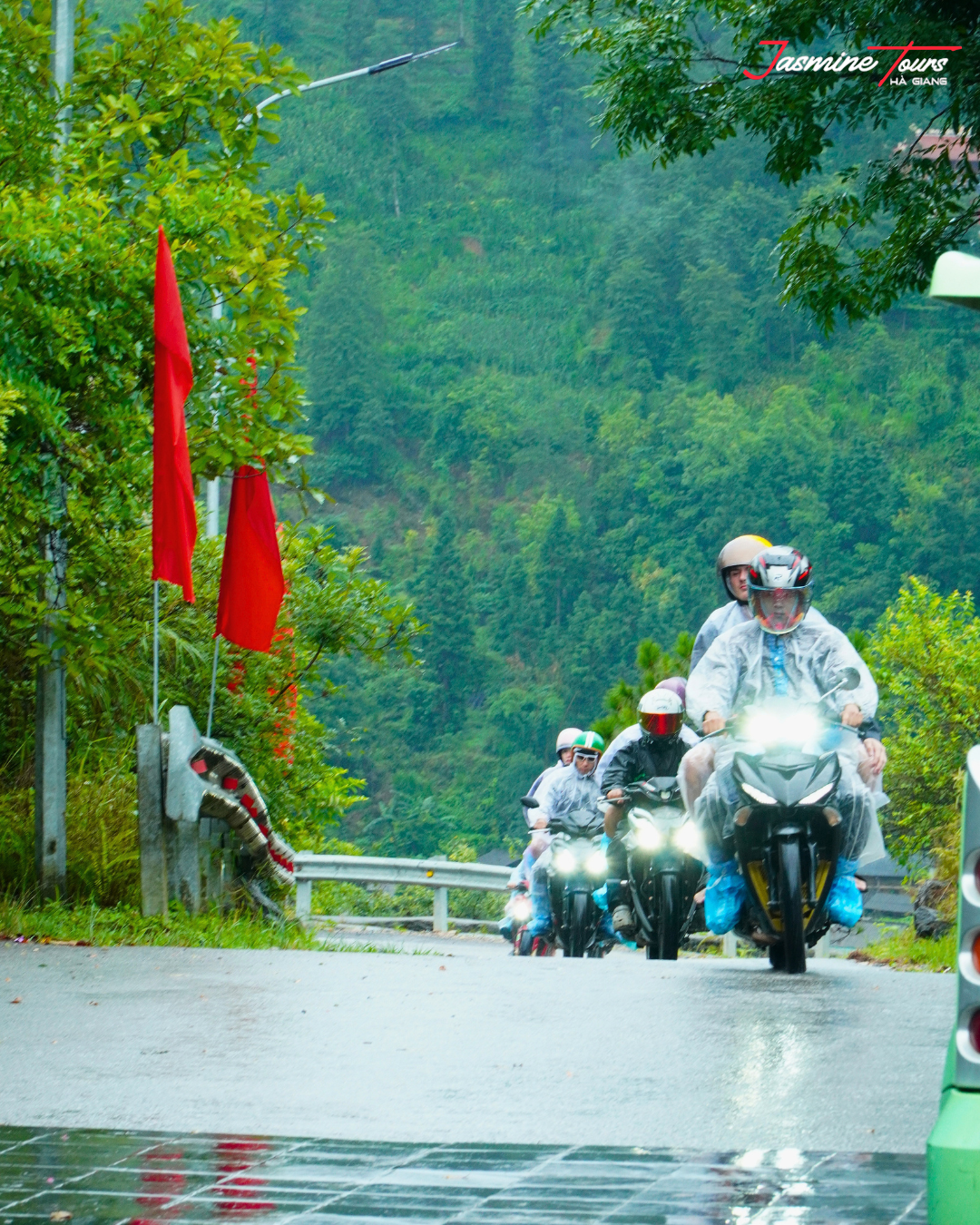
Travelers can experience this route by self-riding or joining an Easy Rider tour. Self-riding gives freedom, but it requires strong motorbike skills, confidence, and proper legal preparation.
The mountain roads can be steep, narrow, wet, foggy, or affected by changing weather. For beginners, an Easy Rider is often safer and more relaxing. Guests sit behind experienced local riders and focus fully on the scenery.
An Easy Rider is not only a driver. He is a guide, protector, and storyteller. He knows where to stop, when to slow down, and how to help guests feel secure.
Safety should always travel beside adventure.
For many international travelers, choosing a local rider also adds cultural value. Guests can ask questions, discover hidden viewpoints, and learn about village life someone who truly knows the region. Instead of worrying about road conditions, they can enjoy the wind, the views, and the feeling of being fully present in the journey.
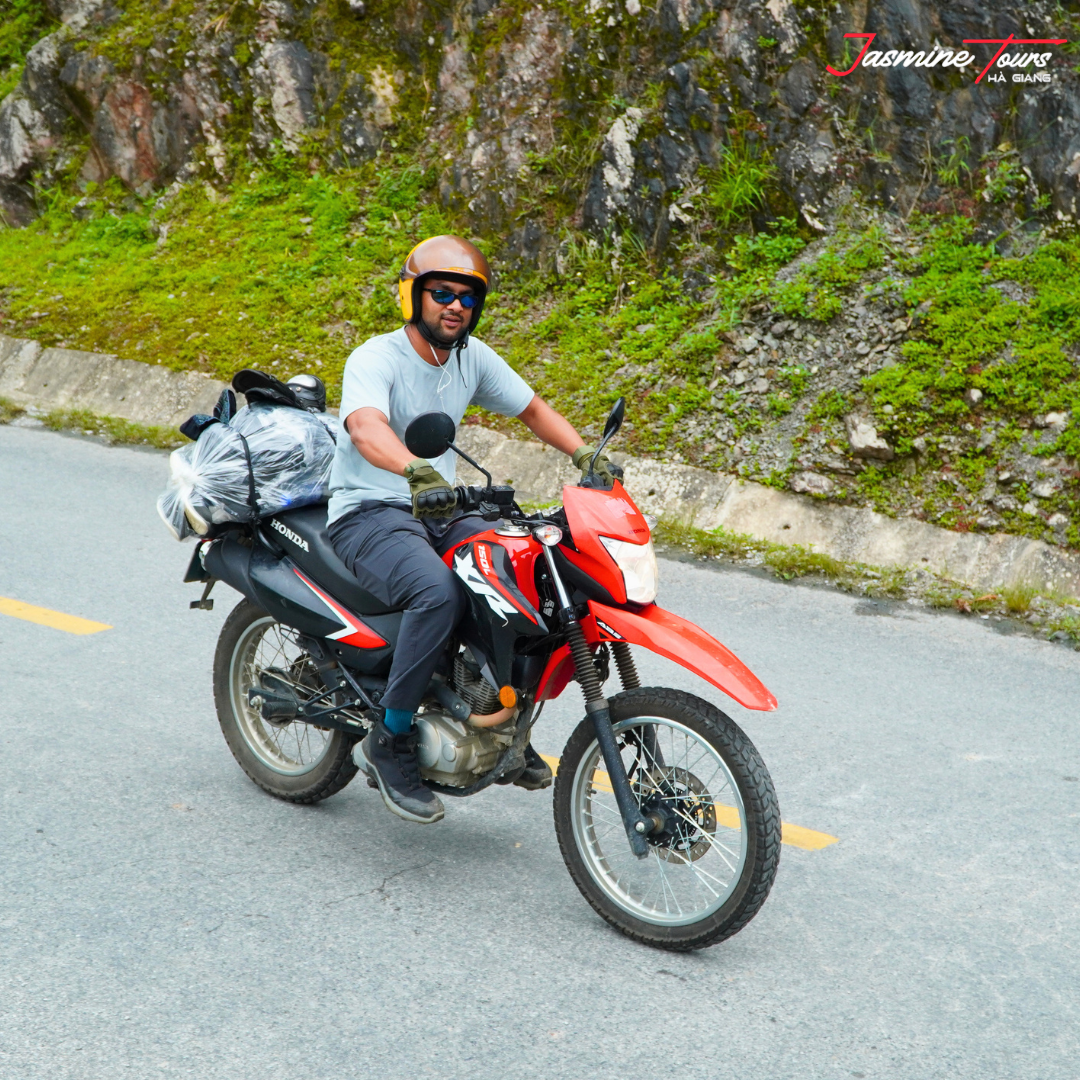
The road is beautiful, but it must be respected. Motorbike travel involves real safety decisions, especially on mountain routes.
Travelers should wear helmets, use protective gear, follow guide instructions, avoid alcohol before riding, and prepare clothing for changing weather. Self-riders should check license rules, motorbike insurance, travel insurance, and current legal requirements before departure.
This article provides travel guidance only. It is not legal, medical, or insurance advice. Guests should confirm official requirements before riding.
A safe journey is like a strong bridge. It allows freedom and peace of mind to cross the mountains together.
With Jasmine Tours, safety is treated as part of the experience, not an afterthought.
Weather is another important factor. In the mountains, sunshine can quickly turn fog or rain. Roads may become slippery, and visibility can change within minutes. That is why guests should listen carefully to local guidance and avoid taking unnecessary risks. A memorable trip is not the fastest one. It is the one where everyone returns safely.

This is not only a scenic road. It is also a cultural journey through communities that have lived in the mountains for generations.
Travelers may meet Hmong, Tay, Dao, Lo Lo, and Nung communities. Each group has its own clothing, food, customs, architecture, markets, and family traditions.
Homestays often become the most emotional part of the trip. After a long ride, a warm dinner can feel like a small fire in the heart. A smile a local family can cross every language barrier.
Travelers should ask before taking close photos, support local businesses, and listen with respect. Culture is not a performance. It is daily life.
These cultural moments help travelers understand the region beyond its landscapes. A market is not only a place to buy goods. It is where people meet, trade, talk, and preserve traditions. A homestay is not only a place to sleep. It is a doorway local hospitality, where simple gestures often carry deep meaning.

The Loop gives travelers unforgettable memories. Through The Green Road, Jasmine Tours helps travelers give something meaningful back.
The Green Road is Jasmine’s tree-planting project, created to help restore and protect the mountain landscapes that make this region so special. Instead of seeing tourism only as movement, Jasmine sees it as a chance to plant hope.
A small tree may look fragile, like a promise held in two hands. But with time, it can become shade, soil protection, fresh air, and a living memory beside the road.
This project reminds travelers that every beautiful place carries responsibility. The mountains are not just backgrounds for photos. They are home to local families, forests, animals, and future generations.
Through The Green Road, each journey continues growing after the engine stops.
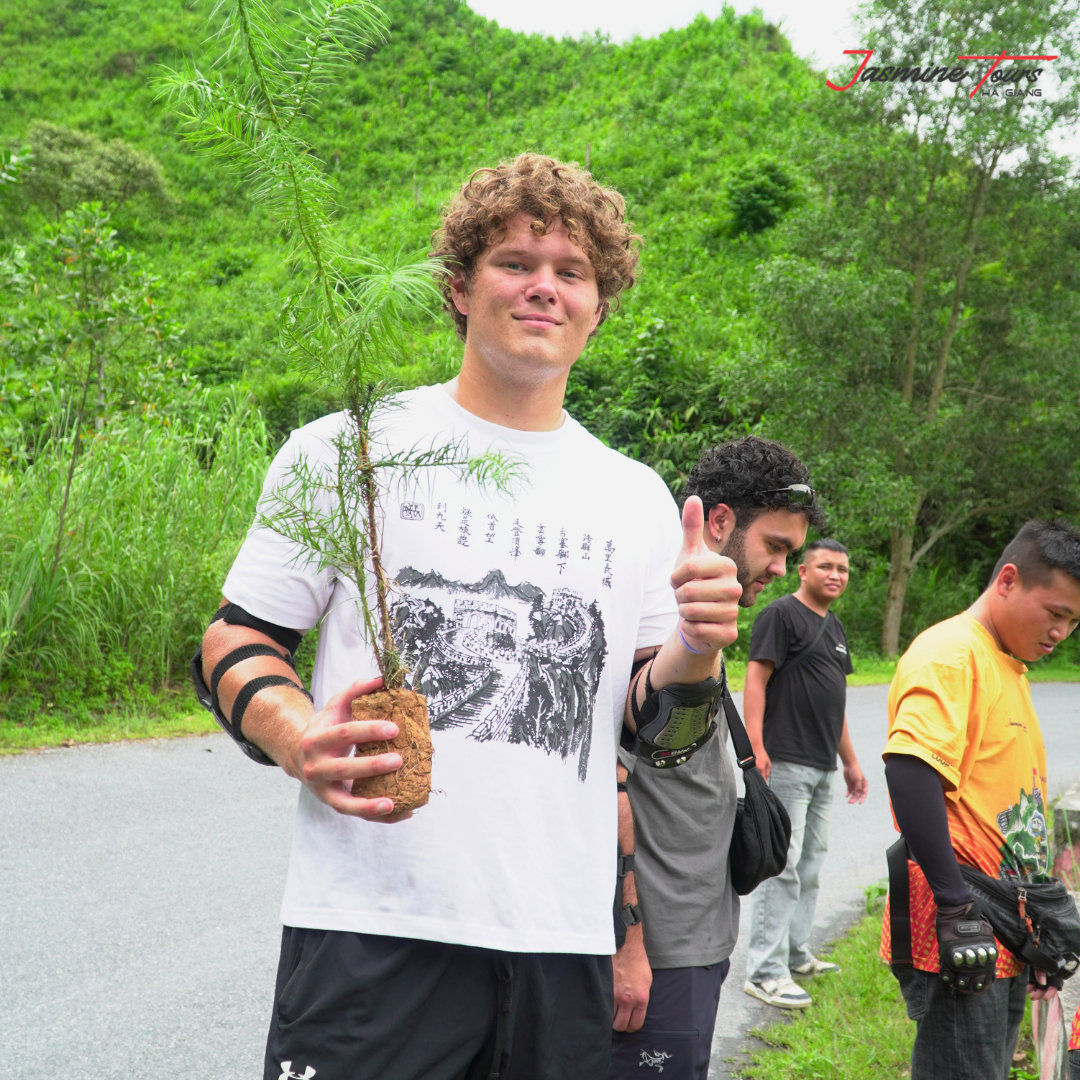
Jasmine Tours focuses on local knowledge, safety, small-group experiences, and meaningful travel. The goal is not only to show travelers the HaGiang Loop, but to help them feel its heart.
Guests are supported by experienced local Easy Riders, planned routes, accommodation, meals, safety guidance, and practical travel support. The journey is shaped by people who call Ha Giang home.
Jasmine Tours also connects adventure with responsibility through The Green Road. Ha Giang gives travelers mountains, memories, and stories. In return, Jasmine believes tourism should support local communities and protect the land.
This is travel with a heart. And often, that heart is what guests remember most.
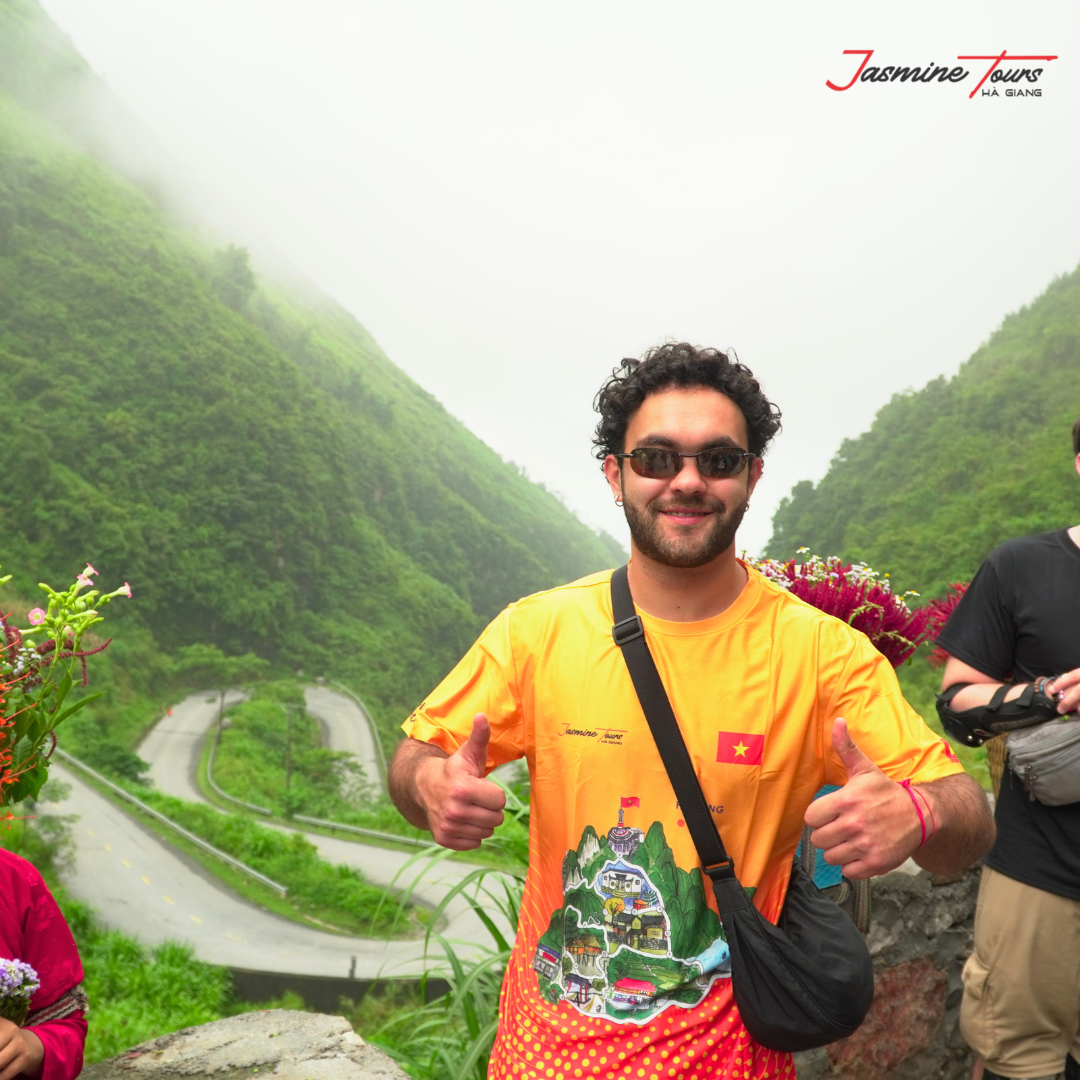
This journey is more than a motorbike route. It is a road through mountains, cultures, courage, and gratitude.
It asks travelers to slow down. To feel the wind. To listen to local stories. To understand that every road has a memory, and every destination has people behind it.
With Jasmine Tours, the experience becomes safer, deeper, and more meaningful. Through The Green Road, it also becomes a promise to the future.
Long after the trip ends, travelers may forget the exact number of kilometers. But they will remember the silence of high passes, the warmth of homestays, and the feeling of touching something honest.
The road may end on the map. But in the heart, Ha Giang continues.
Perhaps that is the true power of this adventure. It does not only show travelers beautiful places. It changes the way they look at travel itself. The mountains teach patience. The villages teach humility. The trees planted through The Green Road teach hope. And together, they create a journey that continues long after the final turn.
Most travelers choose 3 or 4 days. A 3-day trip covers key highlights, while 4 days gives more time for culture, rest, and photography.
Yes, beginners can join as passengers with Easy Riders. Self-riding is better for experienced riders with proper license and insurance preparation.
Main highlights include Quan Ba, Yen Minh, Dong Van, Ma Pi Leng Pass, Nho Que River, Meo Vac, Mau Due, and Du Gia.
It can be safe with proper preparation, protective gear, experienced guides, and responsible riding. Weather and road conditions should always be respected.
The Green Road is Jasmine Tours’ tree-planting project. It helps restore Ha Giang’s landscapes and supports more responsible tourism.
There is 0 comment, review about Ha Giang Loop Travel Guide: Route, Culture, Safety & Green Travel
TVQuản trị viênQuản trị viên
Xin chào quý khách. Quý khách hãy để lại bình luận, chúng tôi sẽ phản hồi sớm