
Shopping cart,
0 products
There are no products in your shopping cart.
Nội dung bài viết
The destination lies within a dramatic mountainous region of northern Vietnam.
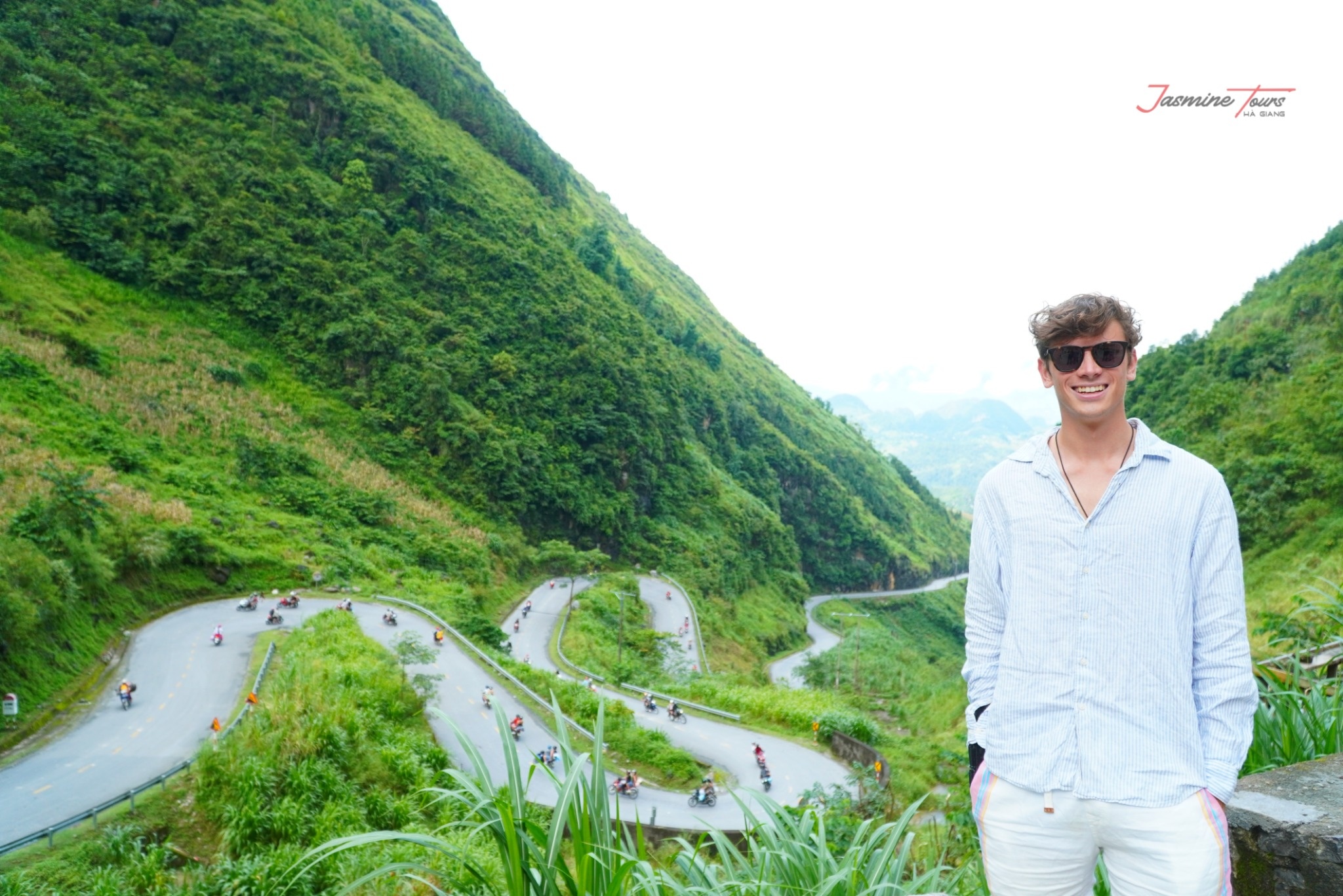
Roads move between valleys, limestone plateaus, forests, rivers, and elevated passes. These geographical differences create noticeable changes during a single riding day.
A morning may begin under clear skies. Fog can later cover a high pass without warning.
The lower valleys may feel warm. Meanwhile, exposed mountain sections can feel cooler and windier.
The Dong Van Karst Plateau contains towering peaks, deep canyons, and extensive limestone systems. Ma Pi Leng Pass reaches around 1,200 metres, according to UNESCO.
Therefore, a forecast for Ha Giang City may not perfectly represent every mountain stop. This is a practical inference the route’s varied elevations.
Travelers should prepare for several conditions, even during a short journey.
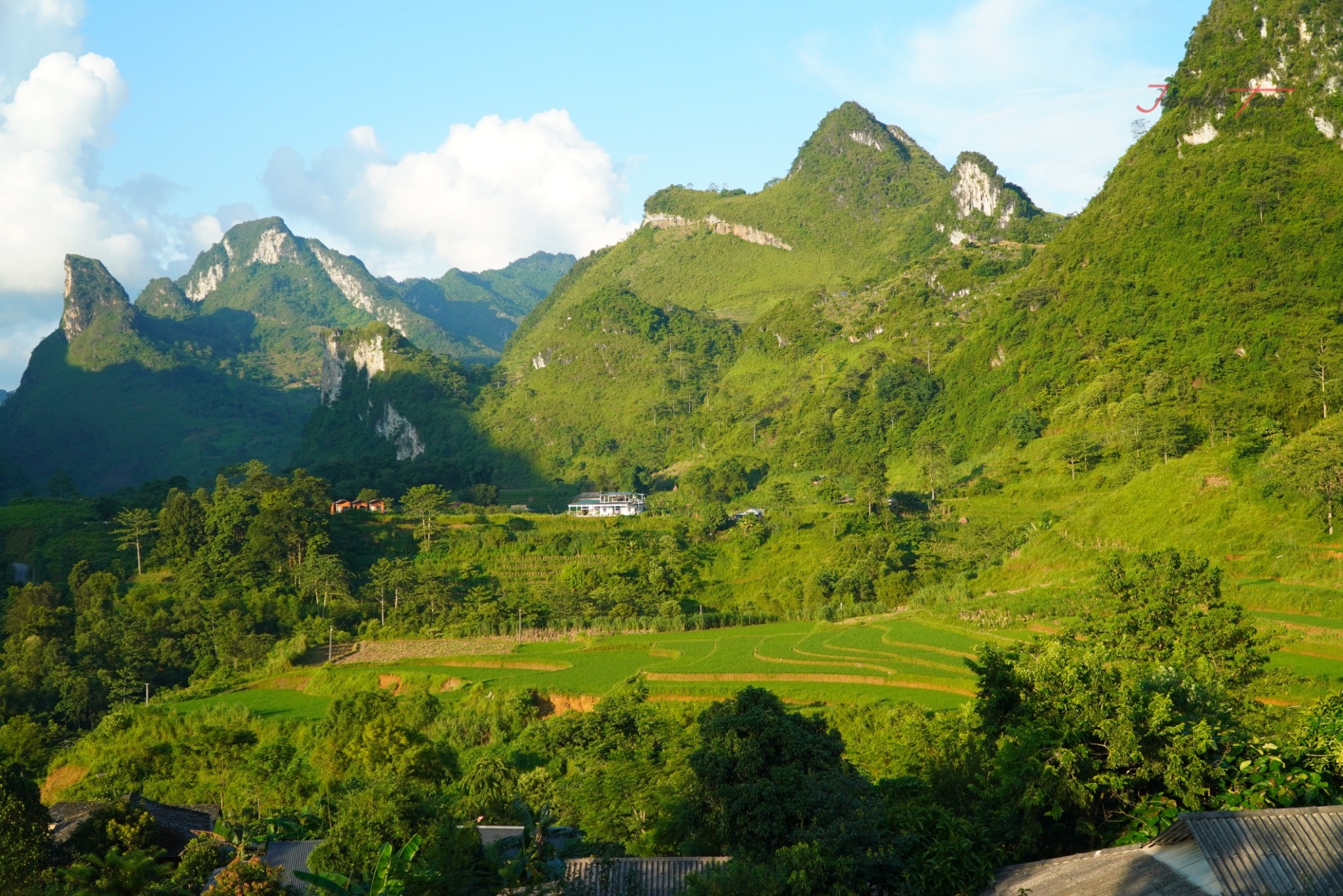
January and February bring some of the year’s most atmospheric landscapes.
Mountain mornings can feel cold, especially around Dong Van and Meo Vac. Thick mist may move through valleys and cover distant viewpoints.
The mist acts like a soft curtain across the mountains. It sometimes hides the view, but it creates unforgettable photographs.
UNESCO identifies January and February as important months for peach and plum blossoms. Their soft colours brighten villages and rocky hillsides.
Travelers should prepare warm layers, long trousers, gloves, and a wind-resistant jacket. A waterproof outer layer remains useful during light rain or heavy fog.
This period suits travelers who enjoy quiet roads and romantic mountain scenery.
However, visitors expecting completely clear views may need patience. Visibility can change several times during the day.

March and April often provide a pleasant balance between cool mornings and warmer afternoons.
The mountains begin changing colour as forests, crops, and roadside plants grow more vibrant.
Rain remains possible, but prolonged summer downpours are generally less characteristic of this period.
April is included within the pleasant and warm travel period highlighted by Vietnam Tourism.
These months suit first-time visitors seeking manageable conditions. They are also suitable for photographers, couples, and group travelers.
Pack breathable clothing for daytime travel. Bring a light fleece for evenings and high-altitude areas.
A waterproof jacket should remain inside your day bag.
Spring weather can feel gentle, but mountain air still changes quickly. The sun may warm your shoulders while cool wind crosses the pass.
That contrast makes spring one of the region’s most balanced seasons.
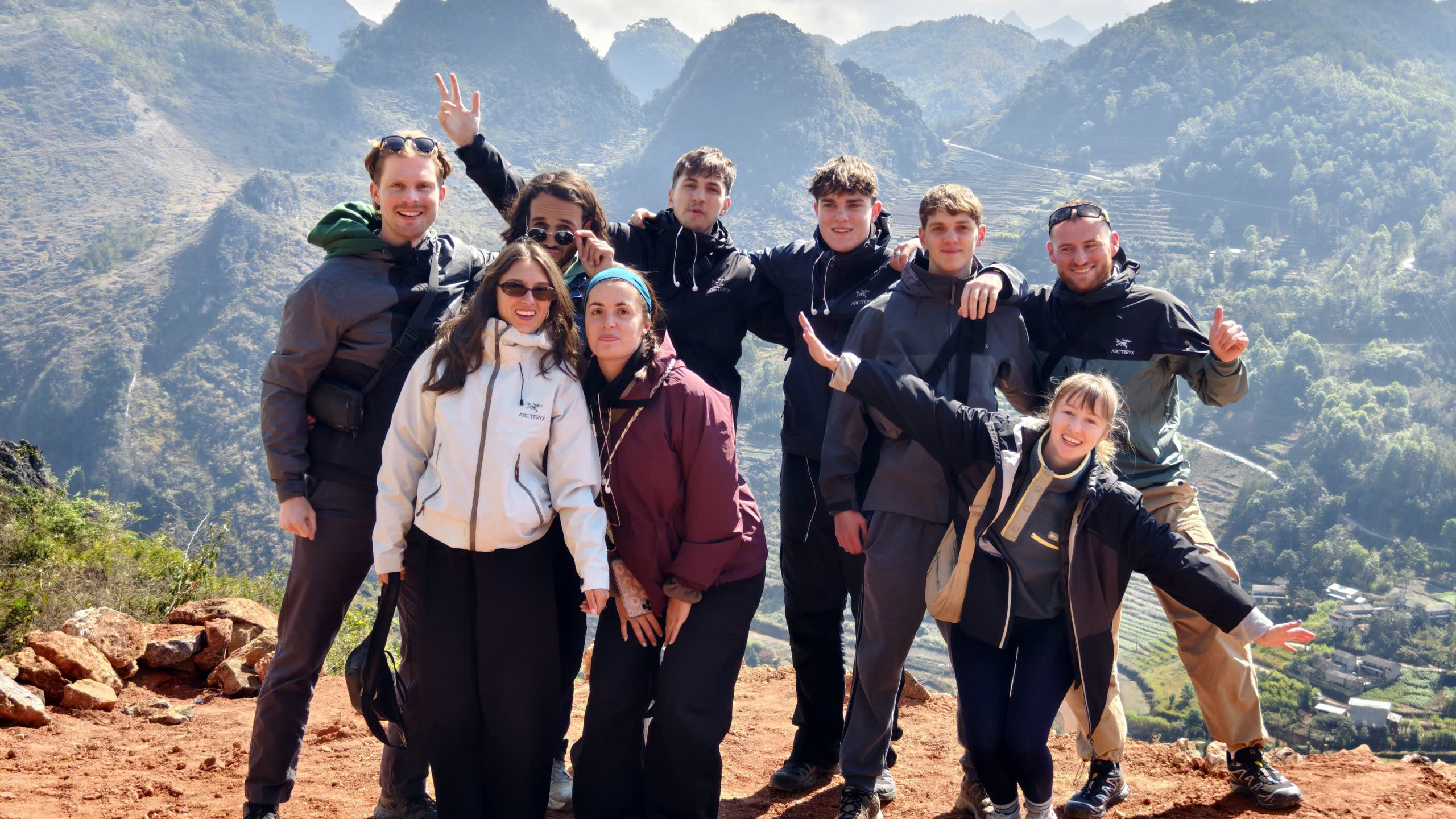
May and June bring warmer conditions and increasingly green landscapes.
Rice fields, corn farms, and forested valleys begin looking fuller. Water appears across terraces and agricultural areas during the planting season.
Vietnam Tourism describes April through June as generally pleasant and warm.
The midday sun can become strong, especially on exposed roads. Travelers should use sunscreen, sunglasses, and breathable clothing.
Hydration becomes increasingly important during longer riding days.
Rain showers may arrive quickly. Waterproof covers should protect phones, cameras, passports, and personal belongings.
These months suit visitors who enjoy fresh greenery and active rural landscapes.
The road feels alive during this period. Farmers return to their fields, water reflects the sky, and mountains deepen in colour.
However, travelers should avoid relying on sunshine alone. Rain gear remains essential throughout the journey.
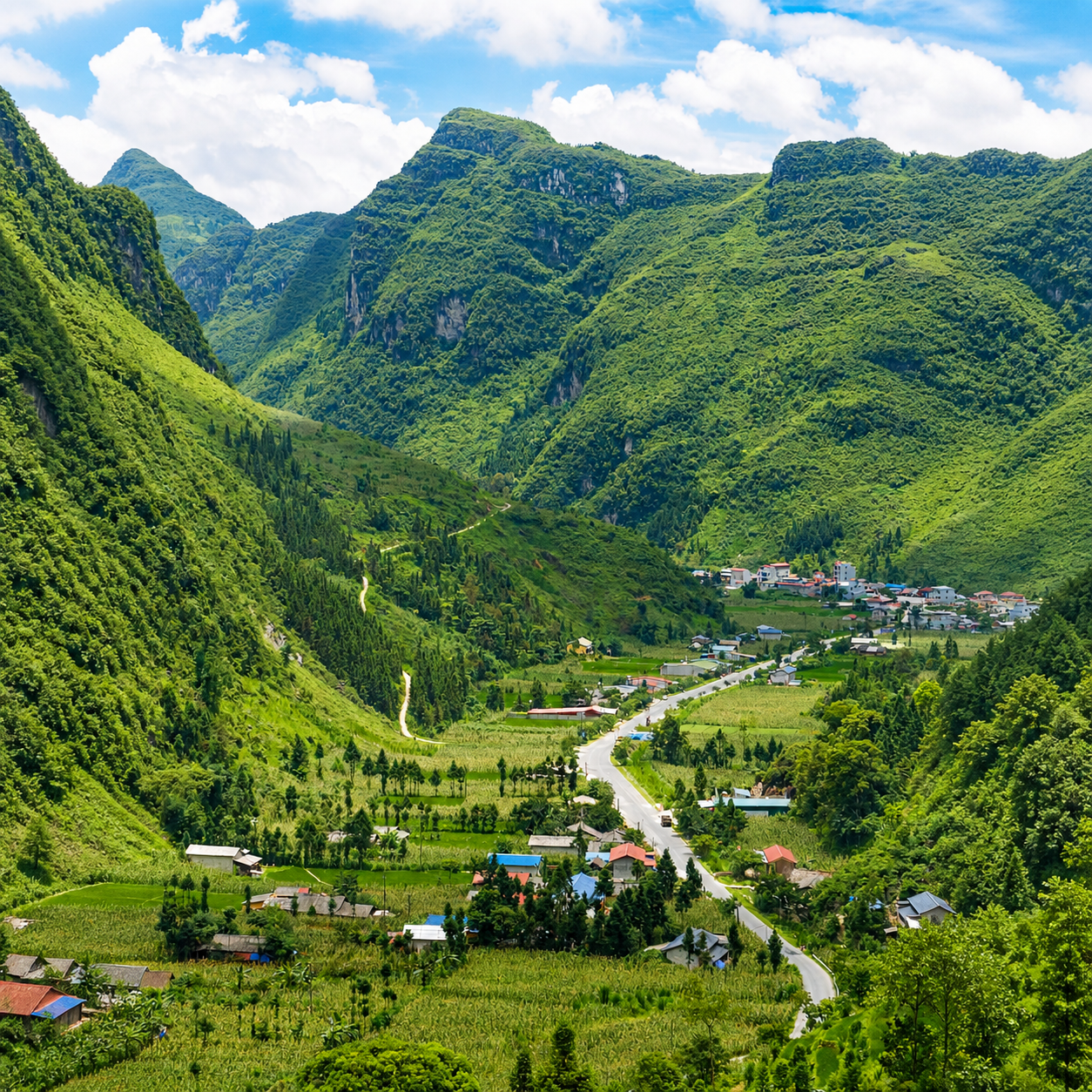
July and August usually bring heat, humidity, and regular monsoon rain.
Vietnam Tourism specifically notes that these months can become very hot, with frequent monsoon conditions.
Rain transforms the region a powerful green world. Waterfalls become stronger, rivers rise, and vegetation covers the mountains.
The scenery can look spectacular. However, heavy rain may reduce visibility and affect road surfaces.
Loose stones, mud, standing water, and minor landslides can appear after prolonged rainfall. Local conditions should always guide daily travel decisions.
The National Center for Hydrometeorological Forecasting publishes official forecasts and warnings for the Ha Giang area. Travelers should review these before departure.
Summer travelers need reliable rain protection, quick-drying clothing, and waterproof luggage covers.
Never pressure a driver to continue during unsafe weather. Waiting is sometimes the most responsible part of an adventure.
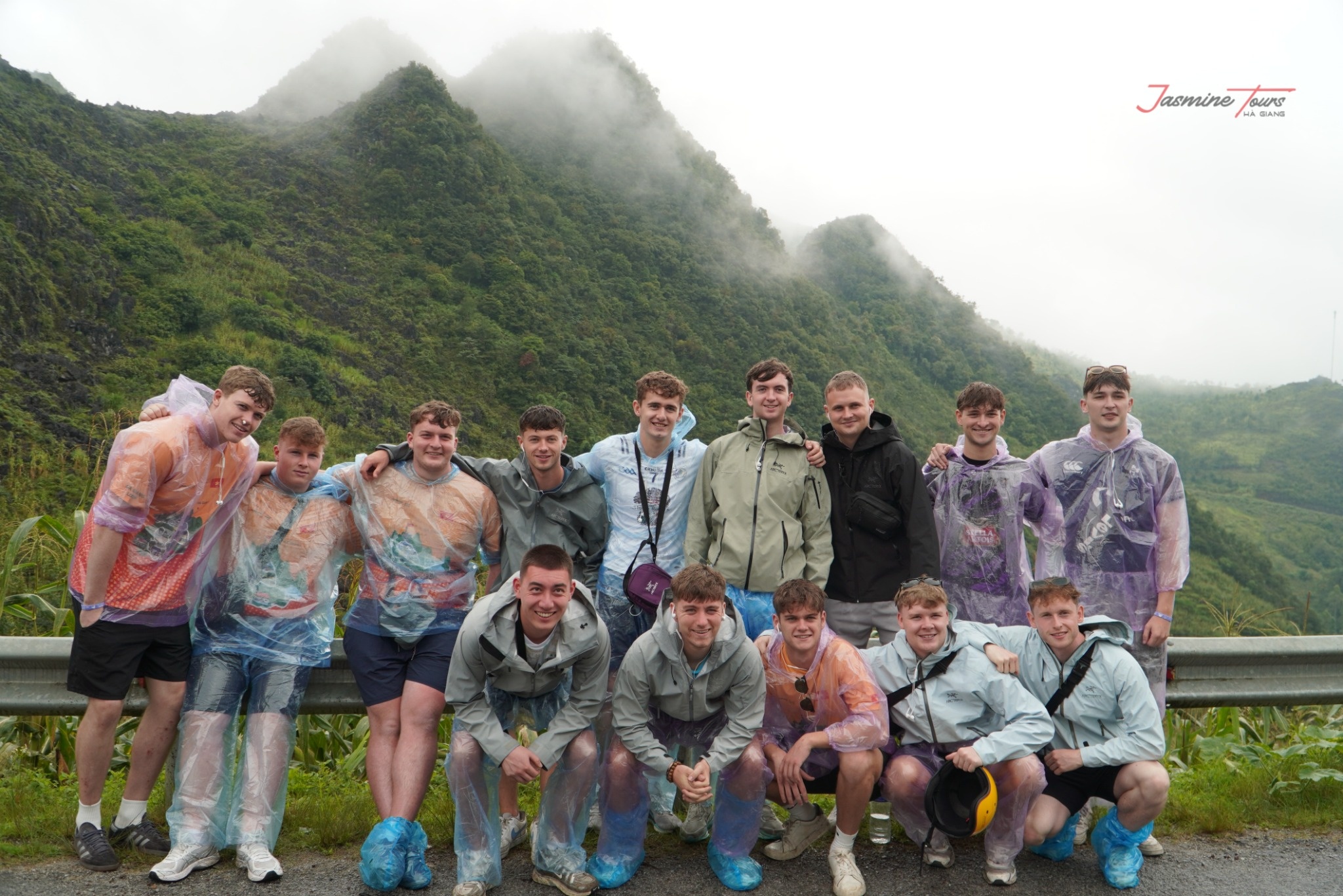
September through November is among the most popular travel periods.
Vietnam Tourism recommends these months because temperatures become cooler. November also attracts visitors during the buckwheat flower season.
September may reveal golden rice fields in selected valleys and terraced areas. Harvest timing varies by location and yearly conditions.
October and November bring cooler mornings and colourful flower landscapes.
UNESCO highlights October and November for pinkish-white buckwheat flowers across hillsides and terraces.
These months often suit travelers seeking comfortable riding conditions and clearer mountain scenery.
However, popular destinations may become busier. Accommodation and transport should be arranged early during major festivals.
Bring light daytime layers and a warmer jacket for evenings.
Autumn feels like the mountains are breathing more slowly. The skies soften, the air cools, and each valley appears carefully painted.

7. December: Quiet Roads and Winter Atmosphere
December marks the return of colder mountain conditions.
Early mornings and evenings can feel particularly cold on open motorbikes. Wind increases the cooling effect during longer riding sections.
Fog may appear across passes, especially during changing conditions.
This month suits travelers who prefer quieter roads and a peaceful atmosphere. Villages feel calm, while shared evening meals become especially comforting.
Warm clothing should include thermal layers, a fleece, long trousers, and a windproof outer jacket.
Gloves and warm socks can significantly improve comfort.
Do not assume daytime sunshine guarantees a warm evening. Temperatures can feel very different after sunset.
Winter turns the mountains a quieter story. Smoke rises village kitchens, clouds rest on the peaks, and every warm meal feels precious.
8. What Is the Best Time for Your Travel Style?
The best season depends on your personal priorities.
Choose January or February for blossoms, mist, and a quieter winter atmosphere.
Choose March or April for moderate spring conditions and fresh scenery.
Choose May or June for warm days and increasingly green landscapes.
Choose July or August for powerful waterfalls and deep summer colours. Prepare carefully for heavy rain.
Choose September through November for cooler conditions, harvest scenery, and buckwheat flowers.
There is no completely perfect month. Every season offers beauty and limitations.
The best Ha Giang Weather is the weather matching your expectations.
Photographers may prefer seasonal flowers or mist. Adventure travelers may enjoy dramatic summer landscapes.
Families and older travelers may prioritise milder conditions. A Jeep can provide greater comfort during cold, rain, or changing weather.
Your calendar should follow your travel style, not only popular social media advice.
Jasmine Tours created Plant Today – Green Tomorrow to connect travel with environmental protection.
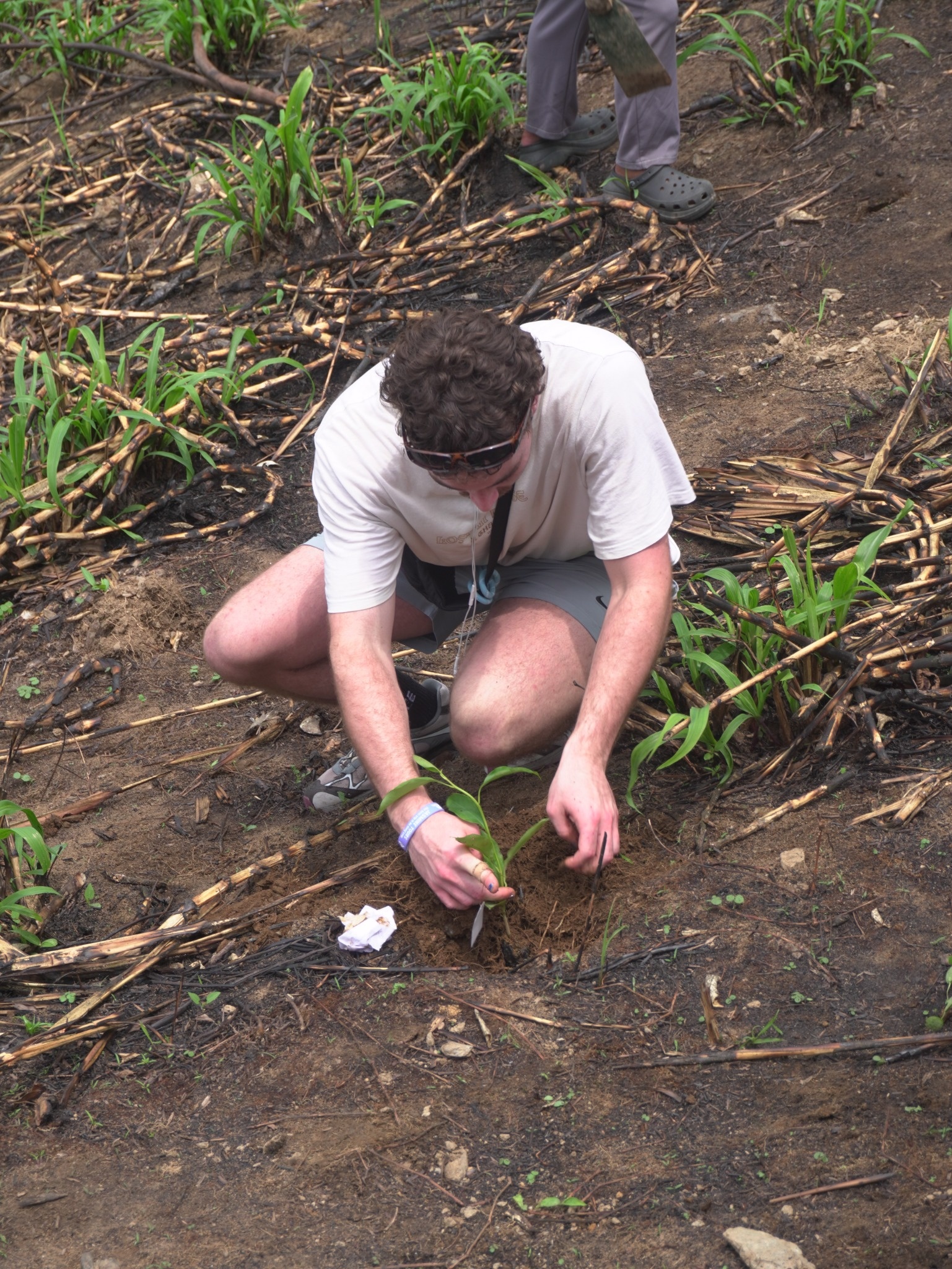
On selected journeys, travelers receive a young tree and plant it with local Easy Riders. The activity takes place in designated areas suitable for long-term growth.
A small tree may look fragile beside Ha Giang’s mountains. Yet every forest begins with one seedling.
These trees can help protect soil, reduce erosion, and restore local vegetation. They also give travelers a meaningful way to thank the land they explore.
Jasmine Tours aims to plant 10,000 trees in 2026.
Through this project, guests leave more than tire tracks behind. Long after the journey ends, their trees can continue growing among the mountains.
Ha Giang Weather does not follow one simple pattern.
It changes between valleys, plateaus, passes, villages, and seasons. These changes create both beauty and responsibility.
Spring brings blossoms and fresh landscapes. Summer paints the mountains in powerful shades of green.
Autumn offers cooler air, harvest scenery, and buckwheat flowers. Winter carries mist, silence, and unforgettable mountain mornings.
With Jasmine Tours, travelers can an Easy Rider, motorbike, Jeep, or private journey. The right choice depends on weather, experience, health, and comfort.
Always check an official forecast shortly before departure. Follow local guidance when rain or fog affects the road.
The mountains cannot promise perfect skies.
They offer something more meaningful: a different story in every season.
Travel prepared, remain flexible, and allow the changing sky to become part of your journey.
There is 0 comment, review about Ha Giang Weather : Best Time to Visit and Monthly Travel Guide
TVQuản trị viênQuản trị viên
Xin chào quý khách. Quý khách hãy để lại bình luận, chúng tôi sẽ phản hồi sớm