
Shopping cart,
0 products
There are no products in your shopping cart.
Nội dung bài viết
Pac Bo Historical Site Cao Bang In February 1941, after thirty years of exile, President Ho Chi Minh crossed the northern border and returned to his homeland. His destination was Pac Bo, a remote valley in Cao Bang surrounded by dense forests and high limestone mountains.
Here, far the noise of the world, he found refuge, safety, and purpose. He lived in a small cave — Coc Bo — beside a clear stream he would later name Lenin Stream, and faced a mountain he called Karl Marx Peak. In this isolated wilderness, the foundation of the Vietnamese revolution was quietly laid.
Pac Bo was more than a hiding place; it was a birthplace — where dreams took form, and the light of freedom began to glow amidst hardship and hunger.
The road to Pac Bo is a winding path through mountains and ethnic villages. Travelers Cao Bang City journey about 55 kilometers north, crossing terraced fields and misty passes, before arriving at a tranquil valley that seems untouched by time.
The landscape is both peaceful and profound. Birds sing over jade-green rice paddies, and the sound of water flows softly through the forest. It is easy to imagine how this beauty could inspire strength and faith in a weary revolutionary returning home.
Every rock and tree here holds memory — of footsteps, of meetings, of words whispered in secrecy that would later echo across the world.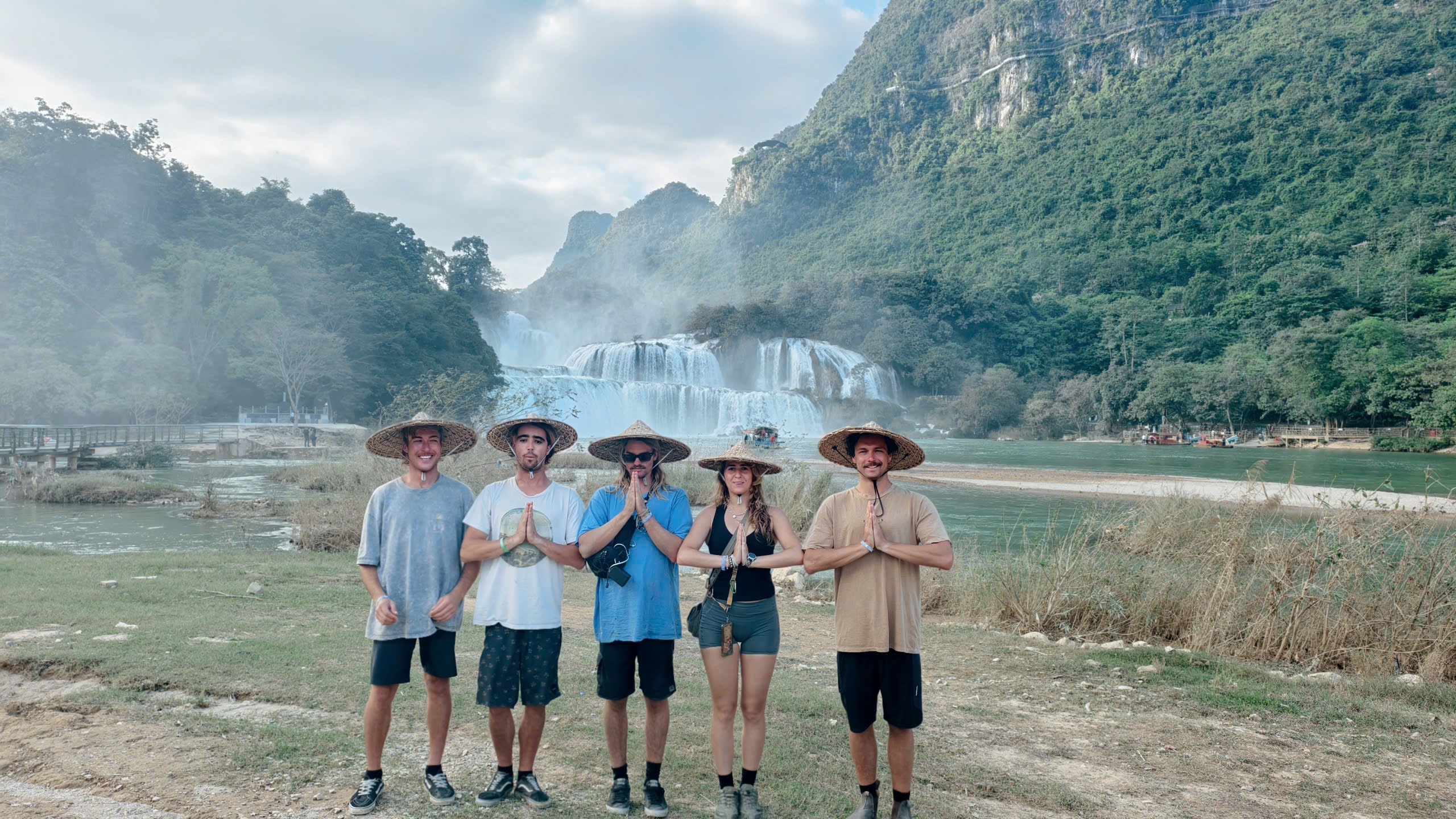
At the heart of Pac Bo lies Coc Bo Cave, where Ho Chi Minh lived and worked 1941 to 1945. The cave is small, damp, and modest — yet it carried within it the future of a nation.
Inside, visitors can still see the stone bed where he slept, the bamboo table where he translated revolutionary documents, and the fireplace where he cooked simple meals of corn and wild vegetables.
Standing in that space today, one cannot help but feel a quiet reverence. The cave is not merely a historical site — it is a testament to humility and determination. It reminds every visitor that greatness often begins in the humblest of places.
Nature in Pac Bo is not a backdrop — it is a companion in history. The gentle Lenin Stream still flows as it did when Uncle Ho washed his face in its water each morning. The mighty Karl Marx Peak still stands guard over the valley, a symbol of unshakable ideals.
Between them lies the spirit of Pac Bo: harmony between man and nature, between belief and reality. When Ho Chi Minh said, “In the morning I visit Lenin, in the afternoon I meet Karl Marx,” it was not only humor; it was a reflection of his lifelong dedication to ideals that transcended borders.
Life in Pac Bo was extremely difficult. Food was scarce, the nights were cold, and danger was constant. Yet Ho Chi Minh remained steadfast. He worked tirelessly — writing, teaching, organizing the first cadres of the Viet Minh — and building the foundation of an independent Vietnam.
He once said, “The revolution is not a banquet, but it must begin with the people.” In Pac Bo, he lived among villagers, shared their meals, and taught them literacy and revolutionary songs. That connection between leader and people became the soul of Vietnam’s struggle for independence.
Every corner of Pac Bo carries a lesson. The cave teaches simplicity. The stream teaches patience. The mountains teach endurance.
To walk the trails of Pac Bo is to walk through Vietnam’s living history — not the grand halls of power, but the humble beginnings that shaped a nation’s character.
For many students and travelers, visiting Pac Bo is like stepping a classroom of the heart — where history breathes, and are not told but felt.
Each season paints Pac Bo in a different light.
Spring brings blossoms and fresh green leaves, a symbol of new beginnings.
Summer fills the valleys with mist and songbirds.
Autumn turns the forest gold, the stream reflecting the color of ripened rice.
Winter, though cold, carries a deep silence — a reminder of those hard years of endurance and hope.
No matter the season, the spirit of Pac Bo never fades. It endures — timeless, serene, and steadfast, like the ideals born here.
To visit Pac Bo today is to travel not just through space, but through time. The site is well preserved, with paths leading to Lenin Stream, Karl Marx Peak, Coc Bo Cave, and the Pac Bo Museum. Exhibits show original artifacts — handwritten letters, photos, and simple tools used by Ho Chi Minh and his comrades.
The entrance fee is small, yet the experience is priceless. Many visitors, after walking the trail, choose to sit by the stream — silent, reflective, and grateful. They realize that freedom was not given, but earned, through sacrifice and perseverance.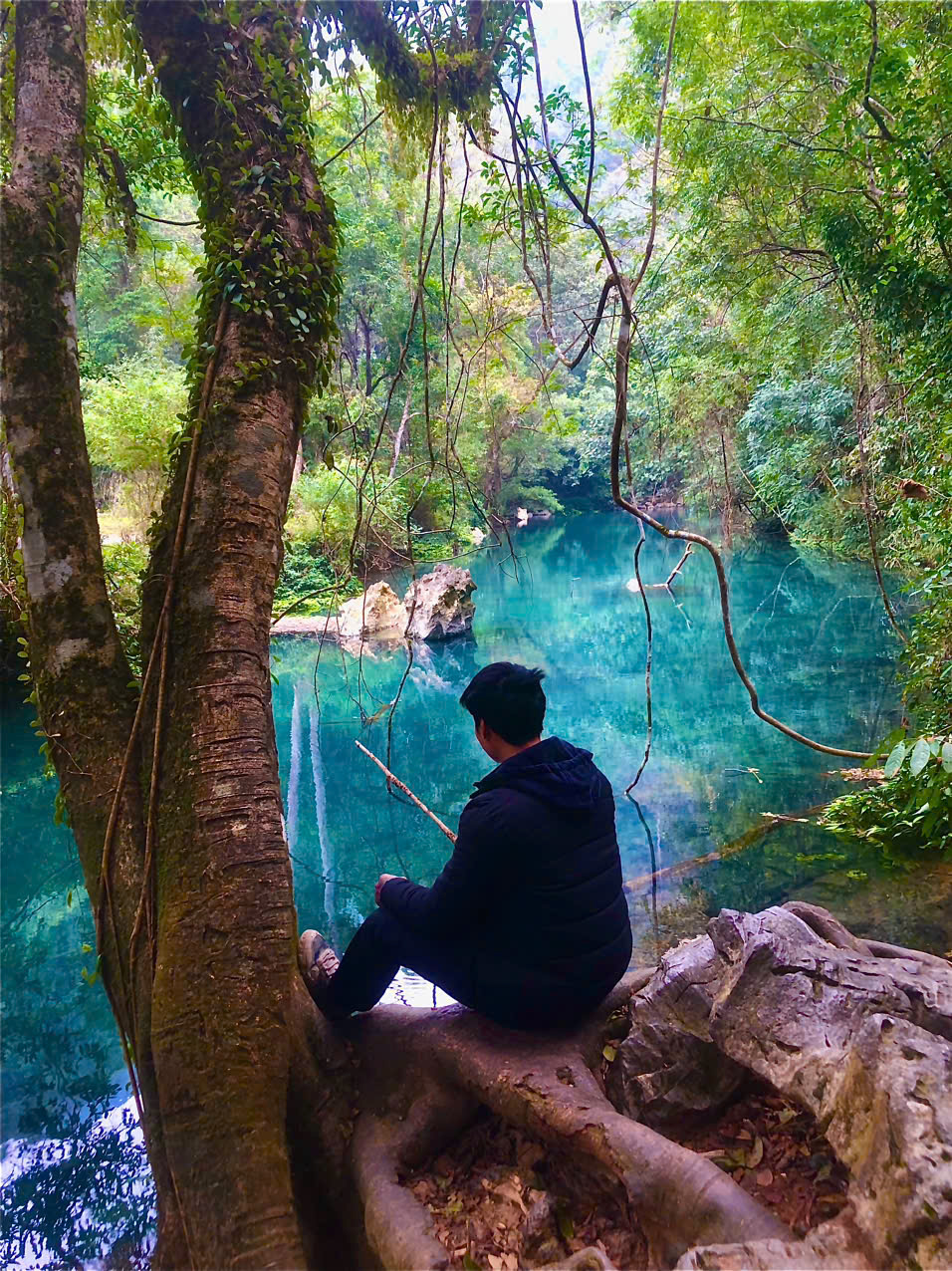
Pac Bo Historical Site Cao Bang — it is a cradle of the Vietnamese spirit. It represents the moment when hope triumphed over despair, when vision triumphed over exile.
As you leave, the image of the cave and the sound of flowing water stay in your mind, whispering the same message that carried through decades:
Faith, simplicity, and perseverance can move mountains.
Pac Bo Historical Site Cao Bang remains eternal — not only as the birthplace of a revolution, but as a reminder of how one man’s dream became the destiny of a nation.
There is 0 comment, review about pac-bo-historical-site-cao-bang
TVQuản trị viênQuản trị viên
Xin chào quý khách. Quý khách hãy để lại bình luận, chúng tôi sẽ phản hồi sớm