
Shopping cart,
0 products
There are no products in your shopping cart.
Nội dung bài viết
Hidden in the far north of Vietnam, Non Nuoc Cao Bang Geopark is more than a scenic wonder — it is a living museum of time. Recognized by UNESCO in 2018 as a Global Geopark, this vast region spans over 3,000 square kilometers, encompassing spectacular karst landscapes, mysterious caves, ancient fossils, and a tapestry of ethnic cultures that have coexisted with nature for thousands of years.
Here, every mountain, every river, and every village tells a story — not just of geology, but of humanity. To travel through Non Nuoc Cao Bang is to embark on a journey through 500 million years of Earth’s history, wrapped in the warm hospitality of Vietnam’s northern highlands.
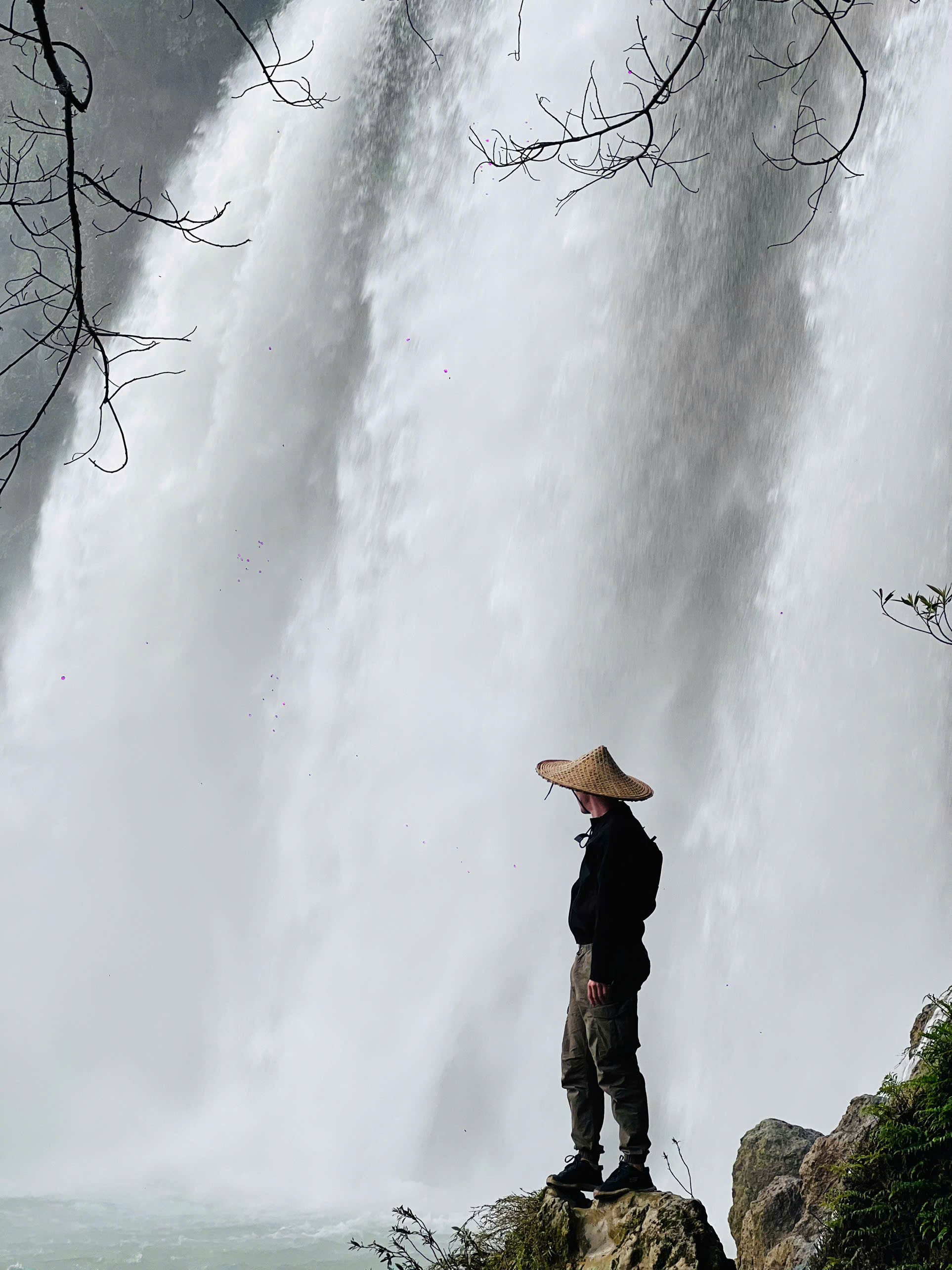
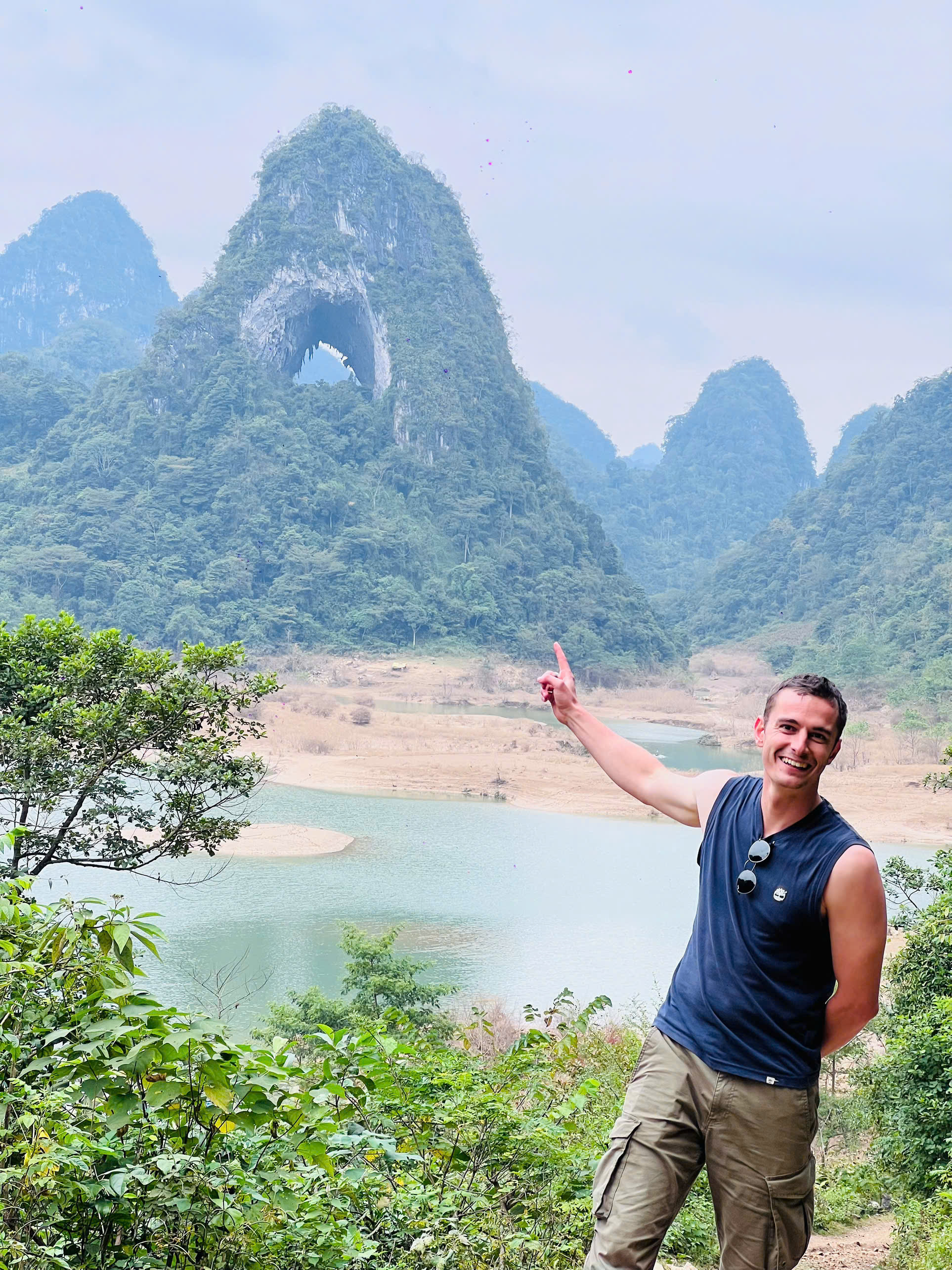
The landscapes of Non Nuoc Cao Bang are shaped by karst formations — dramatic limestone mountains rising like stone cathedrals against the sky. Over millions of years, wind and rain have sculpted cliffs, caves, and valleys a world that feels both ancient and alive.
Among these natural wonders flows the Quây Sơn River, a ribbon of turquoise water that winds through the valley, reflecting the green peaks and the golden glow of the sun. It is this river that feeds Bản Giốc Waterfall, one of Southeast Asia’s largest and most magnificent waterfalls — where water cascades in white silk sheets down a 30-meter drop, creating a thunderous yet peaceful symphony.
Each bend of the river, each stone in the water, tells the story of time — of the earth’s shifting plates, of erosion and rebirth, of nature’s endless patience.
Beyond its geological splendor, Non Nuoc Cao Bang is home to nine ethnic groups, including the Tày, Nùng, Dao, and H’Mông, whose traditions, songs, and architecture form an inseparable part of the park’s identity.
Villages like Phúc Sen, known for its ancient blacksmithing craft, offer glimpses a living heritage that has been passed down for generations. In Ngườm Ngao Cave, locals tell stories of the spirits that dwell within its glowing stalactites — a spiritual connection that blends science with soul.
Travelers are often invited to share a meal in a wooden stilt house, taste homemade corn wine, or listen to traditional folk songs under the moonlight. Here, nature and culture do not simply coexist — they breathe together.
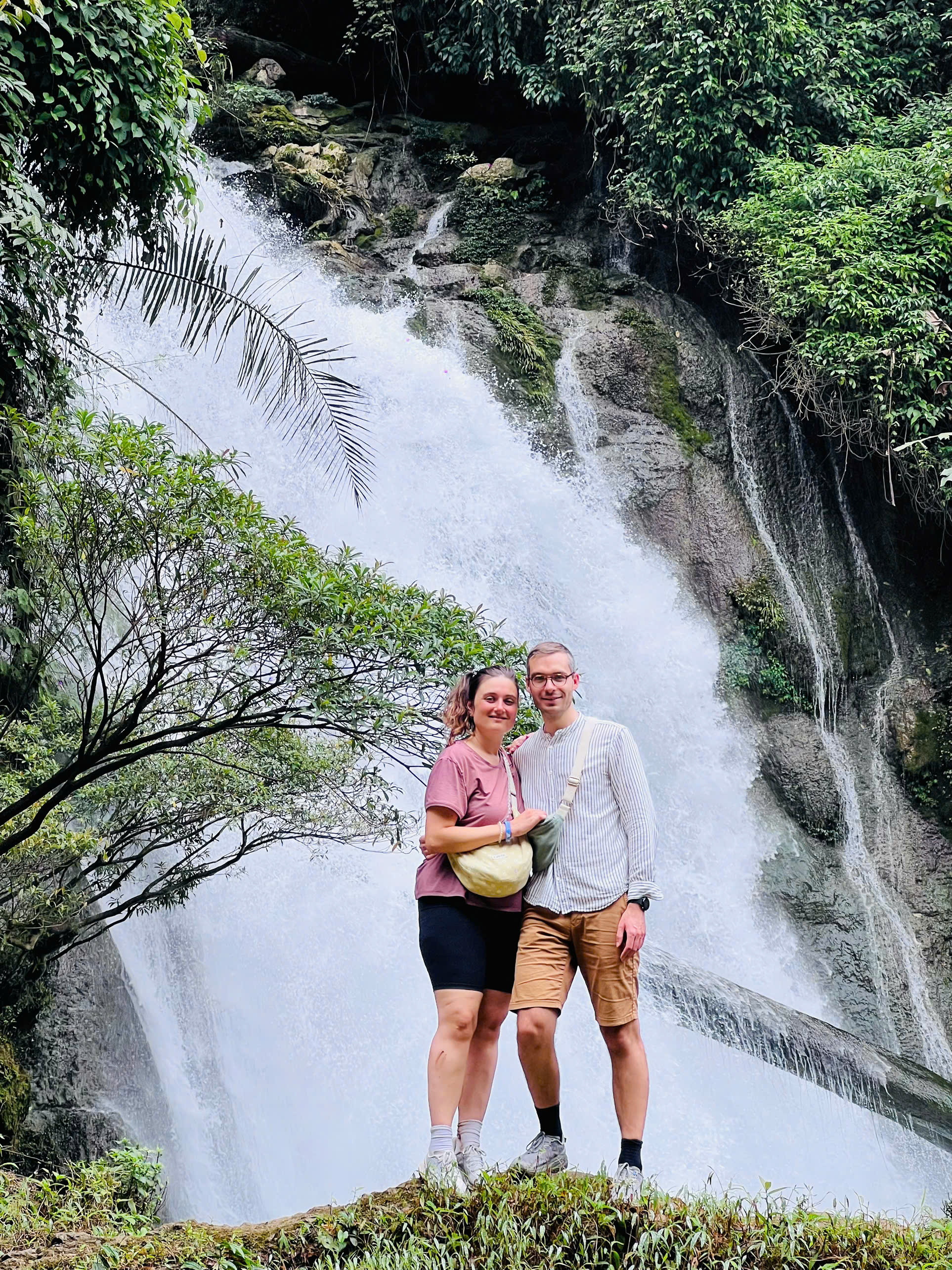
Within the geopark lies one of Vietnam’s most revered landmarks: Pác Bó Historical Site, where President Hồ Chí Minh lived and worked upon returning to Vietnam in 1941. Beside the tranquil Lê-nin Stream and Cốc Bó Cave, he began the struggle for national independence — proving that even the quietest corners of the mountains can become the cradle of great revolutions.
Visiting Pác Bó is to feel the pulse of history still beating in the air. The emerald stream, the cool cave, and the surrounding forest remain as they were eight decades ago — serene, pure, and full of meaning.
Only a few kilometers Bản Giốc Waterfall lies Ngườm Ngao Cave, a natural wonder that stretches over 2,000 meters beneath the limestone peaks. Inside, the stalactites and stalagmites form dazzling patterns that resemble giant flowers, coral reefs, and mythical creatures.
The name “Ngườm Ngao,” meaning “Tiger’s Cave,” comes the roaring sound of underground streams echoing within — nature’s own music in the dark. Walking through this illuminated cavern feels like stepping another world, where time slows and imagination awakens.
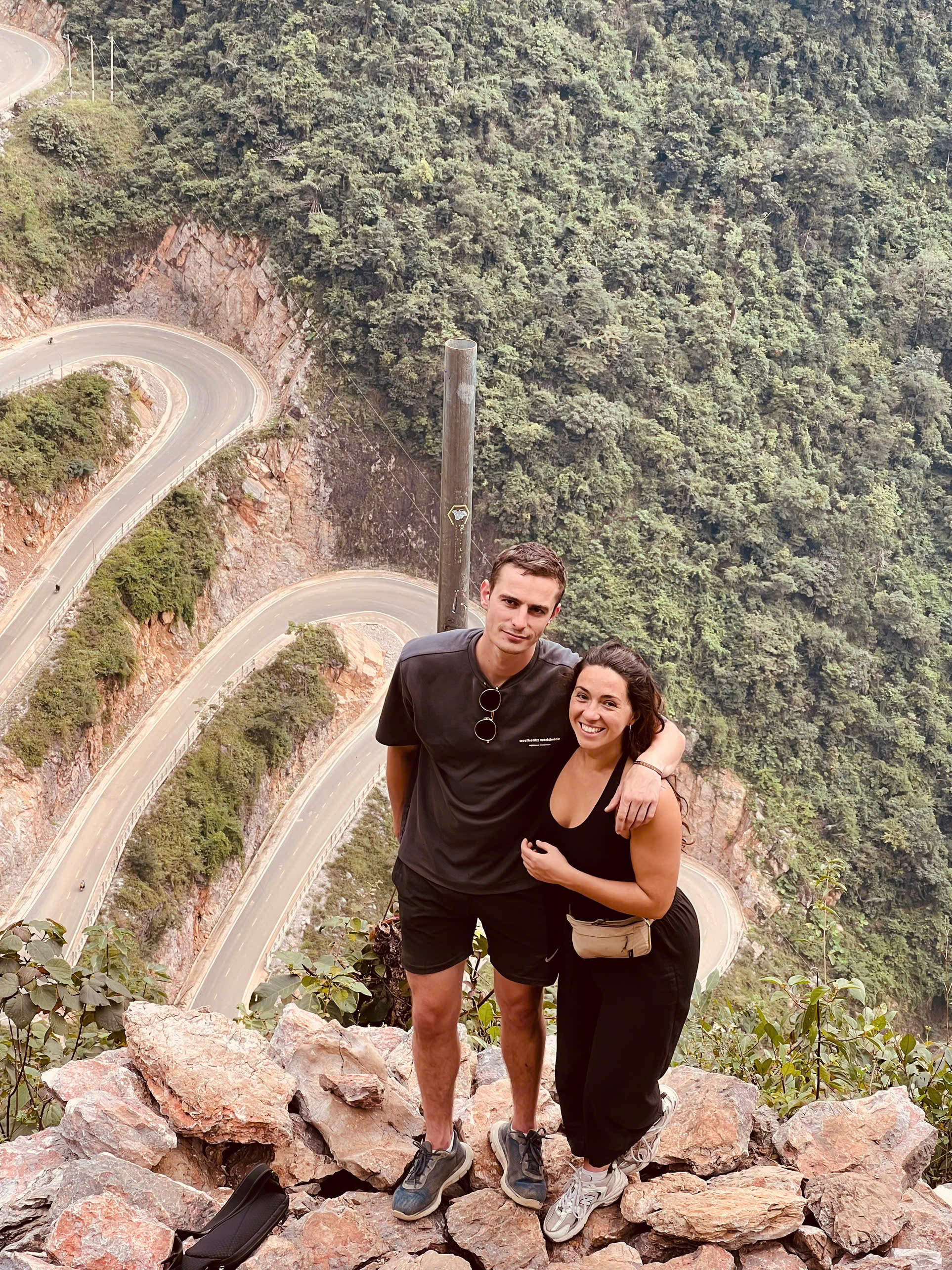
The routes that lead through Non Nuoc Cao Bang Geopark are some of Vietnam’s most scenic. Whether by motorbike, car, or bicycle, every turn unveils new horizons — the quiet charm of Trùng Khánh’s valleys, to the emerald forests of Thạch An, and the winding elegance of Mã Phục Pass.
Along the way, rice terraces shimmer under the sun, water buffalo graze lazily in the fields, and children wave to travelers with wide smiles. The air smells of wildflowers and fresh rain. It’s not just a journey through space — it’s a journey through life itself.
UNESCO recognized Non Nuoc Cao Bang not just for its natural beauty, but for its harmonious relationship between humans and nature. For centuries, the people here have lived with respect for the land — using its resources sustainably, building homes that blend with the terrain, and honoring the mountains as sacred guardians.
That balance is what makes Non Nuoc Cao Bang so special. It is a place where you can feel both the immensity of geological time and the intimacy of daily life. A place that teaches us how to live humbly, in rhythm with the earth.
The best time to visit is September to November or March to May, when the weather is cool, clear, and perfect for outdoor exploration. During these months, the rice fields are golden, the waterfalls full, and the skies endlessly blue.
If you visit in spring, you’ll find peach blossoms and plum flowers scattered across the hills — turning the mountains a pastel dreamscape.
Hà Nội, travelers can take an overnight bus or private car to Cao Bằng City (about 7 hours). there, the geopark can be explored by motorbike tour, private car, or with a local guide. Companies like Jasmine Tours offer multi-day trips combining Hà Giang Loop and Cao Bằng routes, allowing visitors to experience both the thrill of adventure and the serenity of discovery.
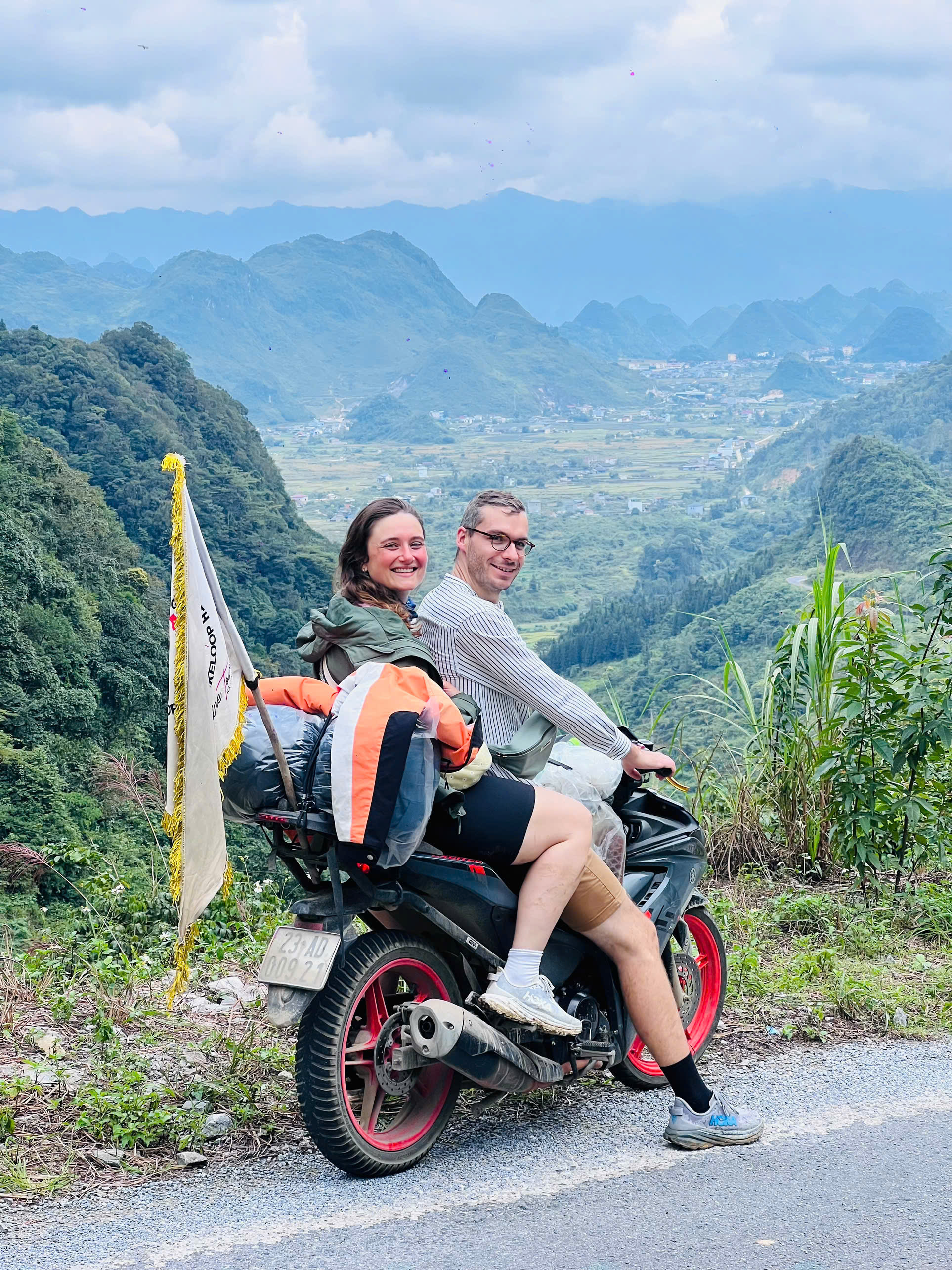
In the end, Non Nuoc Cao Bang Geopark is not just a place to visit — it is a place to feel. It is a living symphony of stone, water, and people; a land where the earth tells stories older than history, and the human heart finds peace among the mountains.
Standing on a high pass at sunset, watching the clouds drift over the karst peaks, you realize that this land is timeless — untouched by hurry, unshaken by age. Here, nature doesn’t just exist — it remembers.
Non Nuoc Cao Bang Geopark is where Vietnam’s natural beauty and human spirit unite — a destination that humbles, inspires, and stays with you long after you leave.
Watch this journey come alive with Jasmine Tours — experience the breathtaking beauty of Non Nuoc Cao Bang Geopark through our exclusive travel video.
There is 0 comment, review about Non Nuoc Cao Bang Geopark – The Hidden Gem of Northern Vietnam
TVQuản trị viênQuản trị viên
Xin chào quý khách. Quý khách hãy để lại bình luận, chúng tôi sẽ phản hồi sớm