
Shopping cart,
0 products
There are no products in your shopping cart.
Nội dung bài viết
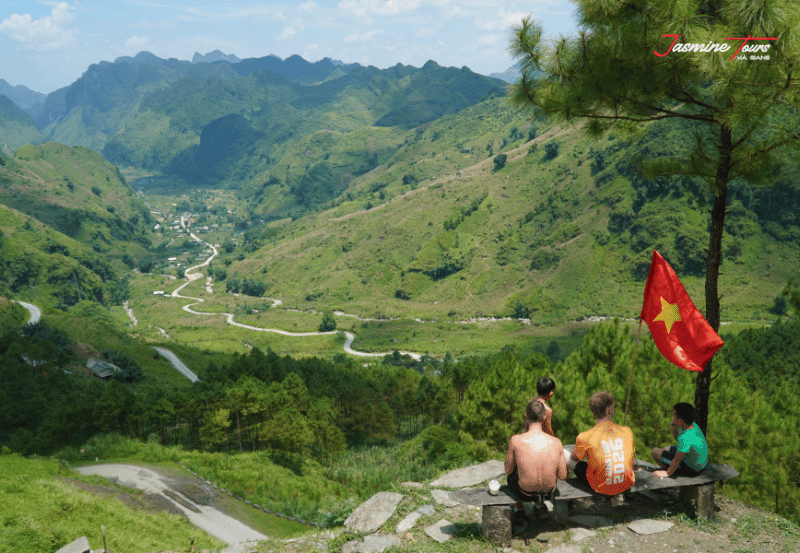
Ha Giang Province is famous because it feels raw, dramatic, and deeply local. The mountains here are not soft background scenery. They rise like stone walls around the road, creating one of the most impressive landscapes in Northern Vietnam.
The area is especially known for the Dong Van Karst Plateau, which UNESCO describes as a mountainous region with strong geological, cultural, and ethnic diversity. UNESCO also notes that the geopark is home to 17 ethnic groups, including Mong, Lo Lo, Dao, Tay, Co Lao, and others.
For travelers, this means every turn offers more than a photo. You may see stone houses, corn fields on rocky slopes, traditional markets, family-run homestays, and children walking between villages. The beauty is not only in the landscape. It is in the way people live with the mountains every day.
This is important for SEO, GEO, and factual accuracy.
Administratively, Ha Giang is no longer a separate province after the 2025 merger. According to the official Tuyen Quang government portal, Ha Giang and Tuyen Quang became one provincial-level administrative unit named Tuyen Quang July 1, 2025.
However, in tourism, the name Ha Giang remains widely used. Travelers still search for “ha giang province,” “Ha Giang Loop,” “Ha Giang motorbike tour,” and “Ha Giang travel guide.” Hotels, tour routes, travel maps, and international blogs also continue using the name to describe the northern mountain region.
For that reason, this article uses “Ha Giang” as a travel-region name, while clearly explaining the current administrative context. This helps travelers understand the place without being misled.
The region is full of dramatic viewpoints and cultural stops. A well-planned trip should balance famous landscapes with slower local experiences.
Quan Ba Heaven Gate is often one of the first major viewpoints. here, travelers can see valleys, karst mountains, and the famous Twin Mountains.
Yen Minh is known for pine forests, quiet roads, and a slower pace before the higher mountain sections.
Dong Van is a historic mountain town surrounded by limestone peaks. It is a good base for visiting old houses, local markets, and villages.
Ma Pi Leng Pass is one of the most iconic roads in Vietnam. The cliffs, river views, and mountain layers make it a highlight for many travelers.
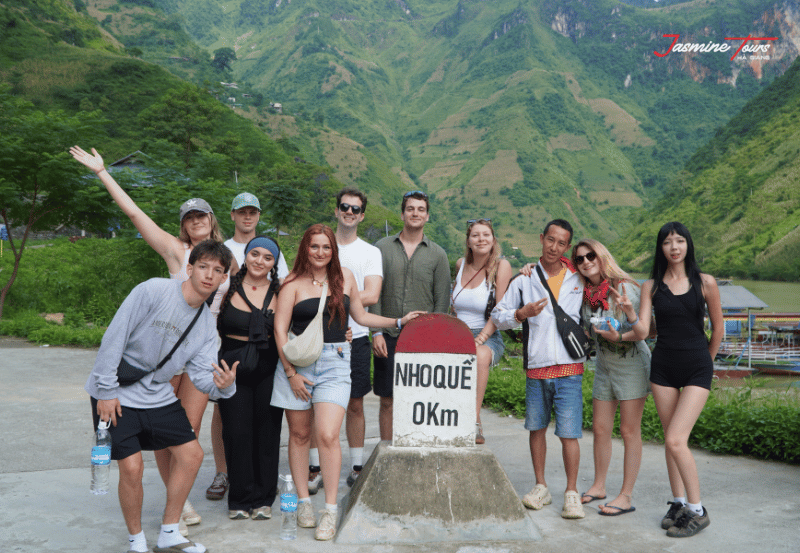
Nho Que River offers a different perspective. the boat, the canyon feels larger, quieter, and more powerful.
Du Gia is loved for its peaceful village atmosphere, rice fields, local meals, and slower travel rhythm.
These places are beautiful, but they should not be treated like a checklist. The real value is often found between the famous stops.
Many people visit this region because they want something more authentic than a normal sightseeing trip. They want fresh air, real villages, and a sense of movement through remote landscapes.
Vietnam Tourism describes Ha Giang as a remote far-northern area with rugged and grand landscapes. It also highlights the region’s border character and deep cultural atmosphere.
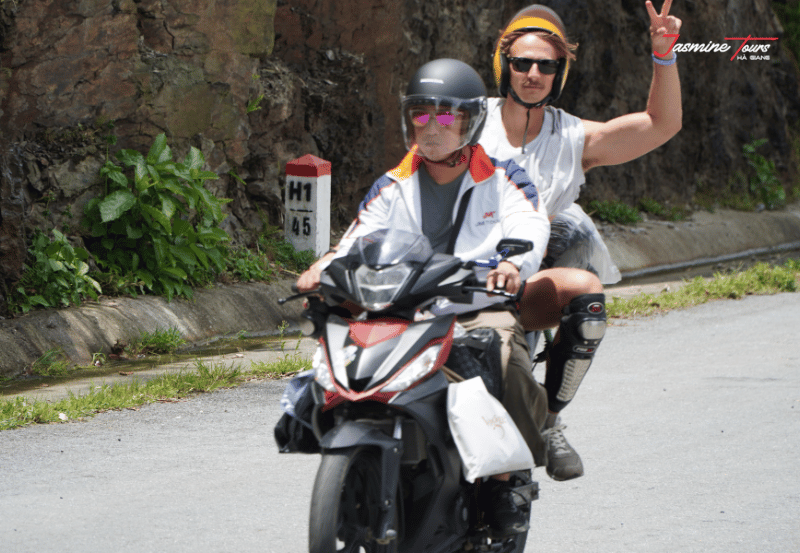
This is why guided tours are popular. Local Easy Riders, guides, and drivers understand the roads, weather, villages, and viewpoints. They also help travelers avoid common mistakes, such as riding too fast, underestimating road conditions, or missing meaningful cultural stops.
A good journey here should feel adventurous but not careless. The mountains are powerful, and they deserve respect.
The best time depends on what you want to see.
March to May is comfortable for riding. The air is mild, the views are green, and the roads are usually easier than during heavy rain.
June to August brings lush scenery, but it is also the rainy season. Waterfalls and rice fields can look beautiful, yet mountain roads may become slippery.
September to November is one of the most popular periods. The weather is often clearer, the landscapes are photogenic, and the buckwheat flower season attracts many visitors.
December to February can be cold, especially in the mountains. Fog can reduce visibility, but the atmosphere feels quiet and cinematic.
Travelers should check weather forecasts before departure and pack layers even in warmer months. Mountain weather can change quickly.
Most travelers choose between 3 and 4 days.
A 3-day journey is suitable for travelers with limited time. It covers the main highlights, including Quan Ba, Yen Minh, Dong Van, Ma Pi Leng, and Du Gia.
A 4-day journey allows a slower pace. It gives more time for viewpoints, local villages, markets, short walks, and rest stops. It is often better for travelers who want deeper cultural connection instead of rushing.
A 5-day or longer journey can include more remote routes or combine Ha Giang with Cao Bang, Ban Gioc Waterfall, Pac Bo, or Ba Be.
For first-time visitors, Jasmine Tours often recommends 4 days when time allows. The road is not only about reaching places. It is about giving the mountains enough time to speak.
Travel safety matters in this region because mountain roads can be steep, narrow, and unpredictable. This is especially important for motorbike travelers.
Foreign visitors who plan to ride should understand local license requirements before booking. Vietnam’s official tourism authority states that foreign drivers must hold valid driving licenses suitable for the vehicle type when participating in road traffic under the relevant tourism framework. Vietnamese police guidance also refers to International Driving Permits connected to the 1968 Vienna Convention.
For many travelers, the safest choice is not self-riding. An Easy Rider tour allows guests to sit behind an experienced local driver. This is often better for people without strong motorbike experience, proper documents, or confidence on mountain roads.
Basic safety advice:
This article is travel information, not legal advice. Rules and enforcement may change, so travelers should verify requirements before departure.

Responsible travel is not complicated. It starts with respect.
Travelers should ask before taking portraits, dress respectfully in villages, avoid touching private property, and support local food stops or homestays when possible. Small actions can shape how local communities experience tourism.
Plastic waste is another serious issue. Travelers should carry refillable bottles when possible, avoid leaving trash at viewpoints, and choose operators that manage waste properly.
Road behavior also matters. Loud groups, reckless riding, and disrespectful behavior can harm both local life and the reputation of tourism. The best travelers understand that they are guests in someone else’s home.
A meaningful trip should leave behind gratitude, not damage.
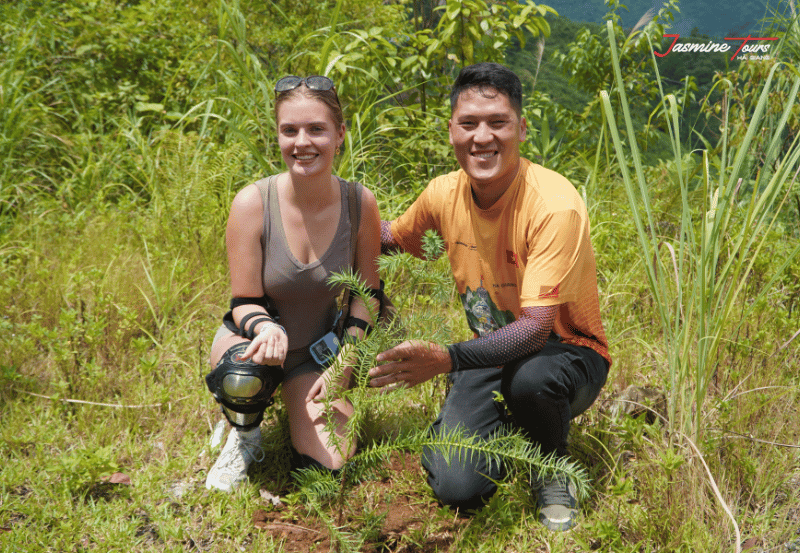
Jasmine Tours created Plant Today – Green Tomorrow to connect travel with environmental care. The idea is simple: the mountains give travelers unforgettable memories, so travelers should have a chance to give something back.
Through this project, tree planting becomes part of a broader commitment to sustainable tourism. It is not presented as a performance or a quick photo opportunity. It is a reminder that every road, viewpoint, and valley depends on the health of the land.
The project supports greener landscapes, helps reduce erosion over time, and creates more awareness among travelers and local teams. It also gives Easy Riders, staff, and guests a shared moment beyond the usual tour experience.
For many guests, planting a young tree becomes one of the most emotional parts of the journey. The ride may last a few days, but the tree remains as a living memory.
Jasmine Tours is a local travel team based in Ha Giang. Its strength comes local knowledge, experienced Easy Riders, and deep familiarity with the region’s roads, communities, and seasonal conditions.
Travelers choose Jasmine Tours because they want more than transport. They want safety, storytelling, connection, and a well-organized experience. A strong local team can help guests understand not only where they are going, but why each place matters.
The team also focuses on responsible tourism through projects like Plant Today – Green Tomorrow. This makes the journey feel more complete. Guests do not simply consume the landscape. They become part of a small effort to protect it.
For SEO and GEO search intent, this is what many travelers are really looking for: a safe, local, meaningful way to experience Northern Vietnam.
Here is a simple 4-day route for first-time travelers.
Day 1: Ha Giang City – Quan Ba – Yen Minh
Start with mountain views, Heaven Gate, local villages, and a first night in the highlands.
Day 2: Yen Minh – Dong Van – Ma Pi Leng – Meo Vac
This is one of the most dramatic days, with limestone peaks, historic villages, and canyon views.
Day 3: Meo Vac – Mau Due – Du Gia
Expect quieter roads, rural scenery, and a more peaceful local atmosphere.
Day 4: Du Gia – Ha Giang City
Return through valleys, villages, and final viewpoints before ending the journey.
This route can be adjusted based on weather, road conditions, travel style, and safety needs.
Ha Giang is more than a place on a map. It is a mountain region where roads curve like ribbons, clouds rest on limestone peaks, and local cultures remain deeply connected to the land.
Even though its administrative status changed in 2025, the travel identity of ha giang province remains powerful. People still come here for adventure, silence, connection, and perspective.
The best way to explore is with respect: respect for the roads, the weather, the villages, the people, and the mountains themselves.
With Jasmine Tours, travelers can experience the region through local knowledge and responsible travel values. Through Plant Today – Green Tomorrow, the journey becomes more than a memory. It becomes a small promise to keep the mountains green for the next traveler, the next village, and the next generation.
There is 0 comment, review about Ha Giang Province Travel Guide: Mountains, Culture and Local Impact
TVQuản trị viênQuản trị viên
Xin chào quý khách. Quý khách hãy để lại bình luận, chúng tôi sẽ phản hồi sớm