
Shopping cart,
0 products
There are no products in your shopping cart.
Nội dung bài viết
The Ha Giang Loop weather is one of the factors that makes this journey so unique. Unlike many other destinations in Vietnam, Ha Giang's mountainous landscape creates a wide range of weather conditions throughout the year. Temperatures, visibility, and even road conditions can change dramatically depending on the season, altitude, and time of day.
The loop passes through several districts, including Quan Ba, Yen Minh, Dong Van, and Meo Vac, many of which sit at elevations of over 1,000 meters above sea level. As a result, the climate is generally cooler than in cities such as Hanoi, Ninh Binh, or Ho Chi Minh City.
Travelers can experience:
Cool and dry winters
Warm summers with occasional rainfall
Pleasant spring temperatures
Comfortable autumn conditions
Morning fog in higher mountain areas
Noticeable temperature drops after sunset
One of the most surprising aspects of the Ha Giang weather is how quickly it can change. You may start your morning under clear blue skies, ride through a mountain pass covered in mist, and finish the day with light rain in a nearby valley. These rapid changes are part of what makes the journey feel so adventurous.
Temperature differences between day and night can also be significant. Even during the warmer months, evenings in places such as Dong Van or Du Gia can feel surprisingly cool. During winter, temperatures in some high-altitude areas may drop close to freezing, especially during cold fronts northern China.
Because of these changing conditions, travelers should always be prepared for multiple types of weather during a single trip. Bringing layers, waterproof clothing, and checking forecasts before departure can help ensure a more comfortable and enjoyable experience on the Ha Giang Loop.

Spring is widely considered one of the best times to experience the Ha Giang Loop. As winter gradually fades away, the mountains come back to life with fresh greenery, blooming flowers, and comfortable temperatures that are ideal for outdoor adventures.
During March and April, daytime temperatures typically range 15°C to 25°C (59°F to 77°F), while evenings and early mornings remain pleasantly cool. The weather is generally stable, with less rainfall than in the summer months, making it an excellent season for motorbike tours, trekking, and sightseeing.
One of the highlights of visiting during spring is the beautiful scenery. Valleys and hillsides become increasingly green, while many wildflowers begin to bloom across the region. The clear air and mild temperatures also create excellent conditions for enjoying famous viewpoints such as Ma Pi Leng Pass, Lung Cu Flag Tower, and Quan Ba Heaven Gate.
Spring weather is particularly popular among first-time visitors because it offers a comfortable balance between clear skies, pleasant riding conditions, and vibrant landscapes. Travelers can spend long days exploring the mountains without worrying about extreme heat, heavy rain, or winter fog.
For those looking for a combination of great weather, stunning scenery, and enjoyable road conditions, spring is often regarded as one of the most rewarding seasons to discover the Ha Giang Loop.

Summer brings warmer temperatures and marks the beginning of the rainy season on the Ha Giang Loop. During these months, temperatures typically range 22°C to 32°C (72°F to 90°F), although the mountain air often feels cooler than in Vietnam's major cities.
For many travelers, summer is one of the most visually stunning times to visit. Frequent rainfall transforms the mountains vibrant shades of green, creating some of the most spectacular scenery of the year. Rice terraces begin to fill with water, forests become lush and lively, and waterfalls throughout the region flow at their strongest.
Highlights of visiting during summer include:
Lush green mountain landscapes
Powerful waterfalls and rivers
Beautiful rice terraces
Cooler temperatures compared to Hanoi and other lowland destinations
Fewer crowds than during peak autumn months
However, travelers should also be prepared for changing weather conditions. Afternoon showers are common, and heavy rain can occasionally reduce visibility or make certain sections of road more challenging. Fortunately, these rainstorms are often short-lived, and sunny weather frequently returns afterward.
With proper rain gear and a flexible attitude, summer can be one of the most rewarding seasons to experience the Ha Giang Loop, especially for travelers who love dramatic landscapes and vibrant natural scenery.

Many travelers consider autumn to be the most beautiful time of year to experience the Ha Giang Loop. During September and October, the rainy season begins to fade, bringing cooler temperatures, lower humidity, and more stable weather conditions throughout the region.
Temperatures typically range 18°C to 28°C (64°F to 82°F), creating ideal conditions for both sightseeing and riding. The skies are often clearer than in summer, allowing travelers to enjoy spectacular views famous mountain passes such as Ma Pi Leng, Tham Ma, and Bac Sum.
Autumn is also harvest season in Ha Giang. Across the mountains, rice terraces transform stunning shades of gold, creating some of the most iconic landscapes in Northern Vietnam. Villages, valleys, and hillsides are filled with vibrant colors, making this one of the best times for photography.
Another advantage of visiting during autumn is the comfortable riding weather. The days are generally warm without being excessively hot, while evenings remain cool and pleasant. Combined with excellent visibility and beautiful scenery, it is easy to see why many experienced travelers choose September and October for their Ha Giang Loop adventure.
For first-time visitors looking for the perfect combination of scenery, weather, and road conditions, autumn is often regarded as the best season of the year to explore Ha Giang.
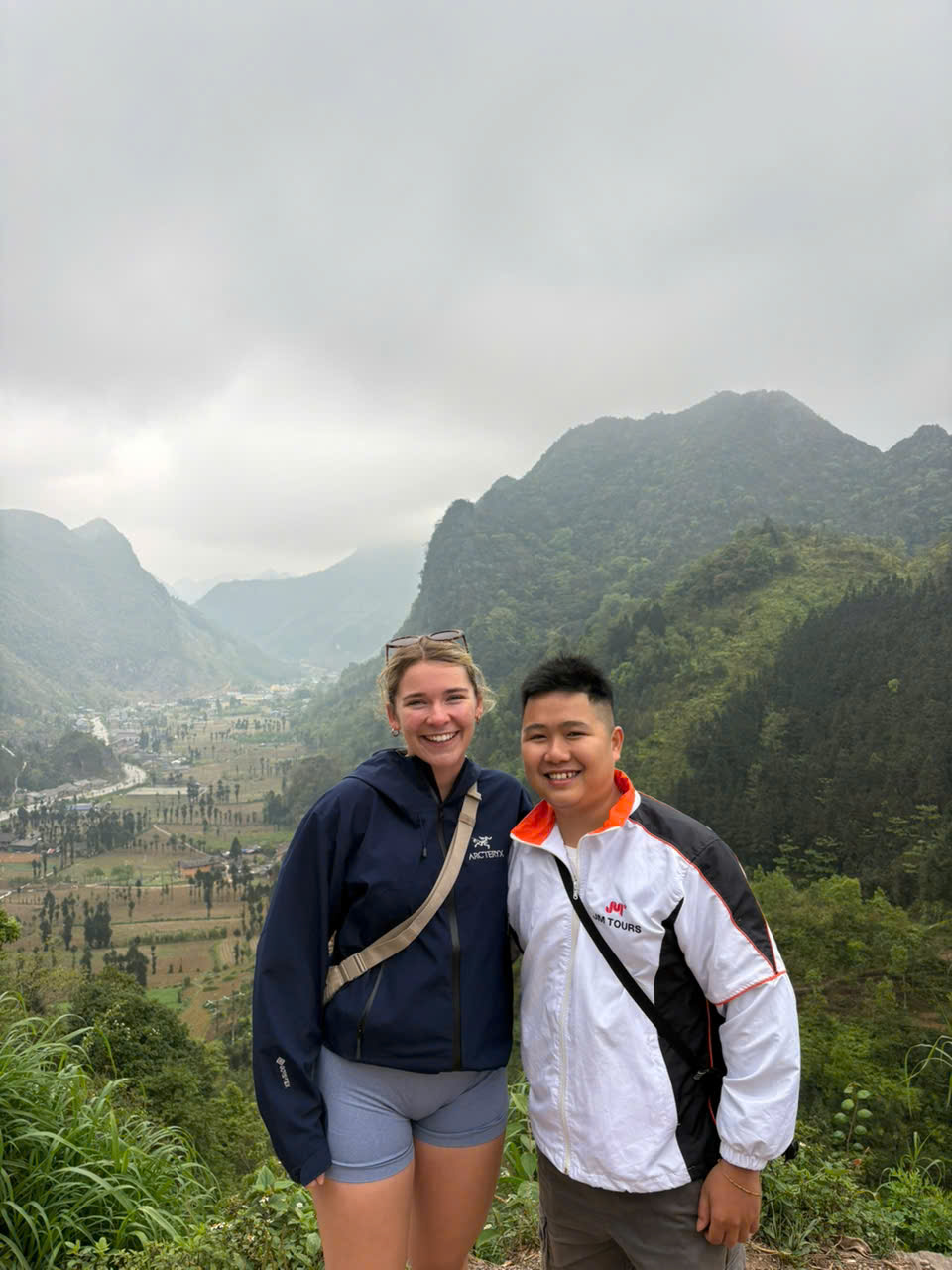
Winter brings a completely different atmosphere to the Ha Giang Loop.
Temperatures can drop significantly, particularly in higher elevations such as Dong Van, Meo Vac, and Lung Cu.
Typical temperatures range from:
During cold fronts, temperatures may occasionally fall even lower.
Winter visitors should expect:
Although it is too cold for some travelers, others enjoy the peaceful atmosphere and unique winter landscapes.

Choosing the best time to visit the Ha Giang Loop depends largely on the type of experience you're looking for. The good news is that the loop can be enjoyed throughout the year, with each season offering its own unique landscapes and atmosphere.
For most travelers, March to April and September to October are considered the ideal months. During these periods, the weather is generally mild, rainfall is lower, and visibility is often excellent, making it perfect for sightseeing, photography, and comfortable riding conditions.
If your goal is to see the mountains at their greenest, May to August can be a fantastic choice. Frequent rainfall transforms the valleys and hillsides vibrant shades of green, while waterfalls and rivers are at their most impressive. Although occasional rain showers are common, many travelers find the scenery during this season well worth it.
Meanwhile, September is especially popular for its golden rice terraces. As the harvest season arrives, many parts of Ha Giang become covered in beautiful yellow fields, creating some of the most iconic views in Northern Vietnam.
For those who prefer fewer crowds and a quieter atmosphere, November to February can be a rewarding time to visit. While temperatures are cooler and fog is more common, the mountains take on a peaceful and dramatic character that many experienced travelers love.
Ultimately, there is no wrong time to visit the Ha Giang Loop. Each season offers something different, and understanding the weather conditions can help you choose the period that best matches your interests and travel style.

The Ha Giang weather can have a direct impact on road conditions.
Heavy rain may cause:
Fog can also be common in mountain areas, especially during winter and early mornings.
This is why riders should always:
Experienced local guides and Easy Riders are especially valuable when weather conditions become unpredictable.
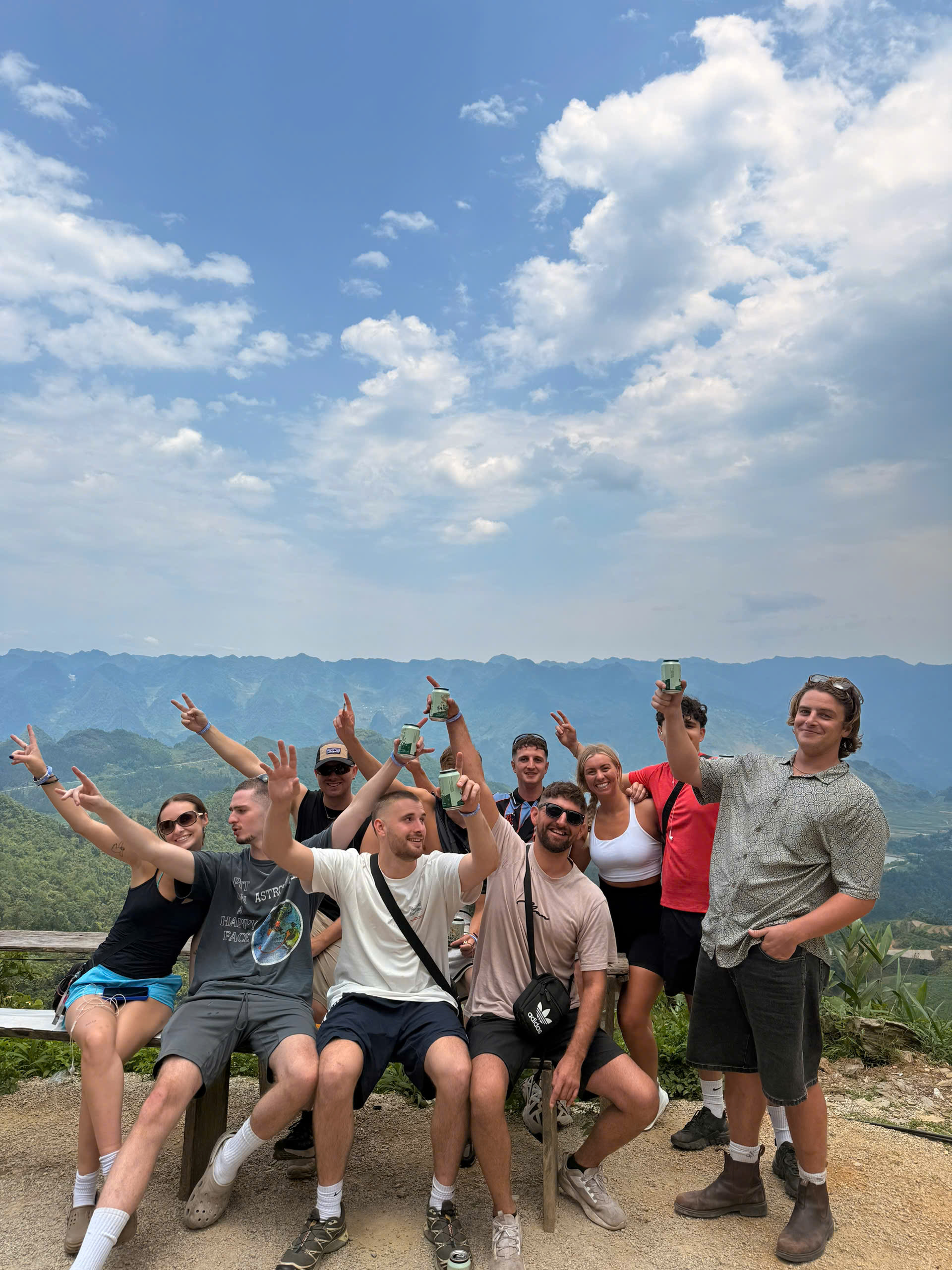
Packing for the Ha Giang Loop requires a bit more preparation than many travelers expect. Because the route passes through mountains, valleys, and high-altitude areas, weather conditions can change several times throughout a single day. You might start the morning in cool fog, ride through warm sunshine at midday, and encounter rain in the afternoon.
For this reason, layering is often the best approach. A lightweight waterproof jacket is essential year-round, while a warm fleece or sweater can be extremely useful during evenings, early mornings, and winter months. Even during summer, temperatures at higher elevations can feel surprisingly cool when combined with wind and rain.
In addition to clothing, travelers should bring:
If you're visiting during the rainy season, keeping important items dry becomes especially important. Waterproof bags or dry sacks can help protect valuables unexpected downpours.
Being prepared for changing weather conditions will not only make your journey more comfortable but also allow you to enjoy the spectacular scenery of the Ha Giang Loop without worrying about the elements.
Not at all.
In fact, many travelers find that changing weather adds to the adventure.
Fog rolling through mountain passes can create dramatic scenery, while light rain often brings out the rich green colors of the landscape.
The key is adjusting expectations and being prepared for the conditions you may encounter.
Some of the most memorable moments on the Ha Giang Loop happen when nature surprises you.
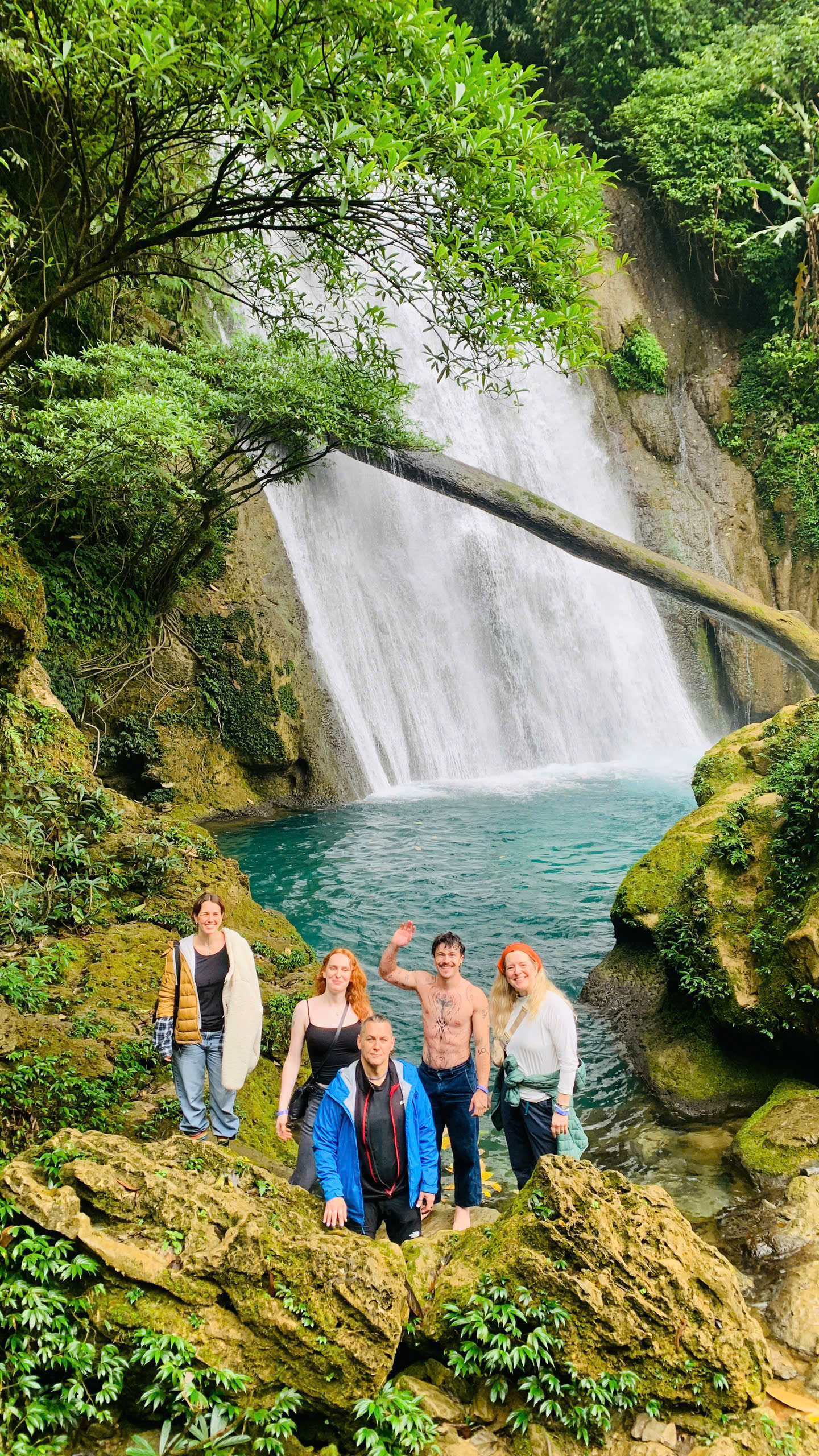
The Ha Giang Loop is one of the most rewarding travel experiences in Vietnam, but weather plays a major role in shaping the journey.
By understanding seasonal conditions, you can:
A little planning can make a big difference in your overall experience.

The Ha Giang Loop weather changes dramatically throughout the year, offering a different experience every season. Whether you're chasing golden rice terraces in autumn, lush green valleys in summer, colorful flowers in spring, or misty mountain landscapes in winter, Ha Giang always has something special to offer.
With proper preparation and local guidance Jasmine Tours, you can enjoy the Ha Giang Loop safely and comfortably regardless of the season.
There is 0 comment, review about Ha Giang Loop Weather: A Complete Guide for Every Season
TVQuản trị viênQuản trị viên
Xin chào quý khách. Quý khách hãy để lại bình luận, chúng tôi sẽ phản hồi sớm