
Shopping cart,
0 products
There are no products in your shopping cart.
Nội dung bài viết
Cao Bang Weather is characterized by four clear seasons: spring, summer, autumn, and winter. Temperatures are generally cooler than lowland Vietnam due to elevation and mountainous terrain. Average temperatures range 10°C in winter to 28°C in summer, creating a climate that feels fresh and comfortable for most travelers.
Rainfall is seasonal, with wetter months in summer and drier conditions in autumn and winter. Fog and mist are common in higher areas, adding a dramatic and cinematic feel to mountain landscapes.
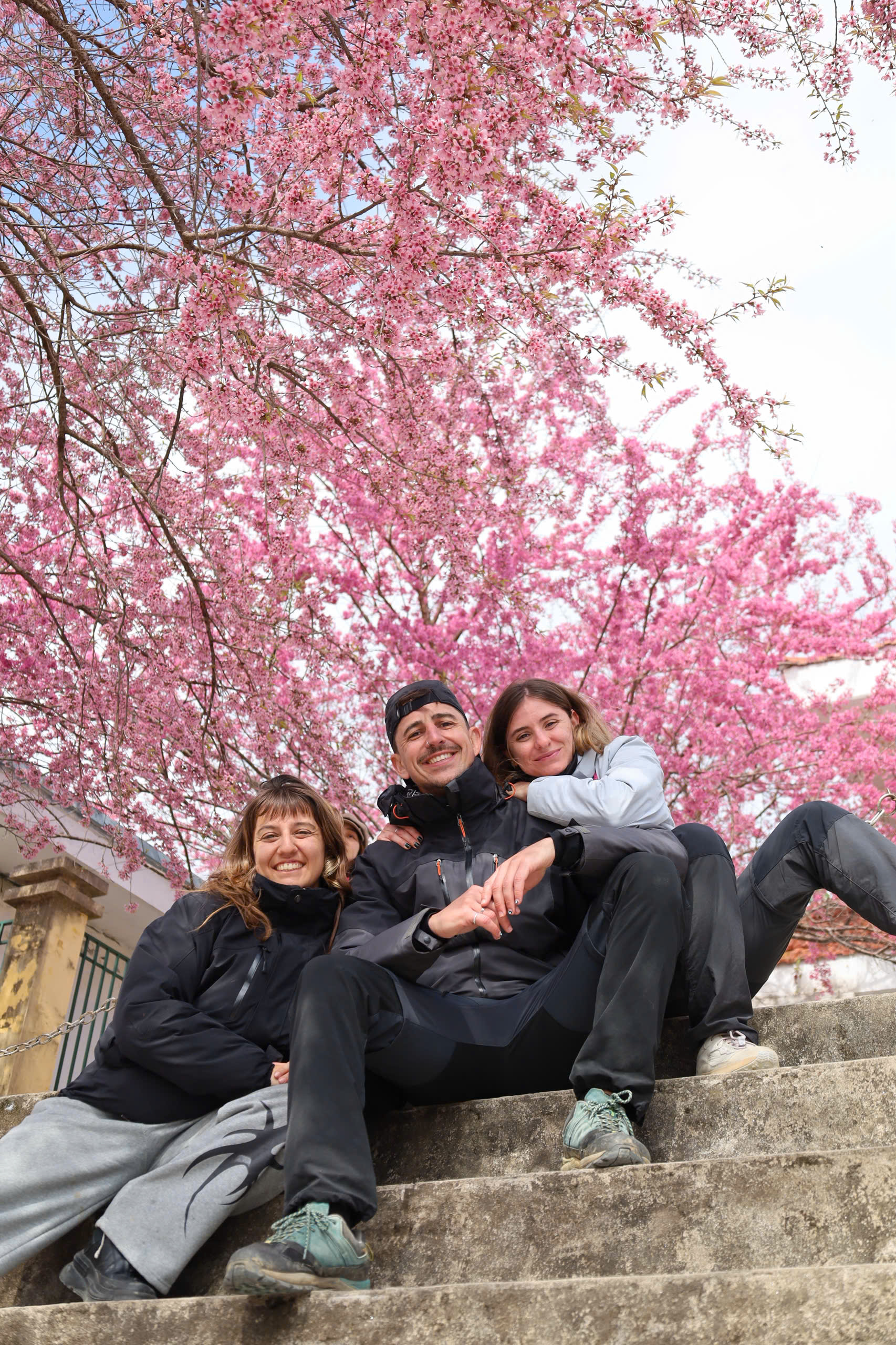
Spring brings renewal to Cao Bang. Temperatures range 18°C to 25°C, and the landscape turns lush and green. Rivers flow clearly, valleys brighten, and villages become lively with agricultural activity.
This season is ideal for sightseeing, photography, and cultural exploration. Road conditions are generally stable, and crowds remain low. Spring is especially suitable for travelers who prefer mild temperatures and fresh scenery without heavy rainfall.
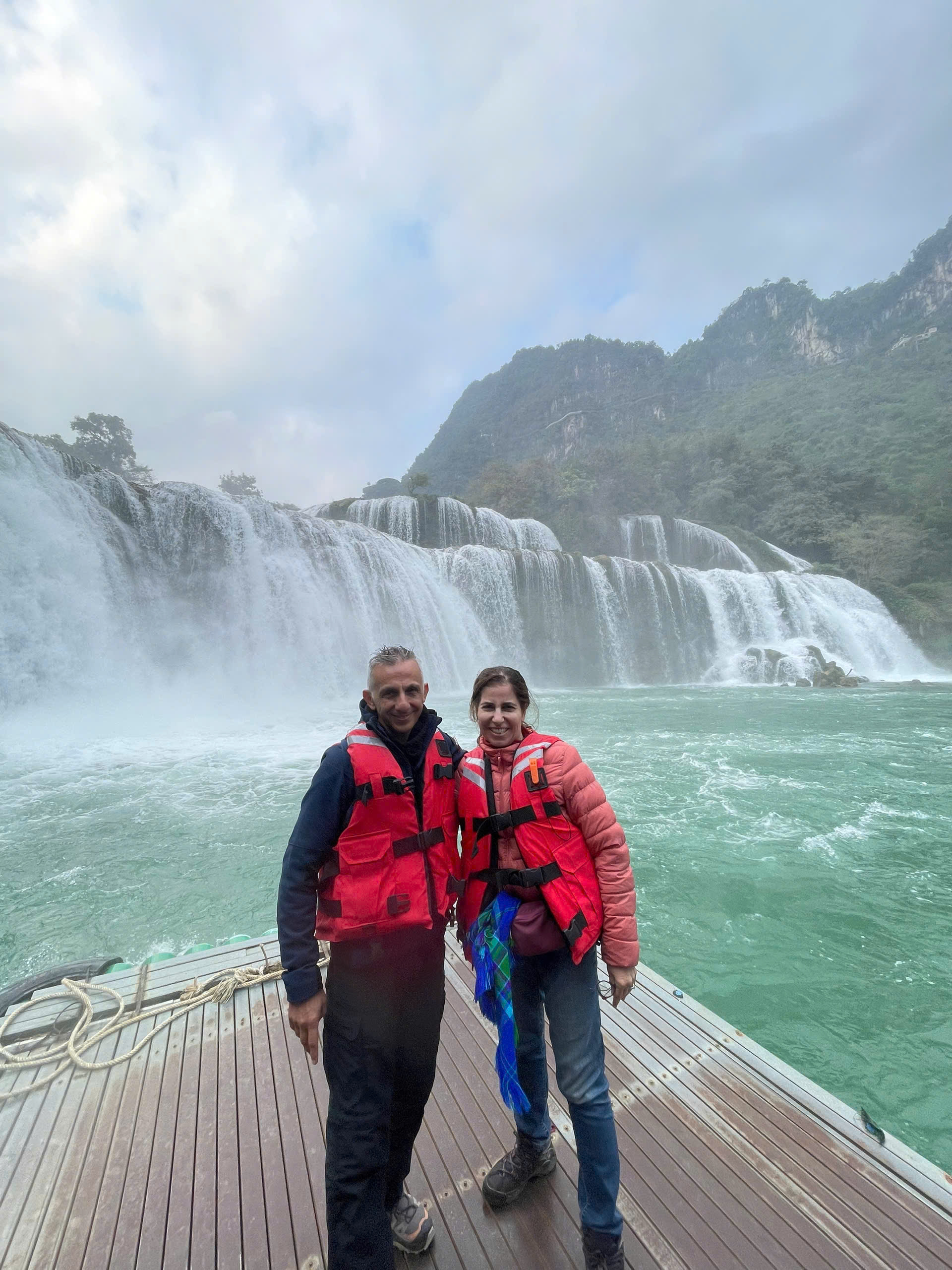
Summer is the warmest and wettest period in Cao Bang, with temperatures reaching 26–28°C. Rainfall increases, especially in July and August, which strengthens waterfalls such as Ban Gioc and fills rivers to their most dramatic levels.
While rain can affect road conditions in remote areas, summer rewards travelers with vibrant greenery and powerful natural scenery. This season suits travelers who enjoy lush landscapes and do not mind occasional rain.
.jpg)
Autumn is widely considered the best season for Cao Bang. Temperatures cool to 15–24°C, rainfall decreases, and visibility improves. Rice fields turn golden, valleys appear open and clear, and roads are at their safest.
This season is ideal for outdoor travel, photography, and long scenic drives. Many travelers choose autumn for Cao Bang Loop journeys due to stable weather and breathtaking landscapes.
Winter brings the coldest Cao Bang, with temperatures sometimes dropping below 10°C, especially at night. Mist and fog are common, creating a quiet and atmospheric environment across mountains and valleys.
Although it is colder, winter offers peaceful travel conditions with very few visitors. This season appeals to travelers who enjoy solitude, dramatic scenery, and reflective journeys rather than outdoor activities.

The best time to visit depends on travel style:
September to November: Best overall weather and scenery
March to May: Mild climate and fresh landscapes
June to August: Lush nature and strong waterfalls
December to February: Quiet, misty, and atmospheric
Understanding Cao Bang helps travelers choose the right season for comfort, photography, and road safety.
Unlike busy destinations, Cao Bang plays a central role in shaping each journey. Weather affects light, color, sound, and even the pace of travel. Clear autumn skies invite exploration, while misty winter mornings encourage stillness and reflection.
In Cao Bằng, weather is not an obstacle—it is part of the experience.
Before diving deeper into this Cao Bang guide, watch the Hà Giang Loop video below to see how Northern Vietnam’s changing seasons shape the mountain landscapes.
There is 0 comment, review about Cao Bang Weather A Complete Guide to Seasons in Northern Vietnam
TVQuản trị viênQuản trị viên
Xin chào quý khách. Quý khách hãy để lại bình luận, chúng tôi sẽ phản hồi sớm