
Shopping cart,
0 products
There are no products in your shopping cart.
Nội dung bài viết
Cao Bang Province lies in northeastern Vietnam, approximately 280 kilometers north of Hanoi. The province shares a long border with China and is surrounded by rugged mountains and forested valleys. Its geography has helped preserve both natural landscapes and traditional lifestyles, making it one of the least commercialized regions in the country.
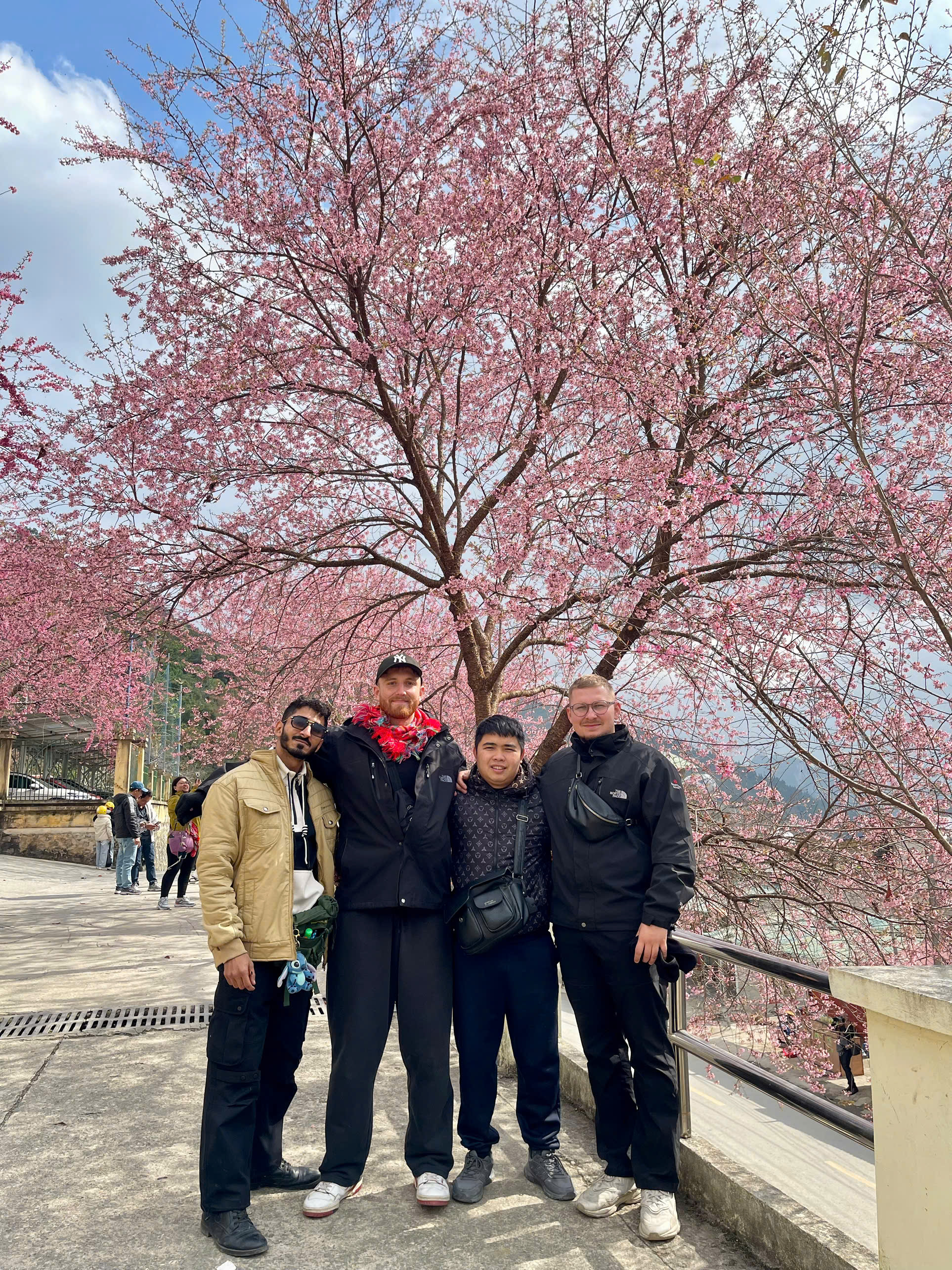
Travelers who visit Cao Bang are often looking for something different Vietnam’s more popular destinations. Instead of crowds and fast itineraries, Cao Bằng offers space, silence, and depth.
Key reasons to visit include:
Untouched limestone karst landscapes
Quiet mountain roads with minimal traffic
Authentic ethnic villages
Iconic natural landmarks
A calm, reflective travel atmosphere
Cao Bằng is not a destination that demands attention. It earns it gently.
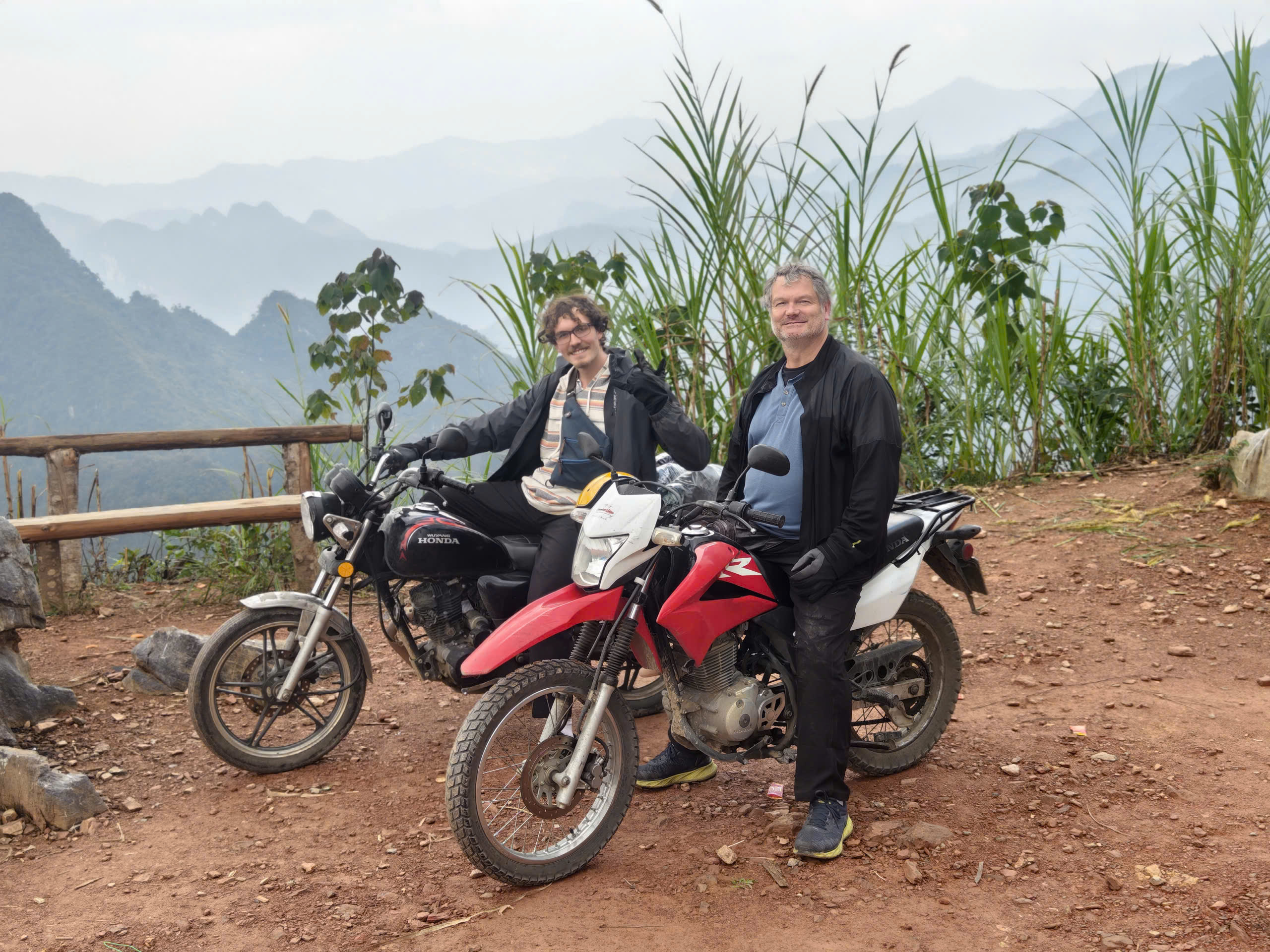
One of the most famous landmarks in Cao Bang Ban Gioc Waterfall is among the largest waterfalls in Southeast Asia. Its wide cascades and turquoise water flow powerfully through a dramatic limestone setting, creating a scene that feels both majestic and peaceful.
Located near Ban Gioc, Nguom Ngao Cave is a vast limestone cave system filled with towering stalactites and spacious chambers shaped over millions of years.
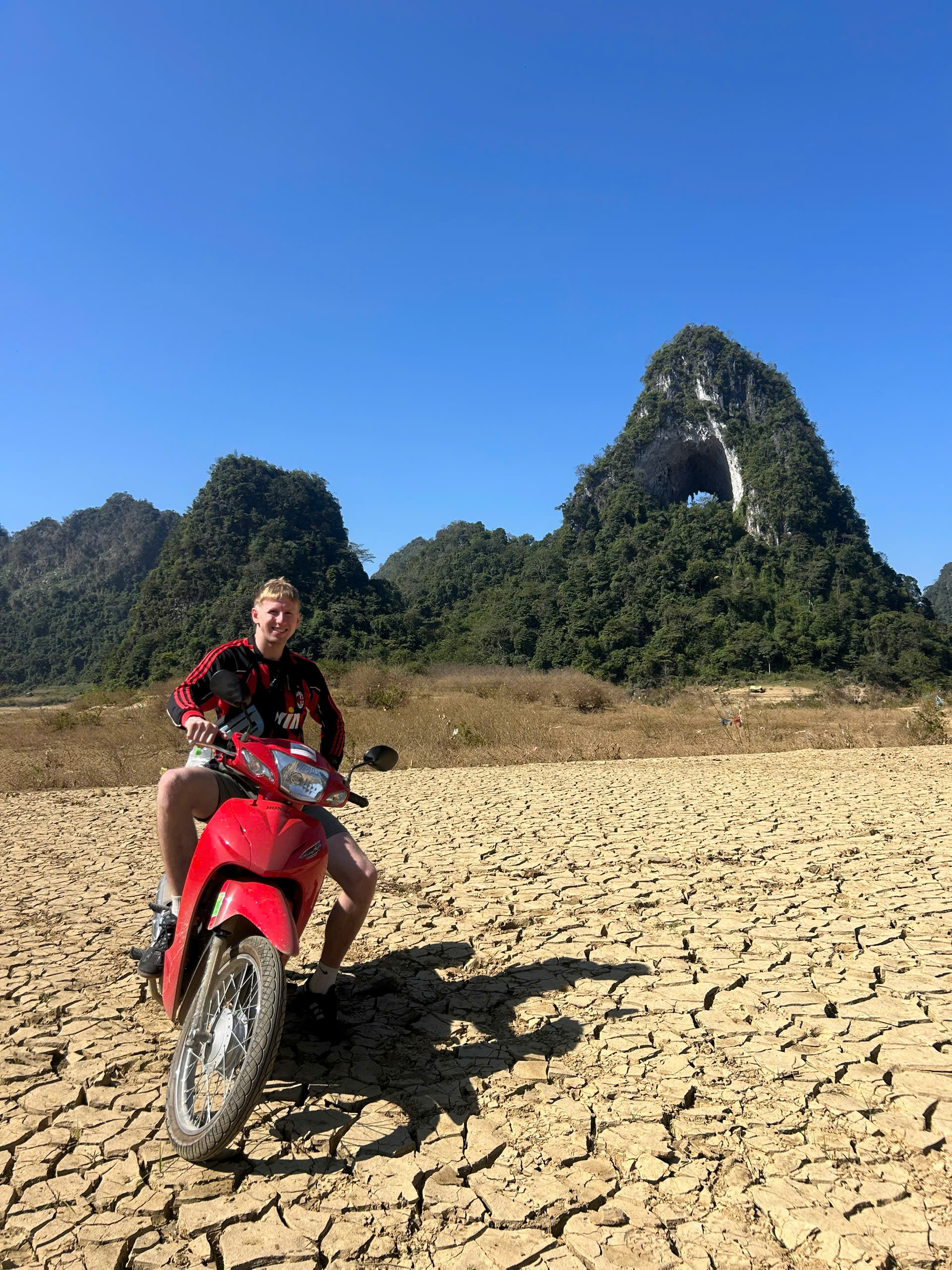
This unique limestone formation features a natural circular opening, making it one of the most photogenic and symbolic landscapes in Cao Bang Province.
A scenic mountain pass with sweeping valley views and gentle curves, Ma Phuc Pass offers one of the most enjoyable drives in Northern Vietnam.
Cao Bang is home to diverse ethnic communities, including the Tay, Nùng, and H’Mong people. Life here remains closely tied to agriculture, family, and seasonal rhythms.
Travelers often stay in family-run homestays, where meals are prepared local ingredients and shared around simple wooden tables. Daily life unfolds quietly—farming, weaving, market visits—without performance or pressure. These moments provide genuine cultural insight rather than staged experiences.
There are several ways to explore Cao Bang, depending on comfort and travel style:
Motorbike travel for adventurous riders
Easy Rider tours with local drivers
Jeep tours for open-air scenic comfort
SUV tours for families and small groups
Each option allows travelers to experience the province at a relaxed pace, focusing on scenery and connection rather than speed.
The best time to visit Cao Bang is September to April.
During this period:
Weather is cool and dry
Roads are safer
Visibility is clear for photography
Waterfalls are at their most impressive
Autumn brings golden rice fields, winter adds misty mountain atmosphere, and spring refreshes the landscape with vibrant green tones.
Cao Bang is ideal for:
Nature lovers
Photographers
Couples seeking quiet travel
Travelers avoiding mass tourism
Visitors interested in culture and history
It may not suit travelers looking for nightlife or luxury shopping, but it deeply rewards those who value authenticity.
Many travelers describe Cao Bang as a place that slows time. With fewer distractions and open landscapes, visitors often feel more present and reflective. The silence of valleys, the kindness of local people, and the scale of nature combine to create a deeply restorative experience.
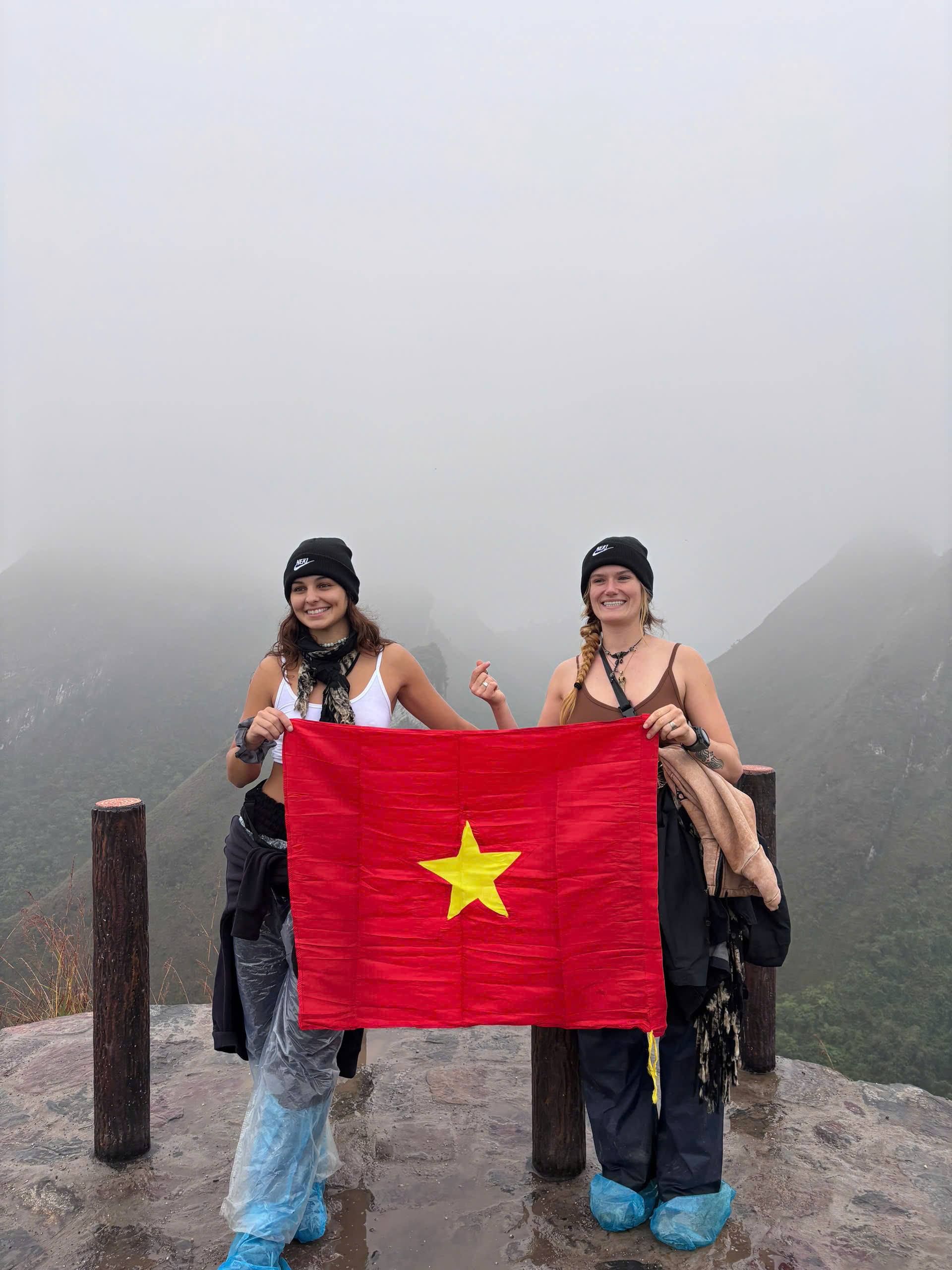
Cao Bang is not about checking destinations off a list. It is about presence, patience, and perspective. For travelers willing to slow down and truly see Northern Vietnam, Cao Bang offers one of the country’s most meaningful journeys.
Sometimes, the quietest places leave the strongest memories.
Before continuing to explore Cao Bang Province, watch this Ha Giang Loop video to experience the dramatic mountain landscapes that shape Northern Vietnam.
There is 0 comment, review about Cao Bang Province Discover Vietnam’s Most Peaceful Northern Frontier
TVQuản trị viênQuản trị viên
Xin chào quý khách. Quý khách hãy để lại bình luận, chúng tôi sẽ phản hồi sớm