
Shopping cart,
0 products
There are no products in your shopping cart.
Nội dung bài viết
Introduction
Located on the northeastern edge of Vietnam, Ban Gioc waterfall border China is one of the most unique natural landmarks in Southeast Asia. Unlike most waterfalls that belong to a single country, Ban Gioc is shared by Vietnam and China, forming a spectacular natural boundary between the two nations.
On the Vietnamese side, it is known as Ban Gioc Waterfall (Cao Bằng). On the Chinese side, it is called Detian Waterfall. Together, they create a powerful symbol of nature’s grandeur beyond political borders.
Ban Gioc Waterfall lies on the Quây Sơn River, which flows directly along the Vietnam–China border.
Vietnam side: Trùng Khánh District, Cao Bằng Province
China side: Daxin County, Guangxi Province
The river itself acts as the natural border, making Ban Gioc one of the largest border waterfalls in the world.
A Rare Transnational Waterfall
Ban Gioc is one of the very few major waterfalls globally that sits exactly on an international border, alongside Iguazu Falls (Brazil–Argentina).
Massive Scale and Beauty
Width: nearly 300 meters during rainy season
Height: about 30 meters
Multi-tiered cascades flowing over limestone cliffs
The sight of water rushing between two countries creates an unforgettable visual experience.
Changing Moods by Season
Rainy season (June–September): powerful, dramatic flows
Dry season (October–April): clear turquoise water, calmer beauty
While both sides share the same waterfall, the experiences differ:
Vietnam side (Ban Gioc):
Closer access to the base of the falls
Bamboo raft rides on the river
Peaceful rural scenery and ethnic villages
China side (Detian):
Elevated viewpoints and wide platforms
More developed tourism infrastructure
Many travelers believe the Vietnamese side offers a more natural and intimate experience.
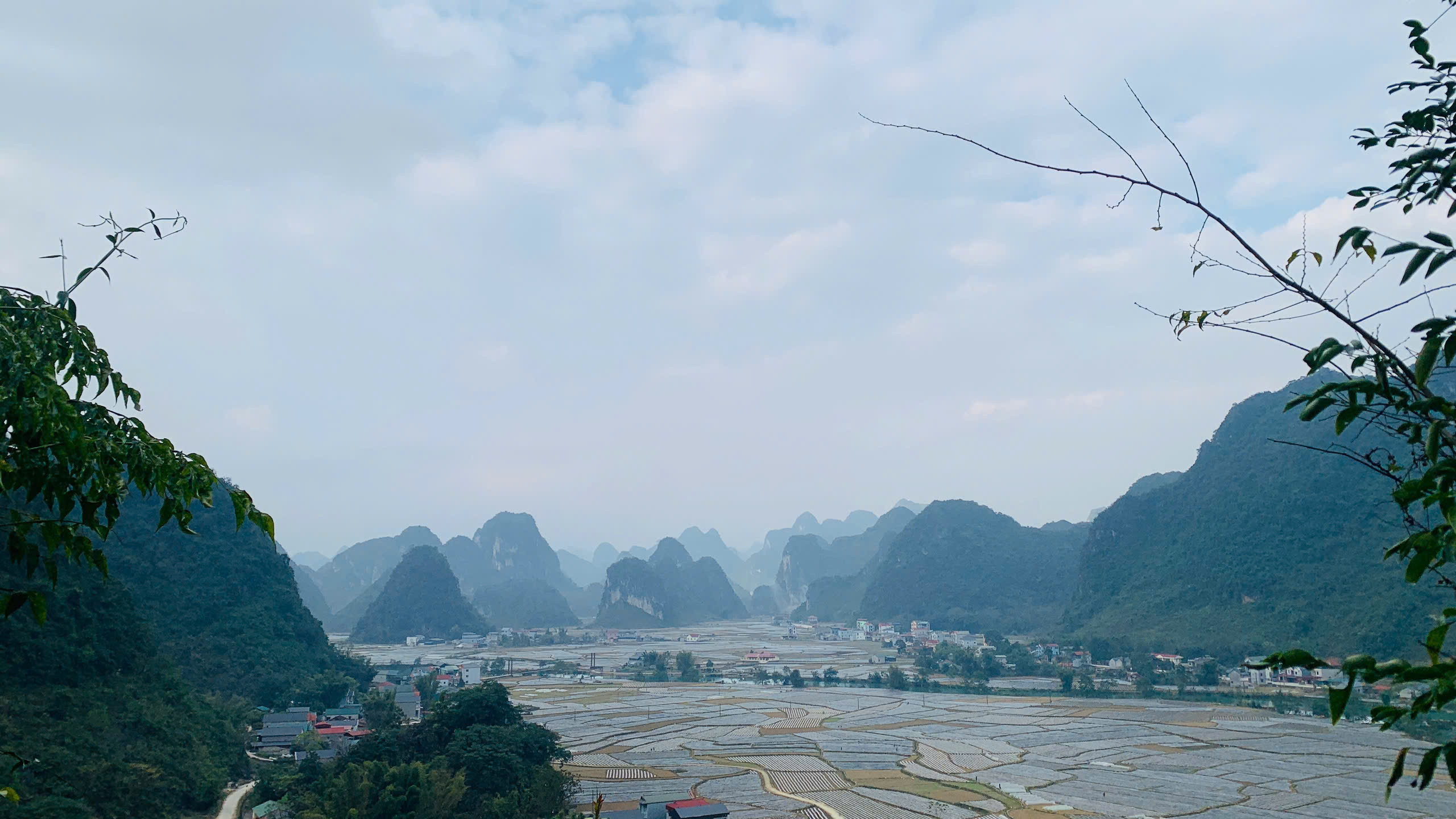
Although the waterfall sits on the border, crossing between Vietnam and China is not allowed without proper visas and border permits.
However, visitors can:
View the opposite country the riverbank
Take photos where the border line runs through the water
Enjoy the rare feeling of standing at a natural international boundary
September – October: best balance of water flow and clear weather
March – May: pleasant temperatures, lush green scenery
Summer: dramatic water volume but higher humidity
Early morning visits offer softer light and fewer crowds.
Cao Bằng City, Ban Gioc Waterfall is about 85 km away. Travelers can reach it by:
Motorbike
Private car
Jeep or SUV tour
Many visitors combine Ban Gioc with nearby attractions such as Nguom Ngao Cave and the Non Nuoc Cao Bang Geopark.
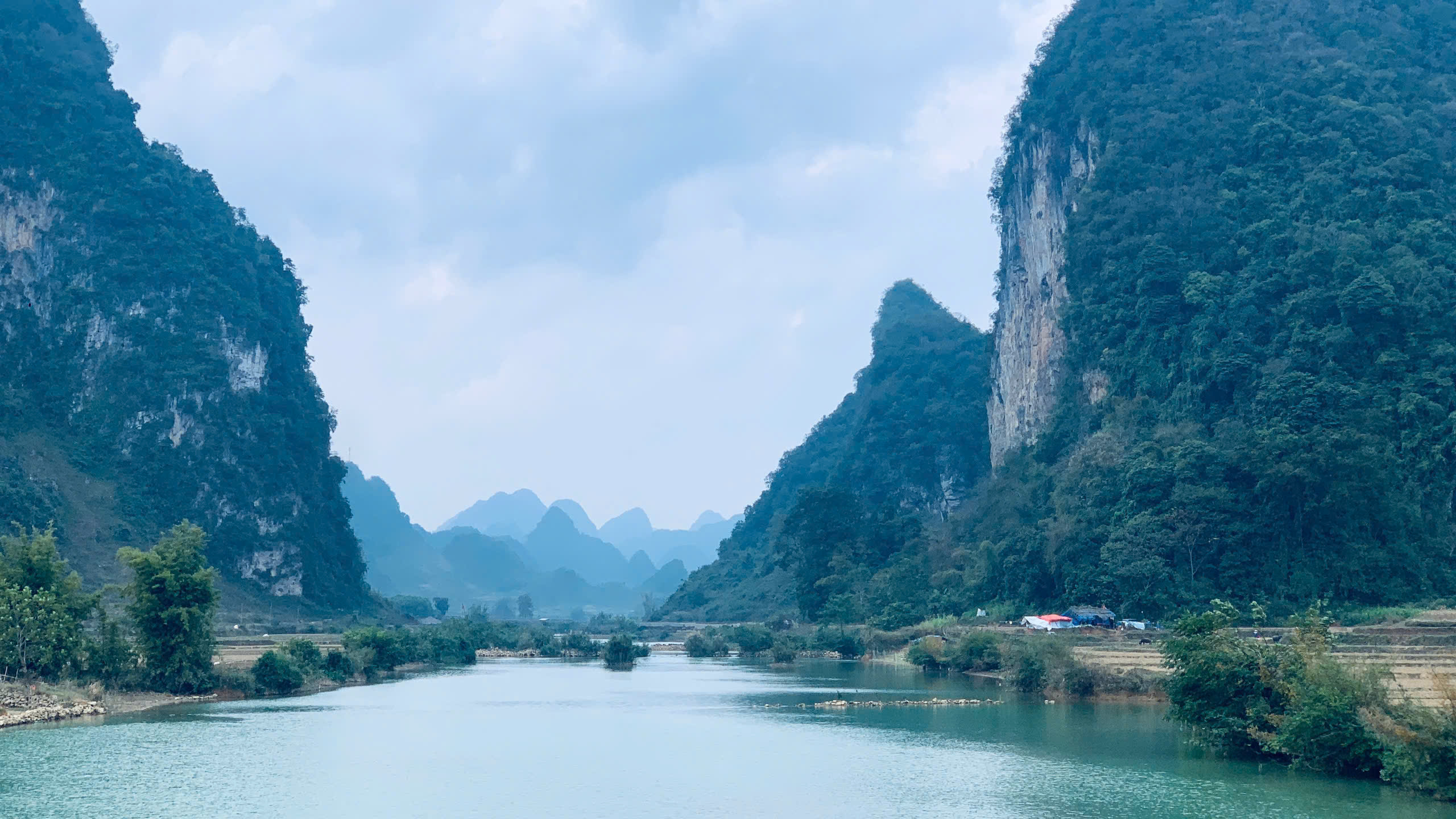
The area surrounding Ban Gioc Waterfall is home to Tày and Nùng ethnic communities. Traditional stilt houses, rice fields, and slow village life contrast beautifully with the powerful waterfall nearby.
Local markets, home-cooked meals, and warm hospitality make the journey even more meaningful.
Ban Gioc waterfall border China is more than a scenic attraction—it is a rare meeting point of nature, geography, and culture. Standing before the cascading water that divides and connects two nations at once, travelers experience a sense of scale far beyond ordinary sightseeing.
For those exploring northern Vietnam, Ban Gioc is not just a highlight of Cao Bằng—it is one of the most extraordinary border landscapes in Asia.
There is 0 comment, review about Ban Gioc Waterfall Border China – A Natural Wonder Shared Two Nations
TVQuản trị viênQuản trị viên
Xin chào quý khách. Quý khách hãy để lại bình luận, chúng tôi sẽ phản hồi sớm