
Shopping cart,
0 products
There are no products in your shopping cart.
Nội dung bài viết
Many people search accident ha giang loop after seeing dramatic videos, news stories, or warnings other travelers. That search is not fear. It is caution asking for a clear answer.
Ha Giang is not dangerous because it is ugly or chaotic. It becomes risky when travelers treat mountain roads like a game. The route is powerful, like a river after heavy rain. It can carry you wonder, but only if you respect its force.
A responsible guide should not hide the risks. It should explain them clearly, without panic and without exaggeration. The goal is not to stop travelers visiting Ha Giang. The goal is to help them arrive prepared, ride wisely, and return safely.
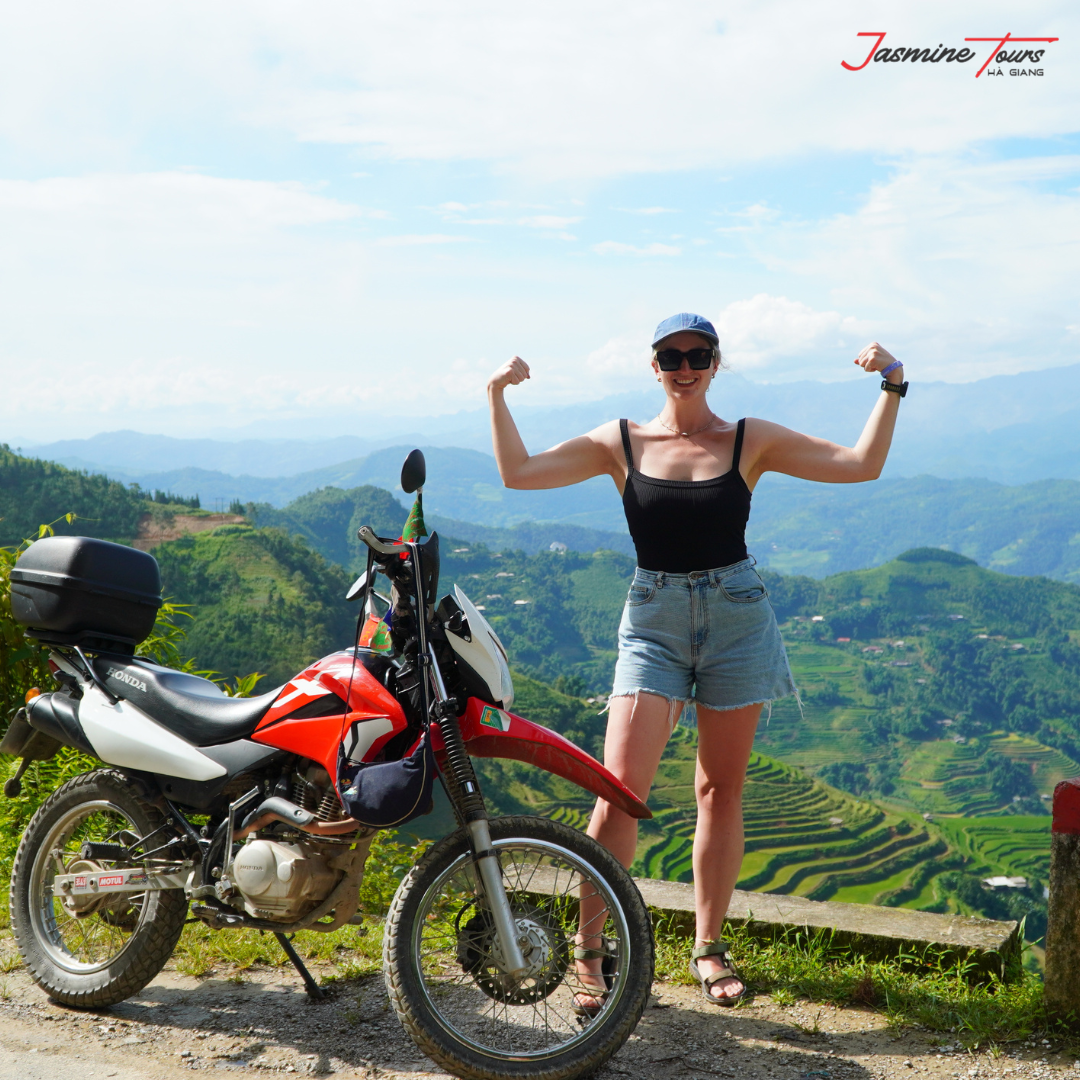
An accident on the Loop can come many small decisions, not only one big mistake. Speed, fatigue, poor weather, weak riding skills, alcohol, overconfidence, loose gravel, blind corners, or sudden traffic can combine quickly.
Mountain roads often change dry to wet within minutes. A beautiful curve can hide a truck, animal, construction area, or slippery surface. Long riding days can also reduce attention. When the body is tired, the mind reacts more slowly.
That is why safety is not just about being brave. It is about being humble. The road does not care how confident a rider feels. It responds to preparation, patience, and judgment.
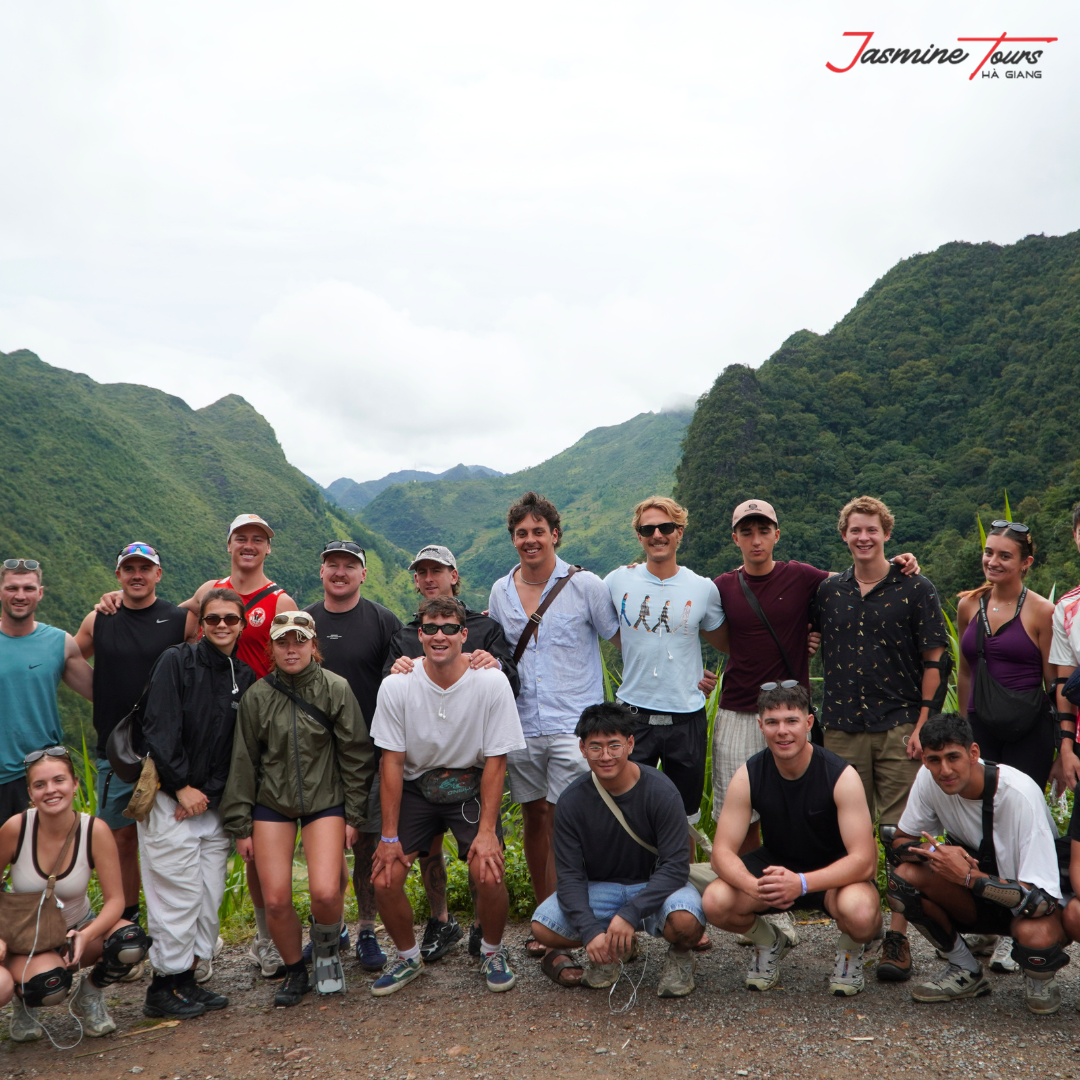
The phrase accident ha giang loop can sound frightening, but fear alone does not make anyone safer. What matters is understanding the difference between danger and unmanaged risk.
Danger exists on any mountain route. Unmanaged risk happens when people ignore helmets, ride too fast, choose poor equipment, skip insurance, drink before riding, or drive without enough experience.
Managed risk looks different. It means choosing a good operator, listening to local guides, wearing proper gear, checking the weather, and choosing an Easy Rider when self-riding is not suitable.
Ha Giang rewards respect. When travelers slow down and make realistic choices, the journey becomes less like a gamble and more like a conversation with the mountains.

Before starting the Loop, travelers should prepare carefully. Bring warm layers, rain protection, sunscreen, personal medicine, comfortable shoes, and only essential luggage. Heavy bags make the ride harder and less comfortable.
Travelers should sleep well before departure, eat properly, and stay hydrated. They should tell the tour team about motion sickness, anxiety, injuries, allergies, or health conditions that may affect the trip.
Self-riders should check license rules, motorbike category, insurance coverage, and emergency procedures before departure. This article is general travel information only. It is not legal, medical, or insurance advice.
A good journey begins before the engine starts. Safety is planted early, like a seed before the rain.
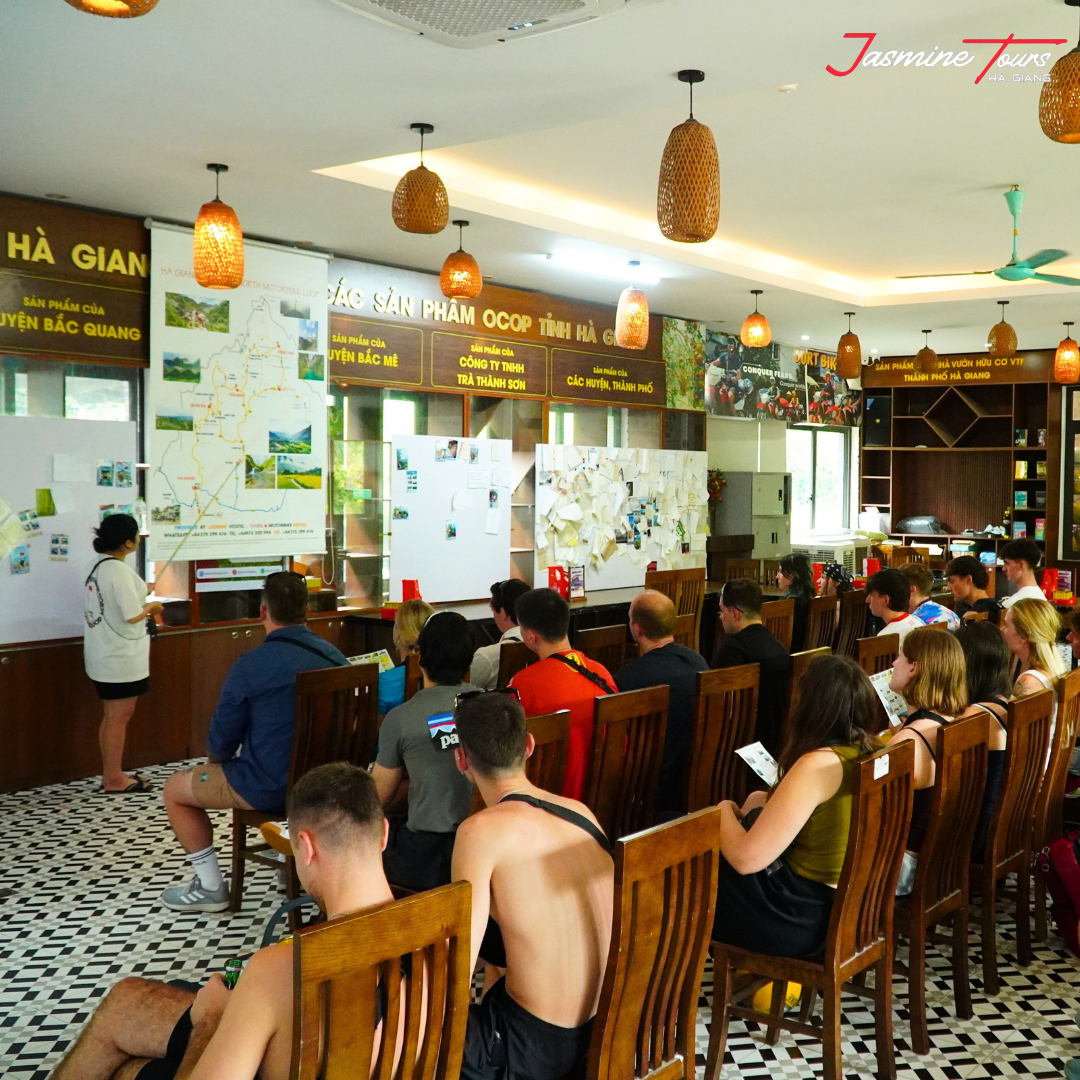
For many first-time visitors, choosing an Easy Rider is one of the safest ways to experience Ha Giang. A local rider understands the road, weather, traffic rhythm, difficult corners, and safe places to stop.
Guests can enjoy the scenery without controlling the motorbike. They can focus on the mountains, local villages, and cultural moments instead of worrying about navigation or sudden road changes.
This does not mean passengers have no responsibility. They should wear helmets correctly, sit properly, avoid sudden movements, follow the rider’s guidance, and speak up if they feel uncomfortable.
A good Easy Rider is more than a driver. He is a steady hand on a road where confidence alone is never enough.
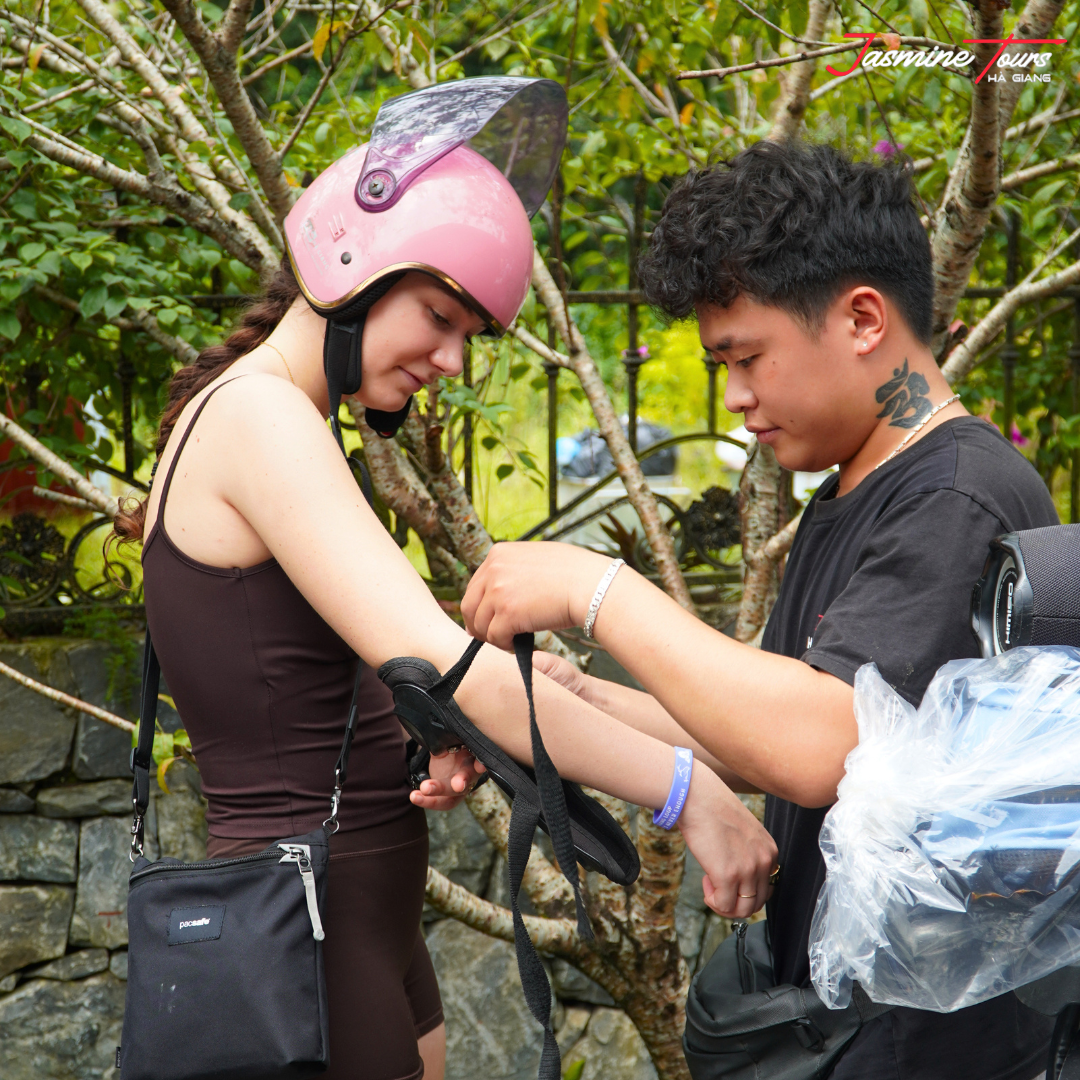
Self-riding can be rewarding for experienced riders, but it is not the right choice for everyone. It becomes a bad idea when travelers lack motorbike experience, do not understand mountain roads, have no proper license, or rely only on confidence.
A scooter ride in a city does not prepare someone for steep passes, hairpin bends, fog, rain, or heavy mountain traffic. The Loop demands control, balance, patience, and quick judgment.
Travelers should also think about insurance. If an accident happens and documents are invalid, support may become complicated. The mountains are not the place to discover a policy exclusion.
A wise traveler does not ask, “Can I try?” They ask, “Am I truly ready?”
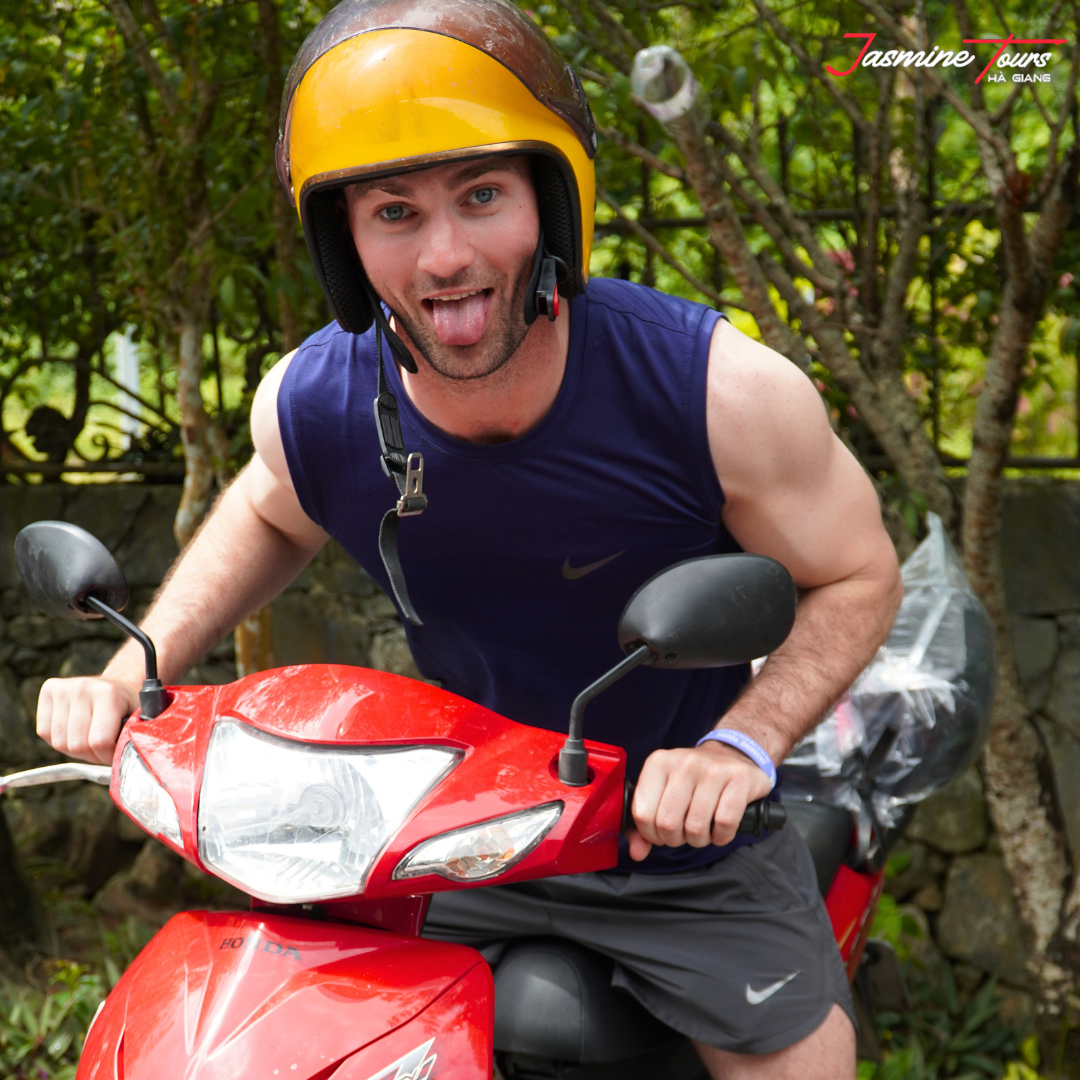
If a near miss happens, stop safely when possible. Do not continue immediately just to keep up with the group. Take a breath, check your body, check your passenger or rider, and tell the guide what happened.
If an accident occurs, safety comes first. Move away traffic only if it is safe. Call for local support, contact the tour operator, and seek medical help when needed. Do not ignore pain, dizziness, bleeding, or shock.
Travelers should keep emergency contacts, insurance details, passport information, and tour contact numbers accessible.
An accident is not a moment for shame or silence. It is a moment for calm action. On mountain roads, honesty can protect lives.
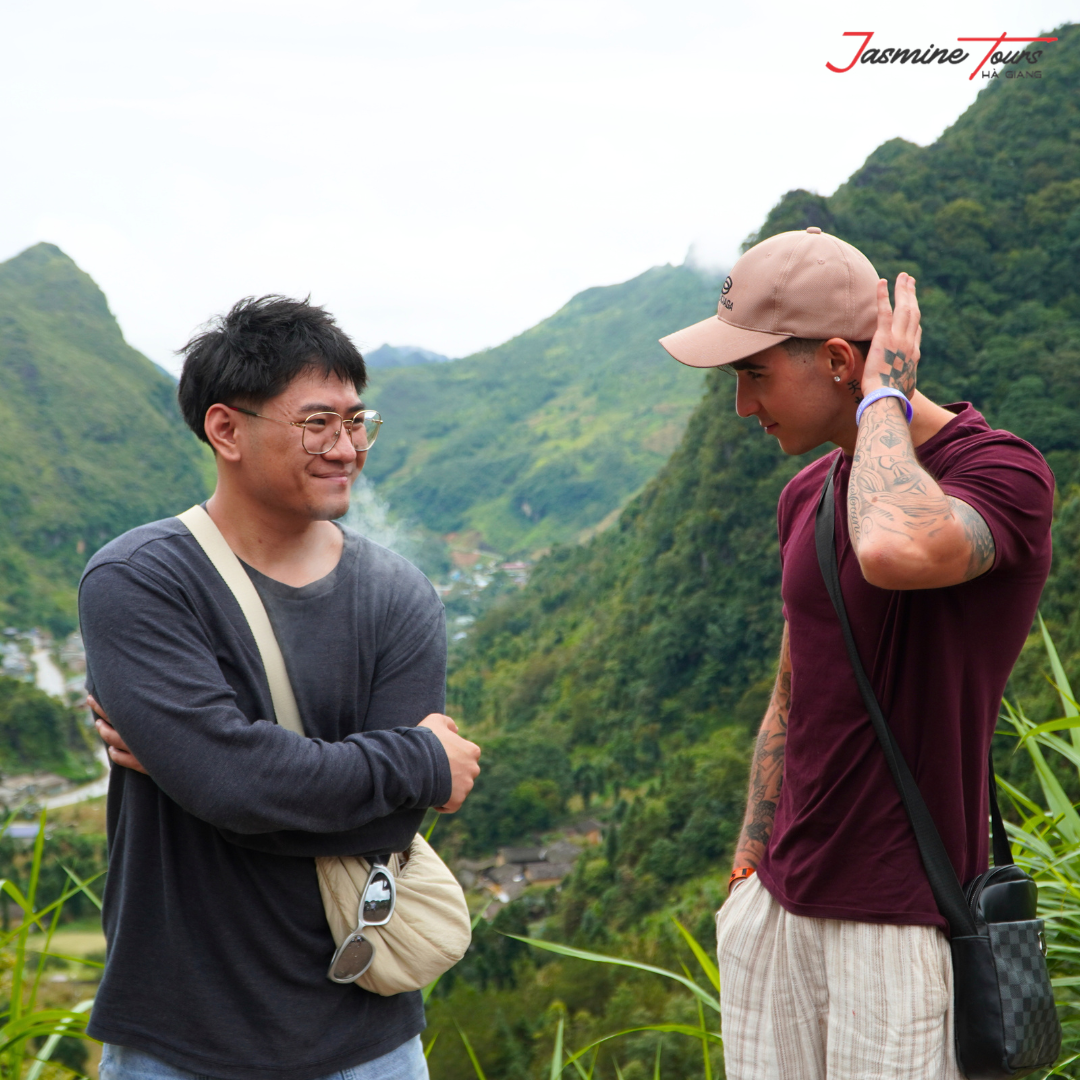
A safer operator should be clear about rules, equipment, rider experience, group size, alcohol policy, weather decisions, and emergency support. Travelers should ask direct questions before booking.
Be careful with tours that focus only on partying, speed, or the cheapest possible price. A low price can hide weak maintenance, poor planning, or overloaded groups.
A responsible company will not promise that the Loop has no risks. Instead, it will explain how risks are managed. That honesty matters.
Jasmine Tours focuses on local Easy Riders, practical safety guidance, planned routes, and guest support throughout the journey. In Ha Giang, trust is not built by big words. It is built by careful action, day after day.

Safety should protect travelers. Responsible tourism should also protect the destination. That is where The Green Road becomes part of the story.
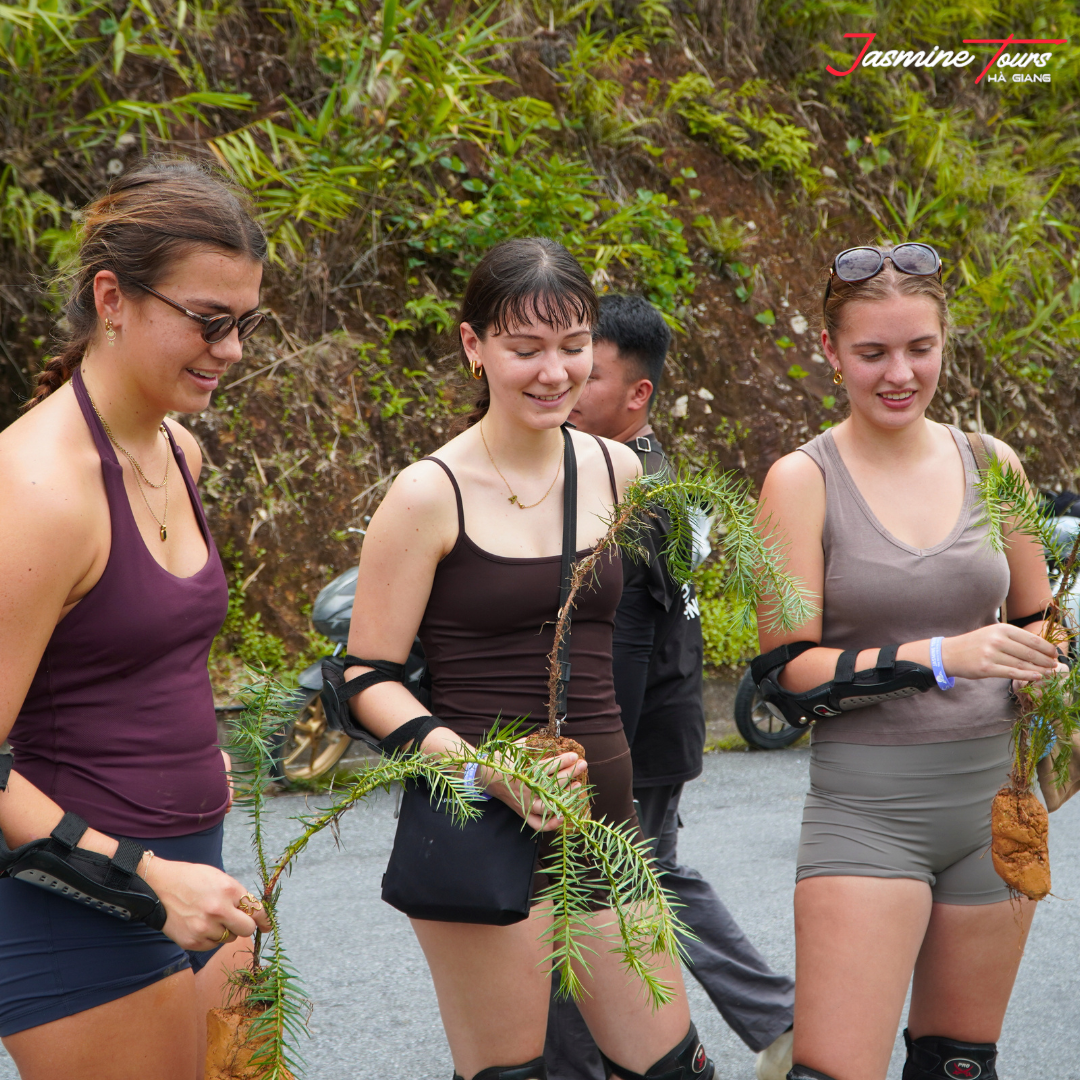
The Green Road is Jasmine Tours’ tree-planting project in Ha Giang. It reflects a simple belief: travel should not only take beauty the mountains; it should return something living to them.
A tree is a quiet kind of promise. It does not speak loudly, but it holds soil, gives shade, supports ecosystems, and grows long after travelers leave.
In a guide about accident ha giang loop, The Green Road reminds us that responsibility has many forms. Ride carefully. Respect local people. Protect the road. Plant for the future.\
The Ha Giang Loop should not be treated as a fear story. It should not be treated as a careless adventure either. It is a serious mountain journey wrapped in extraordinary beauty.
The search for accident-related information should lead travelers to preparation, not panic. Choose the right riding option. Wear proper gear. Avoid alcohol before riding. Listen to local guides. Check insurance and license conditions. Respect weather. Rest when tired.
With Jasmine Tours, the goal is not only to show the mountains. It is to help travelers move through them with care, awareness, and gratitude.
The road may be wild. The cliffs may be high. The weather may change. But when respect leads the way, Ha Giang can become more than a destination. It becomes a lesson in how to travel wisely.
In the end, the safest journey is not the one without challenge. It is the one where every challenge is met with patience. Ha Giang teaches travelers to slow down, look carefully, and listen to the road. Through The Green Road, it also teaches that care should continue after the ride. A responsible journey protects both the people who travel and the land that welcomes them.
Accidents can happen because the route includes mountain roads, sharp bends, weather changes, traffic, and inexperienced riders. Careful preparation and local support can reduce risk.
For beginners or travelers without strong motorbike skills, an Easy Rider is usually safer than self-riding because the local rider understands the road conditions.
No. Travelers should check current license rules, motorbike category requirements, and insurance coverage before self-riding.
The biggest mistake is underestimating the road. Riding too fast, ignoring weather, drinking before riding, or choosing poor equipment can increase accident risk.
The Green Road reflects responsible travel. Jasmine Tours believes guests should protect themselves through safe choices and protect Ha Giang through long-term environmental care.
There is 0 comment, review about Accident Ha Giang Loop: A Responsible Safety Guide Before You Ride
TVQuản trị viênQuản trị viên
Xin chào quý khách. Quý khách hãy để lại bình luận, chúng tôi sẽ phản hồi sớm